
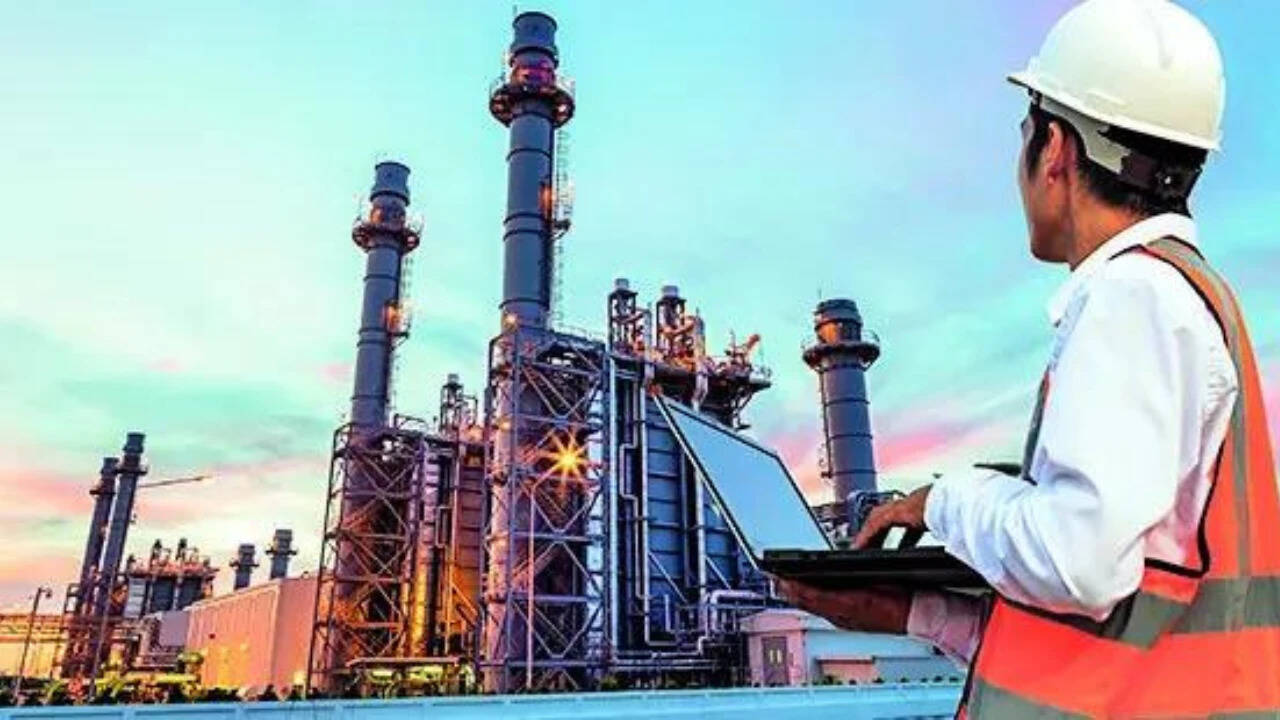
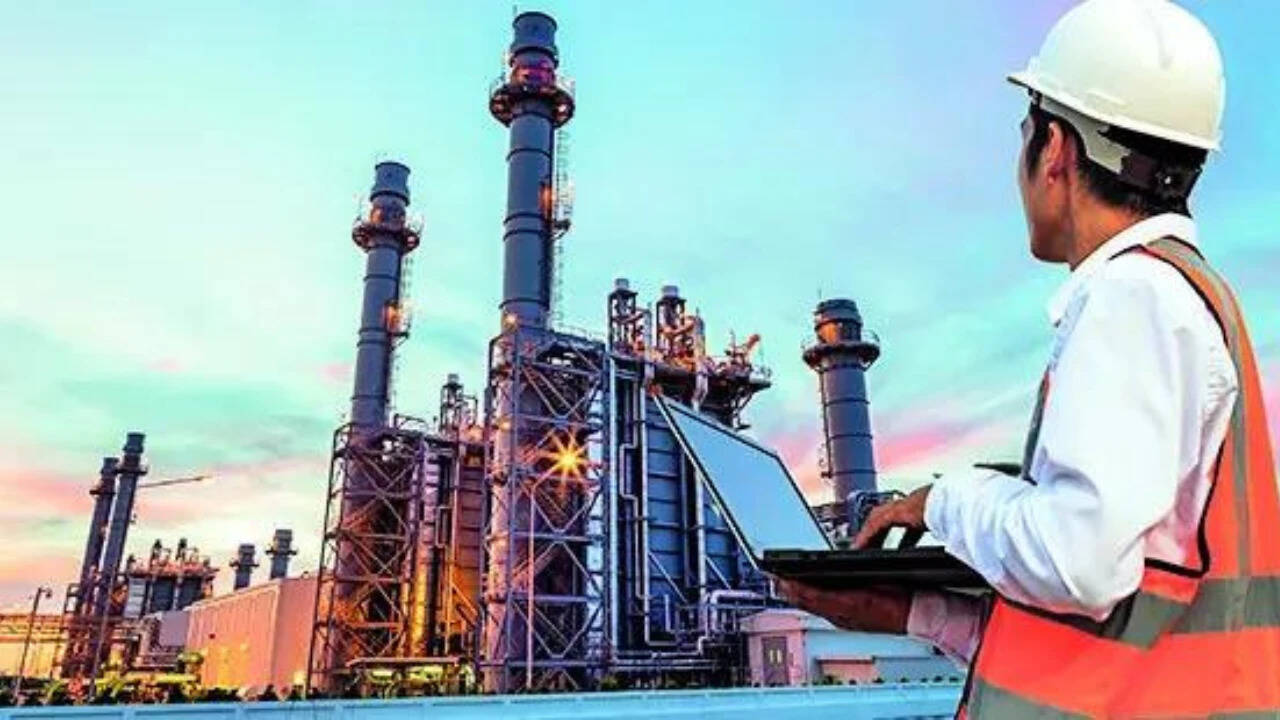
NEW DELHI: The govt has asked all entities across the oil and gas value chain to regularly furnish detailed operational information to the ministry’s Petroleum Planning and Analysis Cell (PPAC), with officials classifying the data as a matter of national security. With imports plummeting, the move signals the vulnerability of the sector, turning it into a strategic asset and highlighting the importance of energy in the overall economy.The data to be disclosed includes production, imports, stock levels and consumption patterns, with the order overriding existing confidentiality provisions. “The obligation to furnish information under this order shall apply notwithstanding anything contained in any contract, agreement, commercial arrangement or confidentiality obligation, and no entity shall refuse to furnish information required under this notification on the ground that such information is commercially sensitive or proprietary,” a gazette notification issued by the ministry of petroleum and natural gas on March 18 said.Every entity engaged in the production, processing, refining, storage, transportation, import, export, marketing, distribution or consumption of petroleum products or natural gas will be required to furnish the data to PPAC. “The data was being shared even earlier, but the notification will provide legal strength to the practice,” said Sujata Sharma, joint secretary in the ministry. With a squeeze on energy supplies, the petroleum ministry reiterated govt was trying to tap energy cargoes from geographies outside West Asia to make up for supply losses due to the military conflict. Sharma said 90% of imported LPG was sourced from West Asia and 47% of natural gas from Qatar in the pre-conflict period, which is now unavailable due to force majeure declared by some facilities and disruptions in transit via the Strait of Hormuz.“The impact is definitely there… We are dealing with it by picking up cargo from other sources. About 70% of crude is coming from areas outside the Strait of Hormuz (up from 55%). We are trying to diversify in LPG as well, with some supplies now coming from the US. Qatar is a big supplier of LNG, but we are now sourcing it from the US and Australia,” Sharma said on a day when Iran struck oil and gas facilities in Qatar, Kuwait, Saudi and the UAE.Sharma said there was no shortage of fuel, but LPG supply continued to be monitored, even as no dry-outs had been reported. She added nearly 56 lakh refills were booked on March 18 and about 55 lakh delivered to homes.






Leave a Reply