
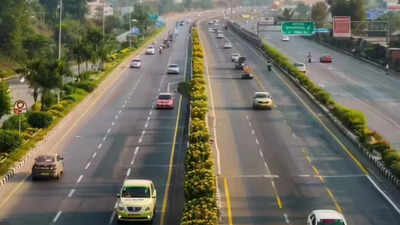
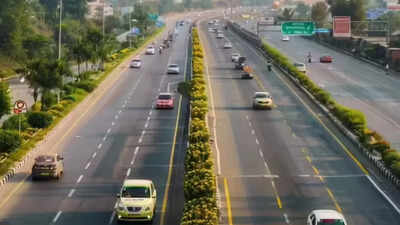
The National Highways Authority of India (NHAI) is preparing to introduce an advanced AI-powered monitoring system across nearly 40,000 km of national highways. This move is aimed at making road management more efficient and data-driven. At the core of this plan is a system called Dashcam Analytics Services (DAS), which uses Artificial Intelligence (AI) and Machine Learning (ML) to monitor road conditions. Under this setup, high-resolution dashboard cameras will be installed on Route Patrol Vehicles (RPVs). These vehicles will carry out regular surveys across highway stretches, capturing continuous video footage and images that are then analysed using AI-based models. The authority said the system is capable of identifying more than 30 types of defects and anomalies automatically. This includes common issues such as potholes, cracks, and surface wear on roads. By reducing reliance on manual inspections, the technology is expected to help detect problems faster and enable quicker maintenance action. Apart from pavement quality, the system will also monitor key infrastructure elements like lane markings, crash barriers, streetlights, and road signage. It will further track safety-related concerns such as unauthorised median openings, illegal hoardings, roadside obstructions, and improper parking. Other maintenance issues, including waterlogging, blocked drainage, vegetation growth, and the condition of bus bays, will also be covered under this monitoring system.
To strengthen safety checks, NHAI will also conduct periodic night-time surveys. At least one survey each month will take place at night to assess the visibility and performance of road markings, reflectors, and highway lighting systems, ensuring that roads remain safe even in low-light conditions. The entire system will be supported by a centralised digital platform that features dedicated modules for data management, AI analytics, and interactive dashboards. This platform will allow officials to track road conditions in real time, compare data over time, and monitor the progress of repair work more effectively. For smoother implementation, NHAI has divided the country into five zones, enabling better monitoring and quicker response to issues flagged by the system. With this rollout, the authority aims to shift towards a more proactive approach in highway maintenance, using real-time data and automation to keep roads in better condition.







Leave a Reply