
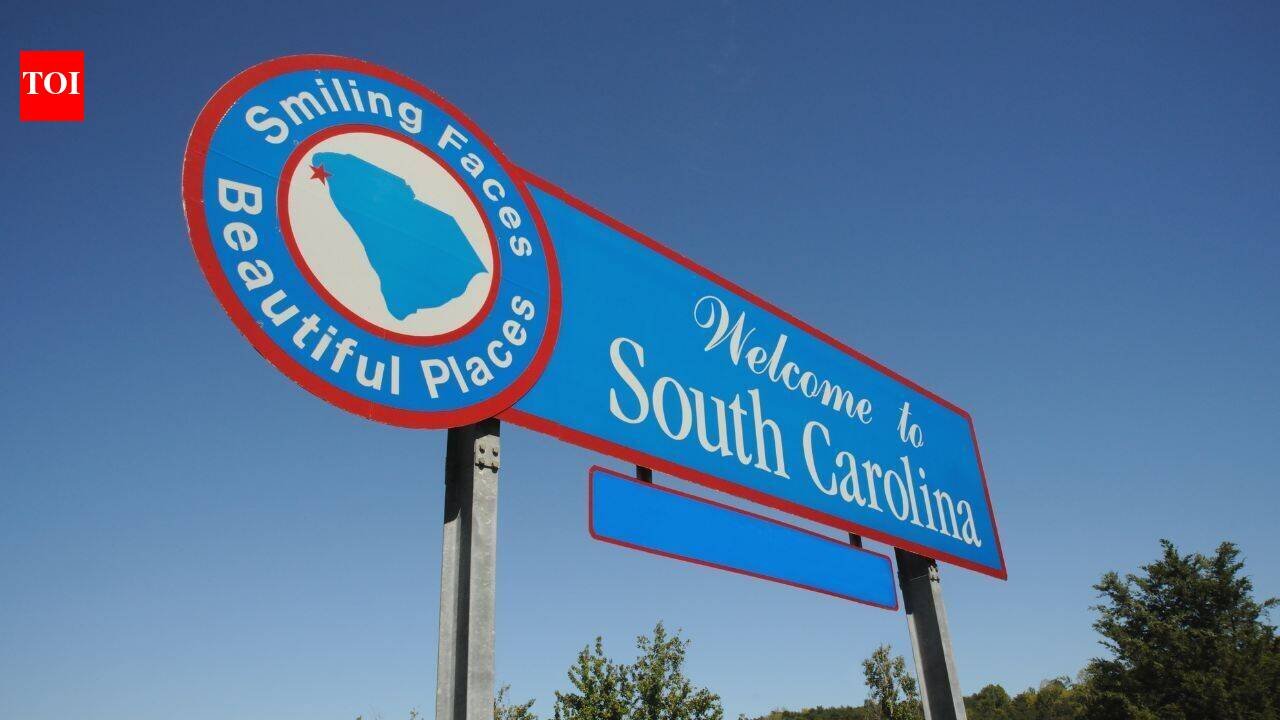

In the low country of South Carolina, where blackwater rivers wind through cypress swamps and marshes give way to the Atlantic, a quiet but monumental act of conservation has just reshaped the landscape. Cox Enterprises, a major media and communications company, has donated development rights on nearly 4,400 acres of its Clarendon Farms property, locking in permanent protection for one of the most ecologically rich tracts in the Southeast. The land, valued at hundreds of millions of dollars, includes about 40 miles of river and marsh frontage that provide critical habitat for fish, waterfowl and countless other species. As announced by Ducks Unlimited, the donation marks one of the largest and most significant conservation easements in United States history, ensuring that this vast expanse of forests, wetlands and working farmland will remain undeveloped in perpetuity.A landscape of rare scale and qualityClarendon Farms sits in the heart of South Carolina’s coastal plain, a region known for its biodiversity, productive fisheries and deep hunting and fishing traditions. The property spans a mosaic of habitats, from mature bottomland hardwood forests and pine stands to expansive freshwater marshes and tidal creeks. Blackwater rivers such as the Santee and its tributaries flow through the land, carrying tannin-stained water that supports distinctive plant and animal communities.What makes Clarendon Farms especially remarkable is its size and continuity. In a part of the country where large tracts have been subdivided for housing, timber plantations or commercial development, 4,400 acres of intact, well-managed land is increasingly rare. The 40 miles of river and marsh frontage multiply its ecological value, creating long corridors of habitat that allow wildlife to move, feed and breed across a wide area.The decision to protect the landFor Cox Enterprises, the path to permanent protection began with a recognition that the land’s long-term value extended beyond potential real estate development, as per the report. The company had owned and managed Clarendon Farms for decades, using it for timber production, hunting leases and wildlife management. Over time, leaders within the organisation came to see the property as a legacy asset, one that could deliver lasting benefits for conservation, recreation and local communities if kept intact. The chosen approach was a conservation easement, a legal agreement in which the owner of the property voluntarily relinquishes certain rights of development but retains ownership of the land.In this case, Cox relinquished rights to subdivide or build on the property in the future. The easement is monitored by qualified conservation organisations that are responsible for managing the land and ensuring that the easement conditions are met by current and future owners of the property. By giving up development rights valued at hundreds of millions of dollars, Cox made a financial sacrifice in the traditional sense. Yet the company frames the decision as an investment in natural capital, one that yields returns in the form of clean water, wildlife habitat, carbon storage and public goodwill.What the easement coversThe conservation easement on Clarendon Farms is comprehensive in scope. It restricts residential, commercial and industrial development across the nearly 4,400 acres, preserving the land’s open, forested and wetland character. Timber harvesting and other traditional land uses can continue under sustainable management plans, but they must be carried out in ways that protect water quality, wildlife habitat and the overall ecological integrity of the property. A major focus of the easement is the protection of aquatic resources. The 40 miles of river and marsh frontage include critical spawning and nursery areas for fish such as striped bass, catfish and shad, as well as foraging grounds for wading birds, waterfowl and otters. The easement also helps to maintain natural water flows, sediment transport and nutrient cycling that help sustain the health of the entire watershed by keeping these shorelines free from docks, bulkheads and dense development. The agreement also protects cultural and historical resources on the land, including sites associated with indigenous peoples and earlier periods of European American settlement. These features add another layer of significance to a property already remarkable for its natural values.Why this matters for wildlifeFor wildlife, the permanent protection of Clarendon Farms is transformative. The South Carolina low country is a key part of the Atlantic Flyway, a migratory route used by millions of birds each year. Waterfowl such as wood ducks, teal and geese rely on the region’s flooded fields, marshes and bottomland forests for food and shelter during migration and winter. By keeping large blocks of habitat intact and well managed, the easement helps ensure that these species have places to rest and refuel as they travel thousands of miles.The property is also important for game species such as white-tailed deer and wild turkey, which thrive in the mix of mature forest, early successional habitat and agricultural openings found on Clarendon Farms. For fish, the protected river and marsh frontage provides critical connectivity between upstream spawning areas and downstream estuaries supporting life cycles that span the entire river system. In an era of accelerating habitat loss and climate change, large, connected landscapes like this are increasingly seen as refuges where wildlife can persist and adapt. The easement effectively locks in that function for generations to come.Benefits for water and peopleThe ecological benefits of protecting Clarendon Farms extend well beyond the property’s borders. Forests and wetlands serve as natural filters, trapping sediments and nutrients that would otherwise enter rivers and eventually flow into coastal estuaries. This keeps the water clear and clean, which supports fisheries, shellfish beds and recreational activities like fishing and boating. The land also helps to reduce flooding. In times of heavy rainfall, bottomland forests and marshes absorb and slowly release water, lowering peak flows downstream and reducing flood risks for nearby communities. As climate change increases the frequency and intensity of extreme weather events, this buffering capacity becomes ever more valuable.For people, the protected land offers opportunities for hunting, fishing, birdwatching and nature study, though public access may be limited depending on the terms of the easement and the policies of the landowner and managing organisations. Even without broad public entry, the existence of a large, undivided tract contributes to the character of the region and supports local economies tied to outdoor recreation and natural resource-based industries.A model for large-scale conservationThe Clarendon Farms easement is being hailed as one of the most significant private land conservation actions in recent US history. Its scale, ecological quality and permanent nature set a high bar for what is possible when landowners, conservation groups and public agencies align around a shared vision. For other major landowners, particularly corporations with large real estate holdings, the donation provides an appealing model. It demonstrates that land protection can be compatible with good business sense, reputation for the brand, and long-term value creation. It also demonstrates that conservation does not necessarily imply public acquisition or government ownership. Private lands can stay in private hands and still provide public benefits through carefully crafted easements. Conservation organizations talk of the Clarendon Farms deal as proof that breakthroughs are still possible, even in areas where development pressure is high, and land prices are steep. The trick is finding partners who appreciate the inherent and practical value of keeping large landscapes whole.” Looking ahead With the easement in place, the work turns to stewardship. It will take continued attention and resources to monitor the property to ensure the terms of the easement are being met, to manage forests and wetlands for wildlife and water quality, and to adjust to evolving conditions, such as sea level rise and species distribution changes. For Cox Enterprises, the donation closes one chapter and opens another. The company no longer holds the option to develop Clarendon Farms, but it gains a lasting role in the story of one of the Southeast’s most important conservation landscapes. For wildlife, water and the people who depend on them, the protection of nearly 4,400 acres and 40 miles of river and marsh frontage is a promise that this special place will endure, not just for the next few decades, but forever.







Leave a Reply