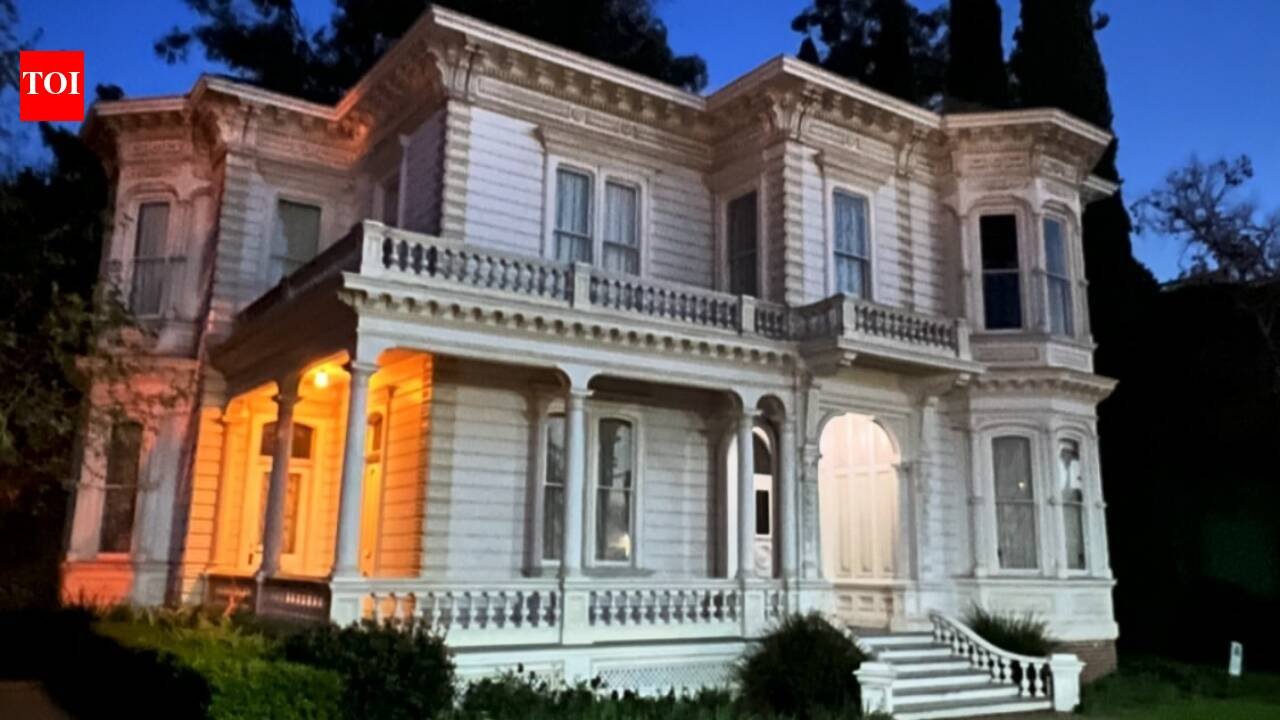
The Perry House, also known as the William Hayes Perry House or Mount Pleasant House, was built in 1876. After years of decline and vandalism, the house was threatened with demolition. In 1975, it was moved to Heritage Square at 3800 Homer Street, Montecito Heights. On Saturday, September 12, as the Perry Mansion observed its 150th anniversary, it opened its normally closed second floor to visitors for the first time in decades! The anniversary celebration at Heritage Square Museum marked a rare chance to step inside rooms frozen in time, the kind of access that restoration-focused museums typically guard for research and preservation work.
Perry House was more than a home
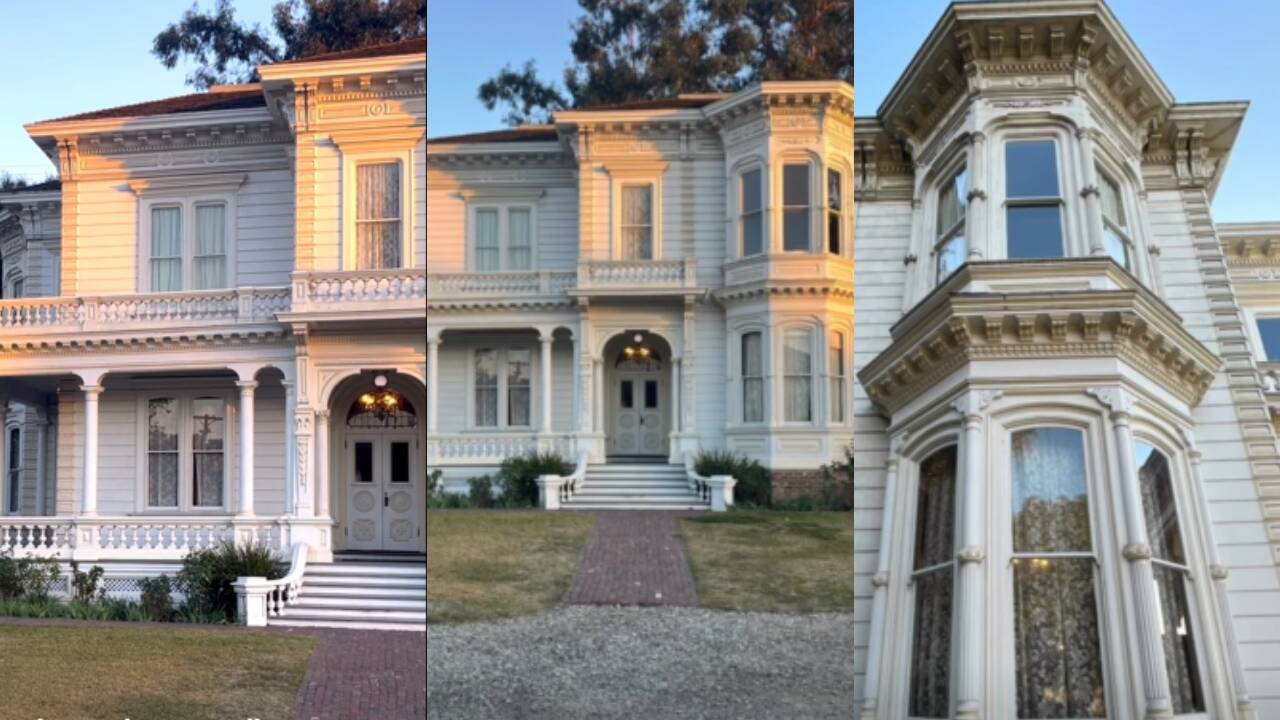
The Perry House was built during an era when such details still mattered. The mansion was built for William Hayes Perry, a prominent Los Angeles businessman and lumberyard owner whose work helped shape the growing city around him. The architect behind this mansion was E. F. Kysor. In fact, this house was more than a residence. It was symbolic of Perry’s role in shaping how Los Angeles grew. When building materials became scarce and expensive, Perry was the man controlling access to them. The home’s ornate woodwork, grand staircase, and handcrafted ceiling details represented more than an aesthetic choice. They signalled prosperity rooted in an industry that was literally constructing the region.Originally called Mt. Pleasant House, the building has seen many lives. It has been a family home, then a status symbol, and now, because of preservation efforts, it is a window into what LA looked like back in the day. By 1975, the Perry House, standing in Boyle Heights, faced demolition. Heritage Square Museum intervened and relocated the structure to its current home on a sprawling campus dedicated to preserving Victorian-era Los Angeles. It was the resurrection the Perry House needed.
Restoration and one-night access
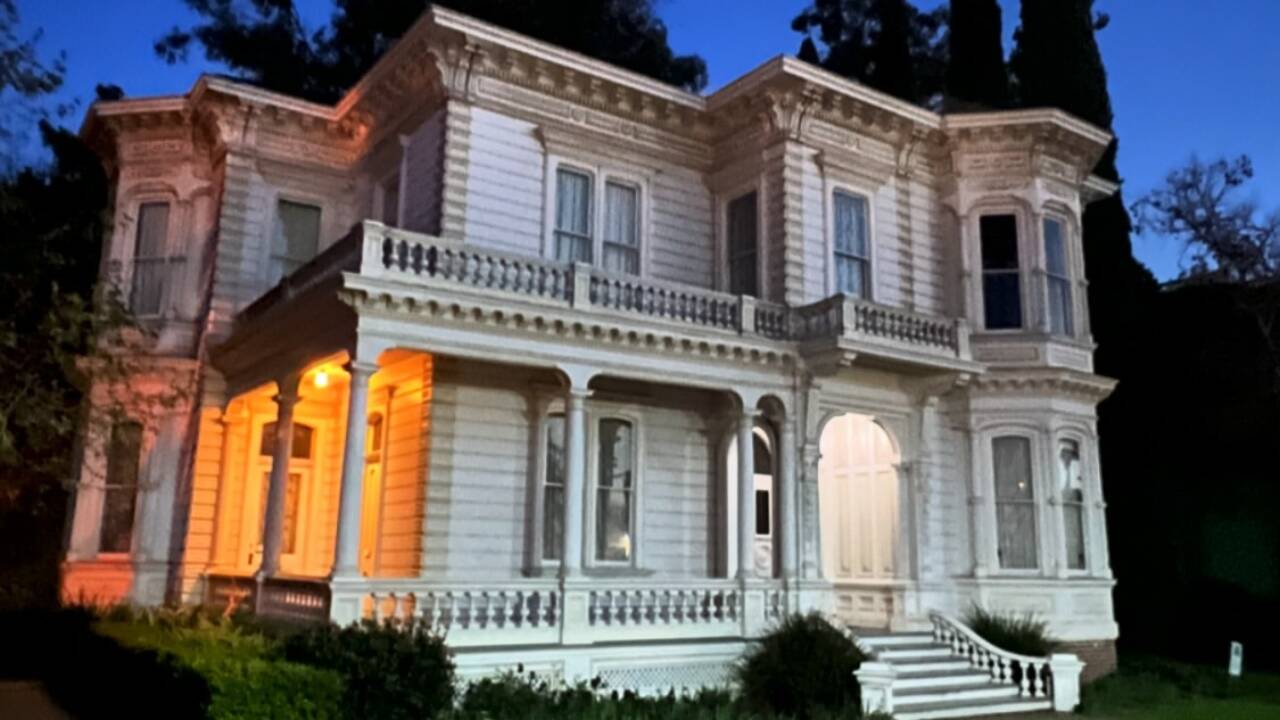
For fifty years, restoration work was carried out and finally brought the Perry House back to something close to its original condition. However, conservation also means restraint. The rooms remained inaccessible to the public. The second floor, with its ancient furnishings and handcrafted details, stays closed except during events like this one. Fundraising drove restoration work forward, and this Saturday’s event tied the two together: visitors got access, and the Perry House got funding.The visitors got a sneak peek of the intricate wood carving, wall and ceiling details, the ornate grand staircase, and rich interior and exterior. Given that the house was built before the Industrial Revolution, all these intricate details were done by hand! That’s right. The visitors witnessed true craftsmanship and labour from bygone days.The one-night event was crucial for the public. Visitors got to see the second floors of other structures at Heritage Square Museum, a rare opportunity that speaks to how carefully these buildings are typically preserved and displayed. Each house tells a different story about early Los Angeles. The eight Victorian-era buildings on the museum grounds represent different neighbourhoods, different economic circumstances, and different approaches to domestic life during a pivotal moment in the state’s development. The fundraiser was celebrated with VIP tours, second-floor house tours, live music, delicious food, and special beverages. “This is a fundraising event and all proceeds will go towards restoration projects for the Perry House,” the Heritage Square Museum said.General admission was sold at $75 per person, including first-floor house tours, a silent auction, access to the gift shop, and live music. The food and beverages were available for purchase. The VIP package was sold at $125 per person. This included all the above, along with early entry to the event, a swag bag, food and drink tickets, and upstairs tours for all open houses.The Perry House was rescued once, in 1975. It continues to require rescue, in smaller increments, year after year. The Saturday night event was a step towards that for the museum and an opportunity for the public to see rooms that they will never see anywhere else.







Leave a Reply