
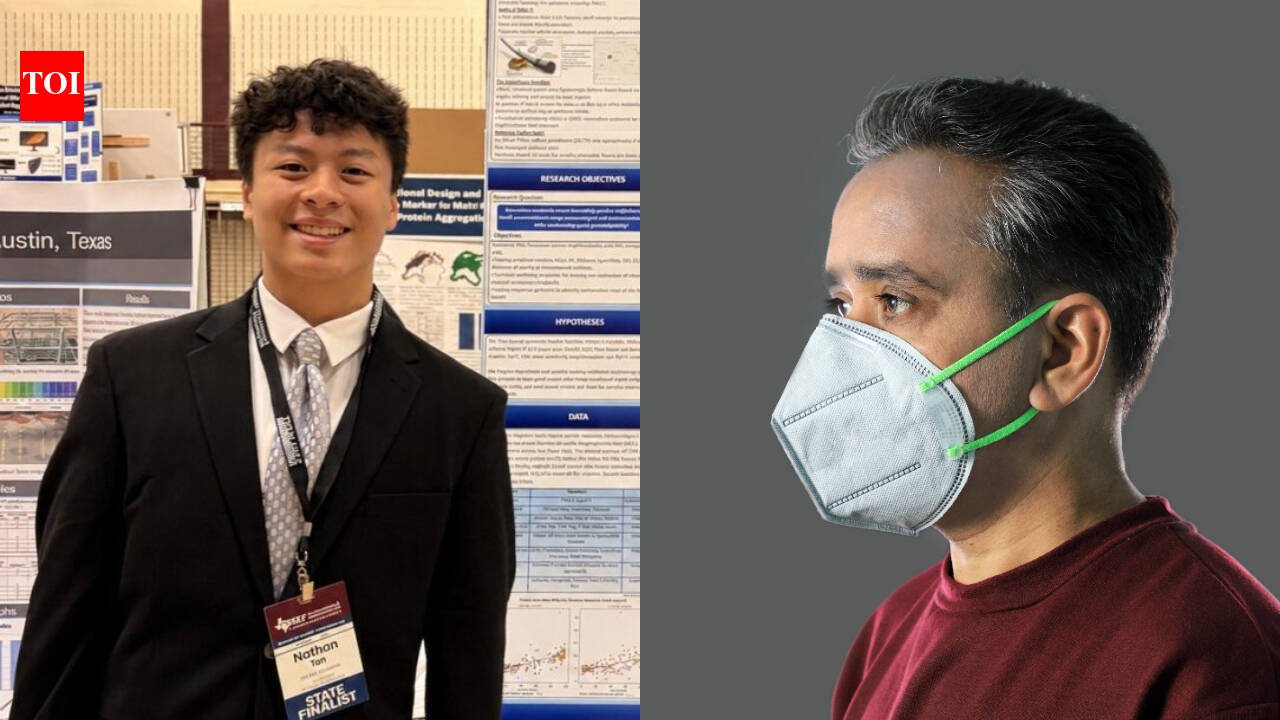
At 17, Nathan Tan has already taken on a problem that can be difficult even for adults to see, let alone solve: the invisible pollution hanging over neighborhoods where families have spent years carrying a disproportionate share of the environmental burden. From his home in Plano, Texas, Tan has turned concern about air quality into a growing community effort that combines technology, education and grassroots action, states a report by North Texas e-News.
A problem close to home
Tan is the founder of Shared Skies Initiative, a nonprofit focused on environmental injustice in Dallas. His work grew out of years spent tutoring elementary school students in West Dallas, where he became increasingly aware of the area’s pollution problems. His own experience with respiratory illness and the loss of family members to lung cancer also gave the issue a deeply personal dimension.A student’s question about why the sky looked so hazy prompted Tan to dig deeper. He found that childhood asthma rates in West Dallas are several times the Texas average, while a single air-quality monitor covers more than 900 square miles. That left many of the communities facing the greatest risks without detailed, neighborhood-level information about the air they were breathing.
Using technology to fill the gaps
As per the report, Tan initially considered expanding the network of monitoring equipment, but the cost and maintenance requirements made that approach difficult to scale. Instead, he developed a machine-learning model capable of predicting particulate matter concentrations in areas without monitoring stations. Sensor data is used to validate the model, creating a real-time air-quality map that is now used by about 1,000 Texans. The project gives residents a way to track pollution in their communities without relying solely on the limited network of traditional monitoring stations, adds the report.
Taking the message into schools
Technology is only one part of Tan’s approach. Shared Skies created a 50-page environmental justice guide in English and Spanish and distributed it to more than 60 low-income schools, reaching approximately 30,000 students. The organization has also provided 50 student-built air filters capable of reducing indoor pollution by as much as 95%, along with 10,000 KN95 masks and bilingual educational booklets. Its youth ambassador program has trained 300 young people to understand air-quality data and share practical information with their families. The effort turns students from passive recipients of environmental information into participants who can help their communities understand and respond to pollution.
From classrooms to city councils
Tan has also taken the issue beyond classrooms and community workshops. Shared Skies has organized letter-writing campaigns and appeared before local city councils while working with grassroots organizations to bring greater attention to air-quality concerns.One focus has been a shingle manufacturing plant located just hundreds of yards from homes in West Dallas. The organization has advocated for the plant’s closure and encouraged young people to participate in local discussions about environmental policy.
National recognition at 17
The scale of Tan’s work has now earned him national recognition. He is one of 25 recipients of the 2026 Gloria Barron Prize for Young Heroes, which honors young people between 8 and 18 who have made significant contributions to their communities or the environment. Fifteen of this year’s winners receive $10,000 to support their service work or higher education. Tan is one of two Texas recipients this year, adds the news report.His project began with a question about hazy air and grew into an initiative combining data science, education and community organizing. At an age when most students are still deciding what direction to take, Tan has already built a project designed to give thousands of people better information about the environment around them.






Leave a Reply