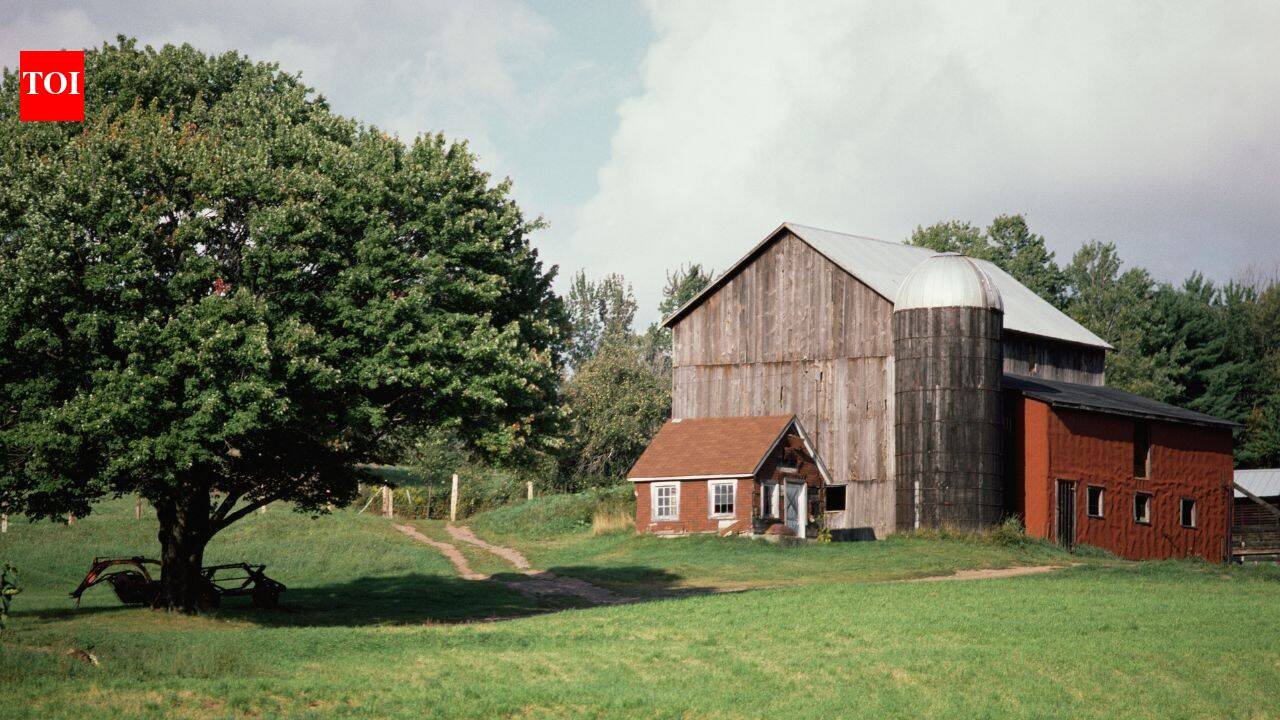
In 1954, a Maryland family bought 62 acres of tired farmland and chose not to force it back into production. Instead, the property was given time to recover, allowing fields, woods, wetlands and wildlife habitat to return gradually. Seventy-two years later, that patient decision has become part of a much larger conservation story. Toad Hall, a property in Kent County, Maryland, is now permanently protected through a conservation easement and forms part of a connected 1,200-acre conservation block. Reporting by Eastern Shore Undercover says the agreement also represents the 350th protected property completed by the conservation group involved. The achievement offers a reminder that environmental restoration does not always begin with a grand project. Sometimes, it starts when landowners decide to leave a worn-out piece of ground alone and allow nature to rebuild.
A farm given time to recover
When the family purchased the property in 1954, Toad Hall was a 62-acre truck farm. The term “truck farm” refers to land used to grow vegetables and other crops for market. Like many working farms, the property had been shaped by years of cultivation, planting, harvesting and the constant pressure to produce.But instead of continuing to intensively farm every part of the land, the family allowed the property to heal. Over the decades, previously cultivated areas were given space to change. Vegetation returned, natural processes resumed and the landscape gradually became more valuable as habitat.That kind of recovery can be easy to overlook. It does not always involve a dramatic rewilding project, a large-scale planting campaign or a sudden transformation visible from one day to the next. Often, it happens slowly: a field is no longer ploughed, native plants spread, trees mature, water moves through the land more naturally and animals begin using the area again.Toad Hall’s story is therefore rooted in patience. The family’s decision to let the land rest created the foundation for its protection many decades later.
From private land to permanent protection
The property’s future changed when it became protected through a conservation easement. A conservation easement is a legal agreement that permanently limits certain types of development on private land. The land can remain privately owned, but its conservation values are protected for the future.This arrangement allows landowners to care for their property while ensuring that important natural features are not lost to subdivision or intensive development. Depending on the agreement, farming, forestry or other compatible activities may continue, but large-scale development is restricted.For Toad Hall, the easement means the 62 acres will remain protected permanently. The decision does not simply preserve the property as it looks today. It protects the land’s ecological potential, including its ability to provide habitat, store water, support native plants and form part of a larger connected landscape.That long-term legal protection matters because ownership can change. Families may eventually sell or transfer land, and economic pressures can alter the way a property is used. A conservation easement creates a safeguard that remains in place even when the people connected to the property change.
The importance of a connected landscape
Toad Hall is not an isolated patch of protected land. It sits within a 1,200-acre conservation block, making the agreement significant beyond the property’s boundaries.Wildlife does not recognise property lines. Birds, mammals, insects and amphibians move between feeding areas, nesting sites, wetlands, forests and fields. When protected parcels are connected, animals have more space to move and plants have a better chance of spreading.Large, connected conservation areas can also help ecosystems cope with change. A species that loses access to one part of its habitat may be able to relocate to another. Natural areas can provide refuge during storms, droughts, heatwaves and other environmental stresses.For plants and animals, a 1,200-acre block is more useful than a collection of tiny, disconnected islands. Roads, buildings and intensive land use can divide habitats, making it harder for wildlife to travel safely and reducing the genetic exchange between populations.By adding Toad Hall to the protected landscape, the easement strengthens the wider block. The property becomes one more piece of a natural network rather than a solitary island of habitat.
Why farmland can become wildlife habitat
Agricultural land is not automatically hostile to wildlife. Much depends on how it is managed and what happens when intensive cultivation stops.Former farm fields can develop into grassland, shrubland or young woodland. These habitats may support pollinators, songbirds, small mammals and reptiles. Older trees can provide nesting cavities, while fallen branches and leaf litter create shelter for insects and other small organisms.Wet areas and drainage channels can also become important habitat. They may hold water during rainy periods, filter runoff and provide breeding areas for amphibians. Vegetated edges between fields and woods can offer cover for animals moving across the landscape.The transformation is not always neat or predictable. A recovering property may look overgrown to some people, but what appears untidy can be ecologically productive. Dead trees, fallen leaves, native weeds and dense undergrowth all contribute to a functioning ecosystem.Toad Hall illustrates how land can acquire new value over time. It began as a working farm, but its importance now includes the natural systems that developed after the soil was allowed to rest.
A milestone for conservation
The conservation agreement is also notable because it became the 350th protected property completed by the organisation involved, according to Eastern Shore Undercover.That milestone represents more than a number. Each protected property requires landowner participation, legal work, funding, planning and long-term stewardship. The properties may differ in size and character, but together they create a record of local decisions made in favour of conservation.The 350th easement also reflects changing attitudes towards private land. Conservation is often associated with national parks, public forests or government-owned reserves. Yet a significant amount of habitat exists on privately owned land.Landowners can play a vital role in protecting open space, maintaining wildlife corridors and preventing development in ecologically important areas. Their decisions can influence water quality, biodiversity and the visual character of an entire region.In this case, the original family’s decision to let the land recover was followed decades later by a formal agreement that secured its future. The two choices—first allowing nature to return, then protecting the property legally—work together.
The value of patience
Environmental restoration is often discussed in terms of targets and deadlines. Projects may promise to plant a certain number of trees, restore a particular wetland area or protect a specific amount of land. Those goals are important, but Toad Hall’s history highlights another ingredient: time.Seventy-two years passed between the family’s purchase of the farm and the property’s permanent protection. During that period, the land was able to develop gradually. Trees grew, soils changed and habitat matured.Nature rarely follows a quick schedule. A newly planted woodland may take decades to resemble a mature forest. A recovering field may pass through several stages before becoming suitable for the species that conservationists hope to support. Some ecological benefits may not be obvious until many years after a management decision is made.The story also shows why conservation should look beyond immediate results. A property that seems unremarkable today may become increasingly valuable as surrounding areas are developed. Protecting it early can prevent the loss of options later.
Protecting more than scenery
Conservation easements are often praised for preserving scenic open space, and Toad Hall may certainly contribute to the rural character of Kent County. But protected land provides services that extend beyond what people see.Healthy vegetation can reduce soil erosion and slow the movement of rainwater. Wetlands and low-lying areas can help absorb excess water. Trees store carbon, offer shade and improve local habitat conditions. Diverse plant communities support pollinators and other organisms that contribute to healthy ecosystems.Protected land can also support education, research and outdoor recreation when appropriate access is available. Even where public entry is limited, the ecological benefits can extend beyond the property itself.These functions become especially important as communities grow. Development can replace fields, woods and wetlands with roads, rooftops and other hard surfaces. Once natural areas are fragmented or destroyed, restoring them is often expensive and difficult.Permanent protection provides a form of insurance. It keeps the land available for wildlife and natural processes, even as the surrounding region changes.
A quiet conservation legacy
Toad Hall’s story does not centre on a famous species or a dramatic rescue. It is about a family, a piece of farmland and a decision to allow the landscape to recover.That quiet approach may be one of the most meaningful aspects of the property’s history. The land was not required to prove its value immediately. It was allowed to exist, change and mature. Years later, its importance was recognised through permanent protection.The property now contributes to a much larger 1,200-acre conservation block, while its easement marks the 350th protected property completed by the conservation group. Together, those facts place one family’s long-term relationship with the land inside a broader regional effort to preserve open space and habitat.Toad Hall shows that conservation can begin with restraint. Sometimes, the most powerful action is to stop disturbing the land and give it time. With legal protection added at the right moment, that patience can become a legacy—one capable of supporting wildlife and natural systems for generations to come.






Leave a Reply