
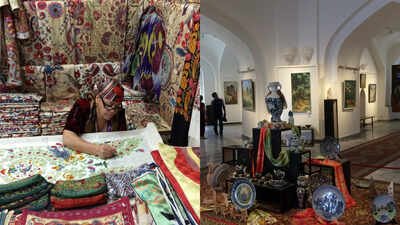
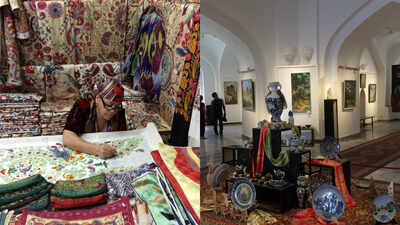
At the end of August this year, the Prime Minister visited Uzbekistan. Had his visit been a trifle longer and encompassed the Registan complex in Samarkand, he may have come across an interesting feature in the madrasas that constitute the complex. Within each madrasa, the cells where students once lived are now shops for handicrafts, bridging the gap between architectural history and living heritage. The marketplace does not just bring alive the otherwise passive monument, it also creates a ‘heritage zone’ compelling visitors to spend more time and adds to the local economy. This phenomenon of creating heritage zones, common in that country, is something India would do well to learn from.A visitor to the Qutab Minar complex in Delhi, also a UNESCO World Heritage site like the Registan Square, sees a set of magnificent monuments. However, the place gives no clue about the larger heritage ecosystem that lies just beyond the walls of the Qutab complex. And importantly, the opportunity to create a showcase of living heritage too has been missed.
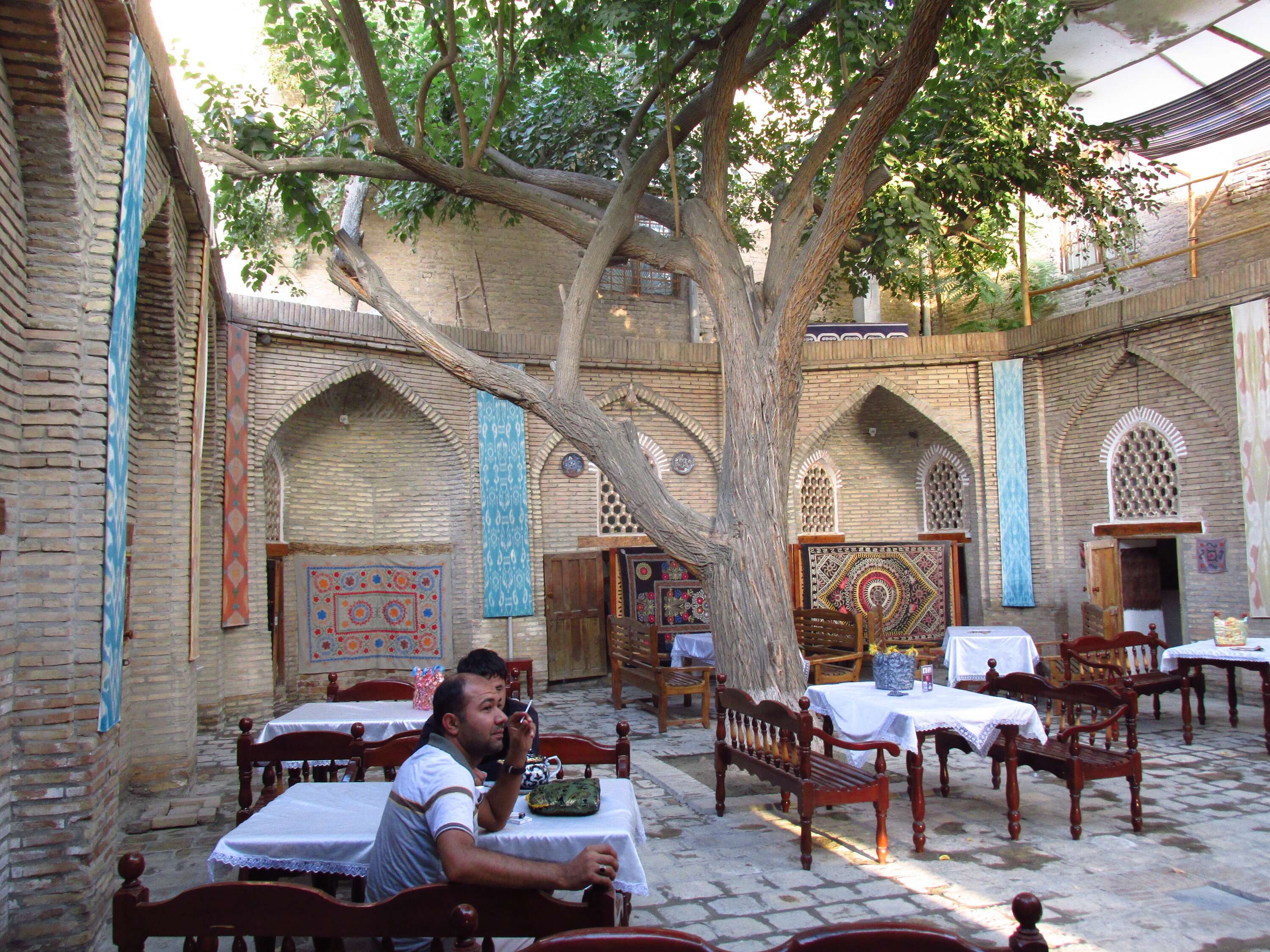
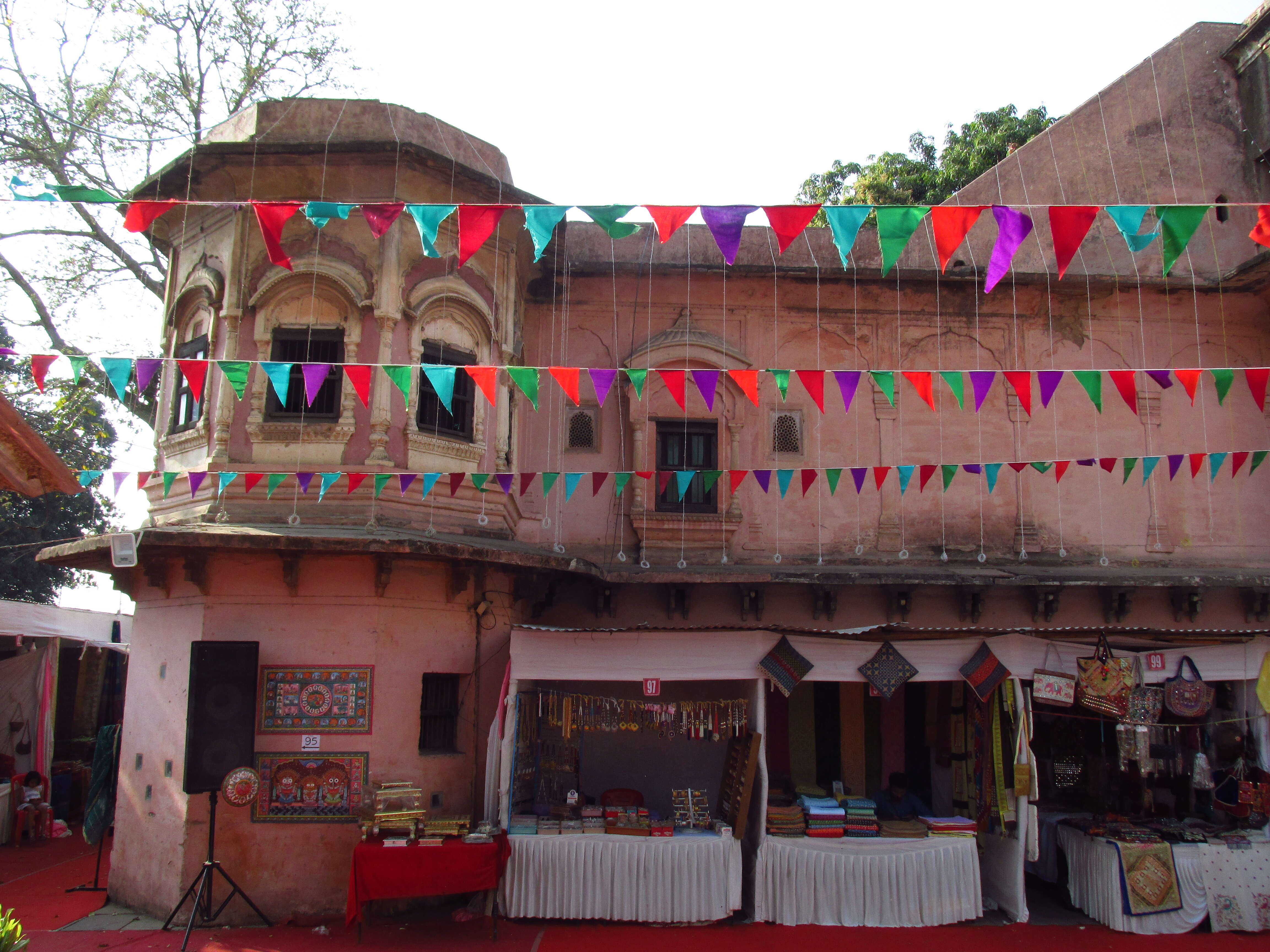
Sharing a wall with the Qutab complex is Mehrauli Archaeological Park, dotted with tombs, mosques, a magnificent stepwell, stables, cupolas as well as some British era structures. On the other side of the complex lies Mehrauli village, with more tombs, a dargah, the Zafar Mahal, another stepwell and a tiny World War I marker. Nothing in the Qutab complex indicates the existence of this larger heritage universe.Nor is there any mention of the superb Dastkar Haat, a short drive away. In March this year, the Haat saw a major fire that destroyed over forty shops and caused losses of several crore. To anyone who has visited the place, it is apparent that the Haat suffers from a lack of space. On the other side, the Mehrauli Archaeological Park, spread over 200 acres, lacks publicity and footfalls. The back wall of the park is broken and serves as a thoroughfare for people in Mehrauli village. After dark come the unsavoury elements. An uncovered drain flows through a part of the park. The logical solution would be to marry the two spaces.Imagine a scenario where visitors had an option to exit – or enter – the Qutab complex into the Archaeological Park, in one corner of which the Dastkar Haat is relocated. Currently the park has a solitary café. Create more such cafes and even fine dining areas, as well as an amphitheatre enabling cultural performances and open-air exhibitions.
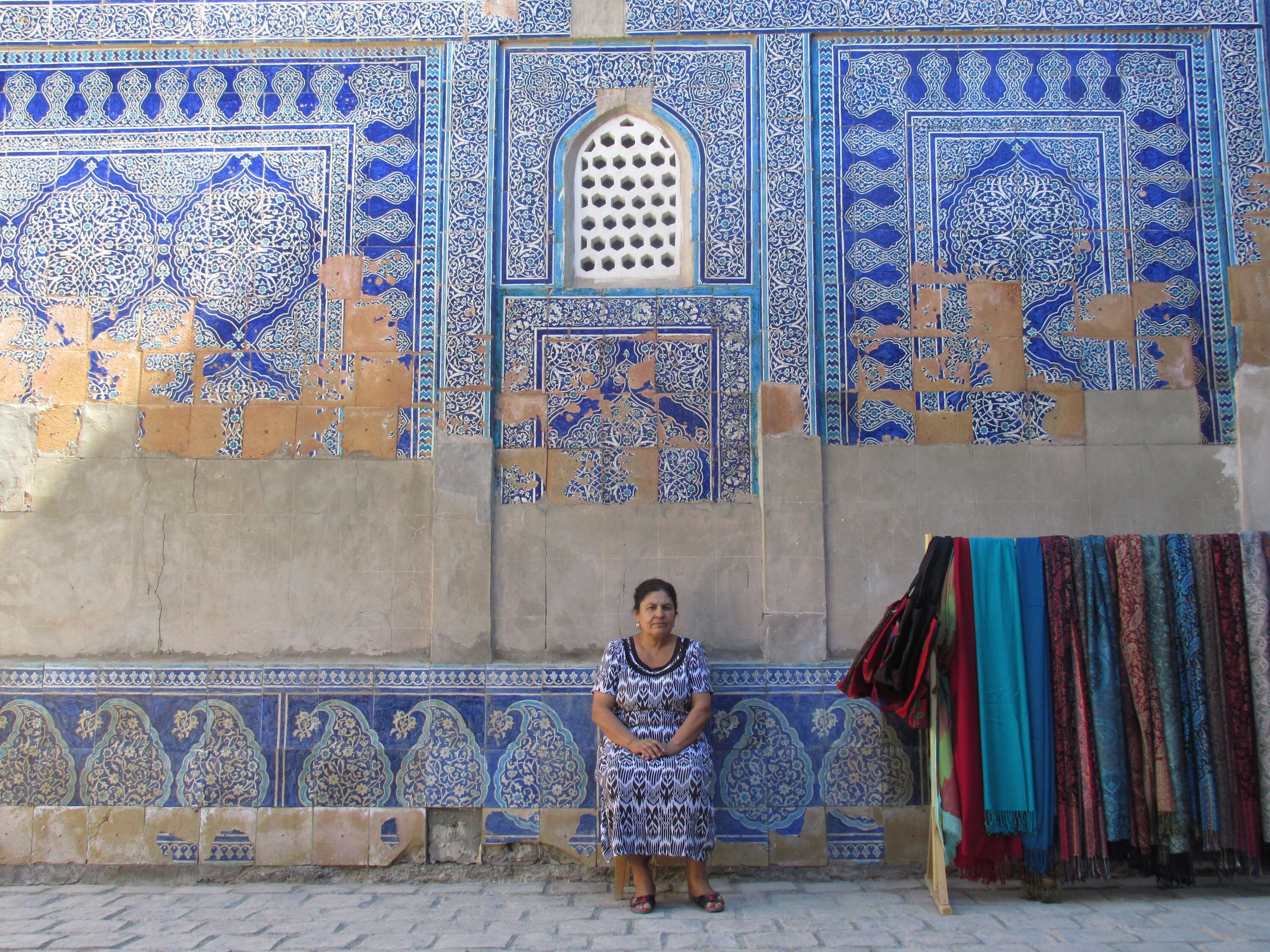
AdvantagesThe biggest plus is to create urban spaces in and around hitherto neglected heritage zones that ensure:
- Higher footfalls in the heritage zone itself, which would especially benefit less-known monuments.
- Optimal utilization of space in the heritage zone, bringing in new audiences causing benefits to both the monument’s eyeballs as well as the Haat.
- Seamless cultural connection between handicrafts and heritage zones building a multi-sensory journey encompassing architecture, craft and culture.
- Ensures neglected parts of a large heritage zone are spruced up and not left to be covered by vegetation or intruded by anti-social elements.
- Creates economic opportunities, both to the artisans and to the agency managing the monument. A revenue sharing arrangement could be explored.
ChallengesThe Dastkar Haat is a creation of a non-profit society which runs for the welfare of artisans, in partnership with Delhi Tourism. The latter reports to the Delhi State Government while the Delhi Development Authority – which controls the park – is under the Central Government’s Ministry of Housing and Urban Affairs. The monuments are with the Archaeological Survey of India (ASI), under the jurisdiction of the Central Government’s Ministry of Culture. Imagine the sheer number of bureaucrats involved and the resultant turf war. Adding to the confusion are some madrasas, supposedly under the umbrella of the Waqf Board, which are functioning out of monuments.The suggestion of bringing a Haat into the vicinity of a space that has the Jamali-Kamali mosque, Balban’s tomb and the Rajaon-ki-Baoli would instantly anger heritage hardliners, not to mention ASI officials.
Process
- Curation of such a zone will need to be pioneered by the Union Ministry of Culture, bringing in subject matter experts from the private sector or non-for-profit bodies such as the Indian National Trust for Art and Cultural Heritage (INTACH).
- Monitoring the heritage zone to ensure the monument stays untouched is a task for the ASI, of or state department, if it is a state managed monument.
Pan-India modelThis model ‘heritage zone’ already exists in Sunder Nursery and begs to be implemented in sites across India. The nursery was once a mere offshoot of the Humayun’s Tomb complex, drawing in only flora and heritage afficionados.
Share your thoughts in the comments
Be respectful · TOI community guidelines
Today, it is a magnificent cultural hub.Imagine the Tughlakabad Fort as a place for musical evenings instead of being overgrown with scrub. Imagine if the National Crafts Museum were not in isolation in a corner of Bharat Mandapam but within the Purana Qila complex. Imagine if the neglected spaces near Ujjain’s Kaliyadeh Palace were leveraged to create a crafts bazaar. Imagine if Chhattisgarh’s tribal art, crafts and cuisine were to be given a space – even on a seasonal basis – at the heritage hub of Sirpur. Imagine!(The author is a heritage enthusiast)





Leave a Reply