
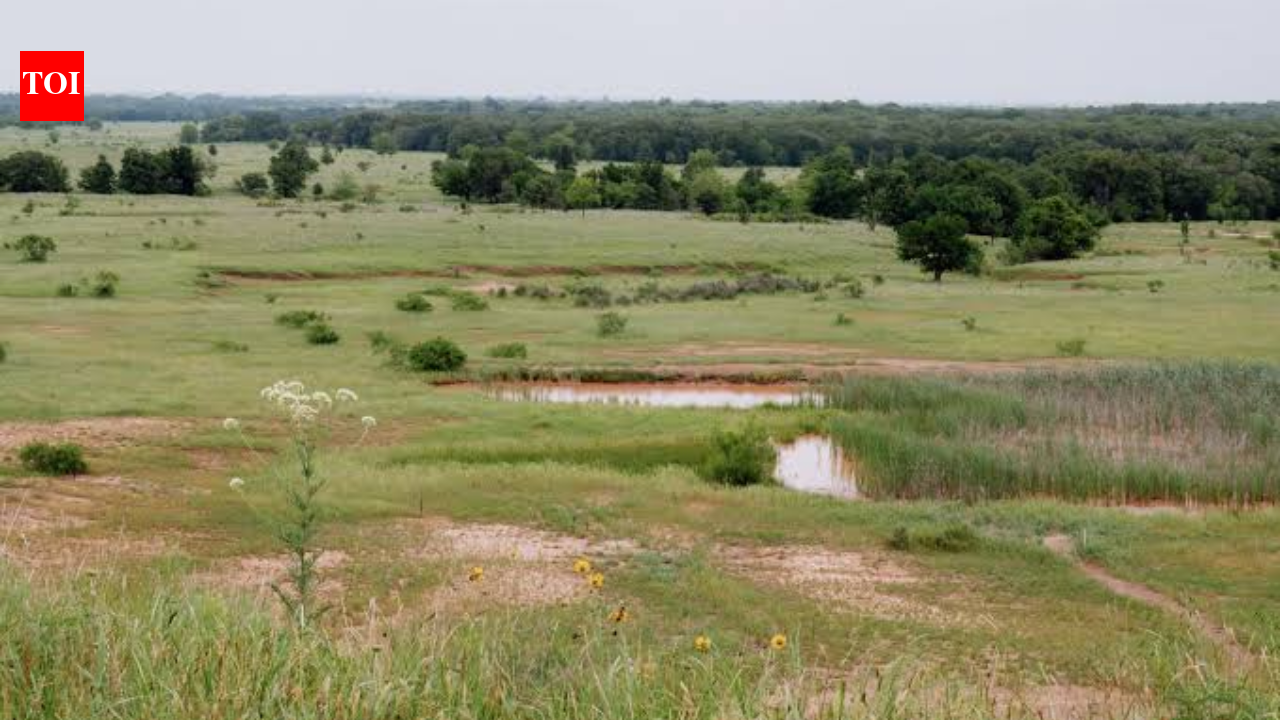
A reservoir plan rejected by voters in the water district serving Wichita Falls in 1958 is facing another major setback nearly seven decades later. On October 9, 2026, a judge overturned the state permit for Lake Ringgold, a proposed reservoir that could flood more than 16,000 acres of agricultural land and wildlife habitat in Clay County, Texas. The project was proposed by the city of Wichita Falls to help secure water supplies for North Texas during future droughts. But ranchers and conservation groups challenged the plan, arguing that it would damage productive grazing land, affect wildlife and force families to give up properties they had owned for generations.As reported by American media portal News Channel 6, Travis County District Judge Maya Guerra Gamble overturned the Texas Commission on Environmental Quality’s decision to issue the permit after hearing arguments in Austin. The ruling is a major victory for landowners who have opposed the project, although the city has said it may appeal. The dispute centres on two competing concerns: how Wichita Falls can secure a reliable water supply for the future, and whether the proposed reservoir is justified given the amount of land and habitat it would affect.
A reservoir plan that dates back to 1958
The Lake Ringgold proposal has a history stretching back to the 1950s. Historical reporting records that voters in the water district serving Wichita Falls rejected the Ringgold project in 1958, when its estimated cost was $15 million. This was not a statewide Texas referendum. The idea returned to the forefront after a severe drought affected North Texas between 2010 and 2015. According to The Texas Tribune, the drought came close to draining Wichita Falls’ two main reservoirs, Lake Arrowhead and Lake Kickapoo. The city imposed strict water-use restrictions and explored ways to reduce demand. Russell Schreiber, the city’s public works director, described the situation as “very devastating” in an interview with The Texas Tribune, recalling how the reservoirs approached critically low levels.From July 2014 to July 2015, Wichita Falls also used direct potable reuse, a process that treats wastewater so it can be used as drinking water. The initiative helped reduce demand on the two reservoirs by 75%, but their combined storage still fell to about 20% of capacity. The experience pushed city officials to revisit the reservoir proposal. The city argues that another reservoir would provide an additional source of water during future droughts and help protect the region from shortages.
What the proposed Lake Ringgold would involve
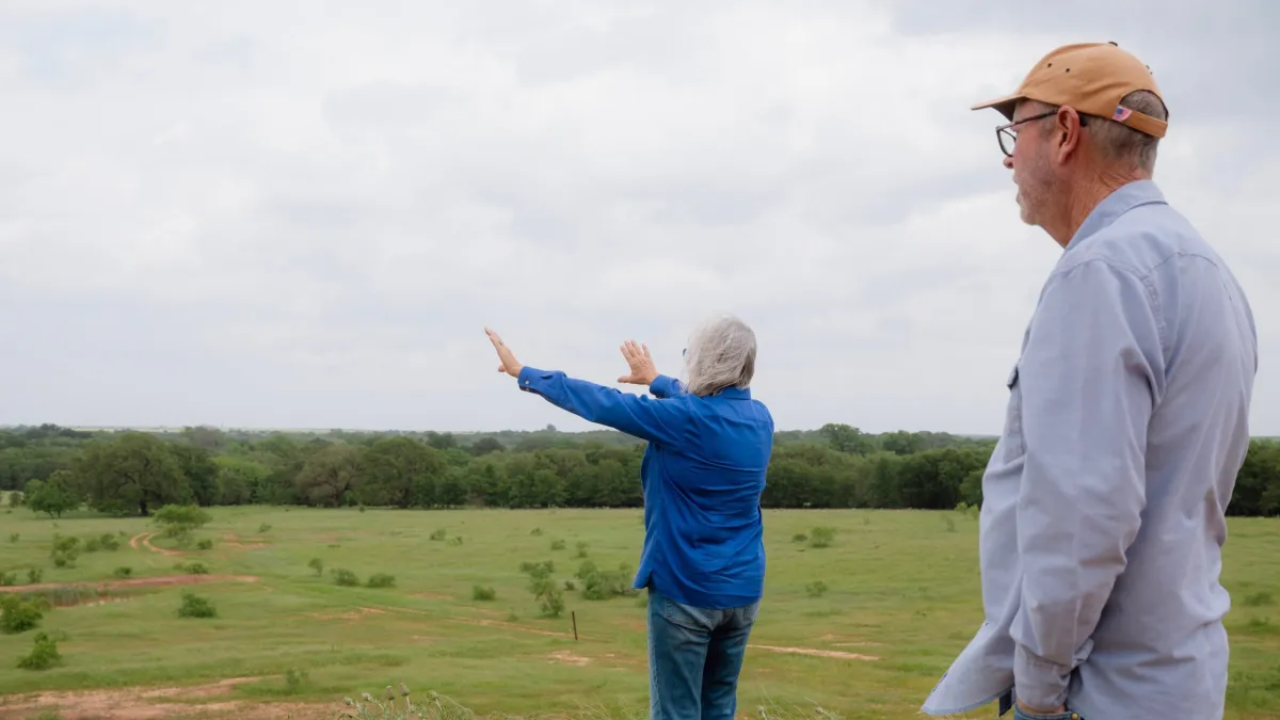
Photo credit: The Texas Tribune
The reservoir would be created by building a dam on the Little Wichita River, about half a mile upstream from where it joins the Red River. The site is in Clay County, approximately 30 miles east of Wichita Falls. According to The Texas Tribune, the project was estimated to cost $443 million and could provide a yield of 65,000 acre-feet of water per year. One acre-foot is the volume of water needed to cover one acre of land to a depth of one foot.The city would need about 24,000 acres for the overall project, including the reservoir, pumping facilities and a transmission line to carry water to treatment facilities in Wichita Falls. It owned approximately 6,662 acres of the required land, meaning additional property would need to be acquired through purchases or eminent domain. Opponents of the project said more than 25 ranching families could be forced to sell all or part of their land if the reservoir went ahead. The proposed lake itself would cover more than 16,000 acres, including productive agricultural land and wildlife habitat. The Texas & Southwestern Cattle Raisers Association (TSCRA) said the reservoir would displace ranching operations and permanently alter the landscape.
Ranchers fear losing land held by their families for generations
For ranchers in Clay County, the concern is not only about the acreage that would be submerged. The land is also where they raise livestock, maintain their livelihoods and have built family homes. According to a May 2024 report by The Texas Tribune, ranchers described how the reservoir could cut through grazing land, flood ancestral properties and submerge homes where their children had grown up.
Why the permit went to court
The Texas Commission on Environmental Quality approved the city’s permit for Lake Ringgold on June 27, 2024. The decision came despite opposition from landowners and conservation groups, including the Texas Conservation Alliance. The dispute followed a contested-case hearing in which opponents questioned whether the reservoir was necessary at the proposed scale and argued that its environmental and agricultural costs had not been adequately justified.According to The Texas Tribune, an administrative judge had previously recommended denying the permit, citing concerns about whether the project’s scale was justified by the city’s projected water needs. The city, however, maintained that it needed to plan for future population growth and drought. The landowners’ challenge eventually reached Travis County District Court. On October 9, 2026, Judge Maya Guerra Gamble overturned the state agency’s decision to issue the permit. The ruling overturned the permit decision; it did not establish that the region no longer needs additional water supplies.
What happens to Lake Ringgold now?
The ruling has overturned the state permit, but the city’s plans may not be over. Wichita Falls Mayor Tim Short told News Channel 6 that the city had 30 days to appeal and would discuss its next steps with legal counsel. The report did not say that an appeal had already been filed. The city also reiterated its commitment to securing long-term water supplies for Wichita Falls and the surrounding region. The TSCRA, which supported affected landowners during the proceedings, described the ruling as an important milestone.The judge’s decision does not remove the region’s need to plan for future droughts, but it has halted the project under the permit that was challenged. Any further steps will depend on the city’s response and the next stage of the legal process. The Lake Ringgold proposal has been debated for decades, from the $15 million plan rejected by voters in the Wichita Falls water district in 1958 to the $443 million project considered in recent years. Its future now depends on whether the city can overcome the latest legal setback while addressing the concerns of ranchers who fear losing their land and livelihoods.







Leave a Reply