


Harrison Ford felt drawn to Jackson Hole for its natural beauty, flora, and fauna, which prompted him to build his own sanctuary there, protecting and preserving the surrounding nature and wildlife. He turned his Wyoming ranch into a getaway from the hustle and bustle of Hollywood and a protected reserve where animals could roam free, and plants and trees could grow without human development or interference.Here is a look into one of Harrison Ford’s most well-known real estate properties.
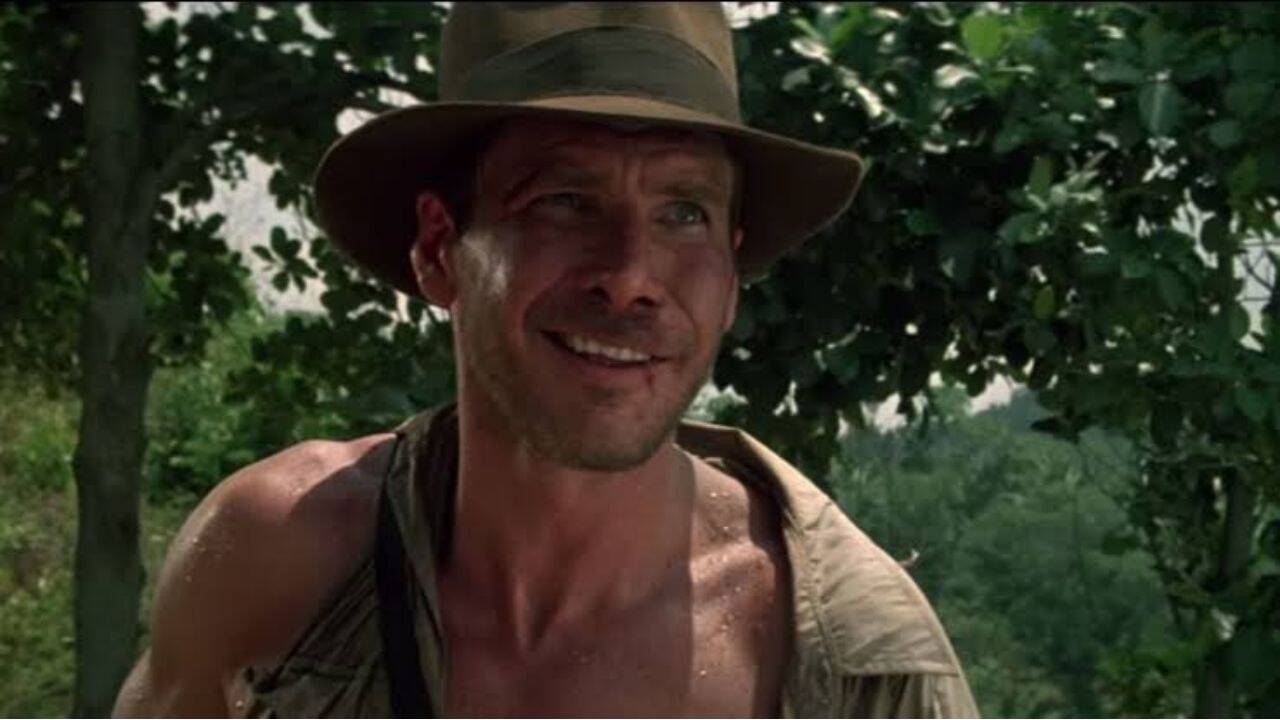
The Indiana Jones actor invested in an 800-acre piece of land in Wyoming to get away from Hollywood. (Image Credit: Screengrab from YouTube)
In 1985, Harrison Ford invested millions in an 800-acre ranch
Moving away from Southern California, the veteran actor found the perfect spot for himself in Wyoming, away from the glamour and limelight of the Hollywood industry. Ford fell in love with the nature in the area, and he also wished to preserve his surroundings as much as possible. The actor had bought out the 800-acre ranch with his then-wife, screenwriter Melissa Mathison.ABC News reported that the actor built his own timber-and-stone retreat on the land and even did most of the upkeep on the land himself. This upkeep included carpentry, clearing driveways, and maintaining equipment. Harrison already had quite a bit of experience under his belt, since before he made it in the Hollywood industry, he would often work as a carpenter alongside his acting gigs to support his wife and children at the time. He went on to create furniture for Sergio Mendes, actress Sally Kellerman, and director Richard Fleischer, to name a few.When he found global success with the ‘Star Wars’ feature, Ford was utterly grateful; however, by 1983, with the success of the movie ‘Return of the Jedi’ in theatres, he wished for a different life, a slower life, which led him and his wife to Jackson Hole. From the get-go, the space was filled to the brim with wildlife as migrating elk and mule deer often used the ranch’s green pastures, and bald eagles, blue herons, and cutthroat trout also lived on the land.While talking to Architectural Digest, Ford talked about the property and shared, “I think we all get something set in our heads early on. And the first time I saw Jackson Hole, I said, ‘This is the place that’s been in my mind all the time. It was about water, streams, trees, and animals—a grand expression of nature. The Tetons rising sharply from a flat, high mountain plateau…”

The veteran actor invested in the property because he loved how close to nature the ranch was. While he built the main residence on his own, most of the ranch land remained untouched for the flora and fauna in the area. (Image Credit: Movie still from the 2015 film The Age of Adaline)
More about the interior of Harrison Ford’s main residence
Ford worked on the main residence himself, and according to reports shared online by The Land Report, the home is filled with exposed Douglas fir timber framing, as well as heavy beams to support the structure and detailed cabinetry. The property also boasts a lot of built-in shelves, cabinets, and structural trim elements that he made himself.He also built in local stone fireplaces, which spread across a floor-to-ceiling design and were built from native Wyoming river rock and were added in the main living spaces and grand room. Since nature was a main reason the ‘Indiana Jones’ actor bought the space, the home featured floor-to-ceiling windows in the main living space, offering views of the Teton Range, the Snake River corridor, and surrounding meadows.
About the land protection and conservation easements on Harrison Ford’s property
Ford also wanted to ensure there was no scope for human interference and development on most of the land. He donated conservation easements covering roughly half of his estate, spanning 389 acres, to local land trusts, including the Jackson Hole Land Trust. This helped turn a big part of his Jackson Hole ranch into a protected space. These easements now permanently restrict residential and commercial development in the area and have helped preserve the pristine ecosystem of the space along the Snake River, giving the animals and plants there a chance to thrive in their natural habitats.







Leave a Reply