
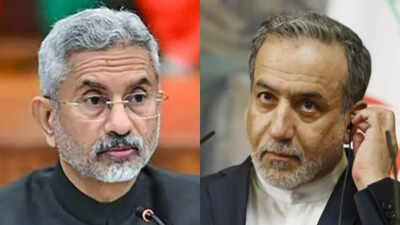
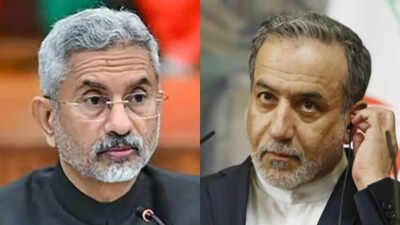
External Affairs Minister S Jaishankar on Saturday greeted his Iranian counterpart Abbas Araghchi, and discussed the ongoing conflict in West Asia.In a post on X, Jaishankar said, “Spoke this evening to FM Araghchi of Iran. Conveyed greetings for Navroz and Eid. Our conversation was on the latest developments regarding the conflict. And its implications for the larger region.”The conversation comes at a time when tensions in the region remain high. According to a post by the Iranian embassy in India, during the call, Araghchi referred to the situation in the Persian Gulf and the Strait of Hormuz as part of a broader regional crisis. He said it was a result of “the hostile and aggressive actions of the United States and Israel.”Iran’s foreign minister further stressed that any improvement in the situation would depend on stopping these actions. “Normalisation of the situation depends on the cessation of attacks and aggression by the aggressors, and that any halt to the war must be accompanied by guarantees preventing the recurrence of such aggressions,” he said, according to the embassy’s statement.Earlier, Prime Minister Narendra Modi also spoke with Iranian President Masoud Pezeshkian and extended greetings on the festivals. During the call, both leaders discussed the situation in West Asia and expressed concern over its impact on regional stability.In a post on X, the Prime Minister said, “Spoke with President Dr Masoud Pezeshkian and conveyed Eid and Nowruz greetings. We expressed hope that this festive season brings peace, stability and prosperity to West Asia.”The Prime Minister also raised concerns over recent attacks in the region. “Condemned attacks on critical infrastructure in the region, which threaten regional stability and disrupt global supply chains. Reiterated the importance of safeguarding freedom of navigation and ensuring that shipping lanes remain open and secure,” the PM wrote.He further appreciated Iran’s support in ensuring the safety of Indian nationals living in the country.The tensions in West Asia began on February 28 following the killing of Iran’s Supreme Leader Ayatollah Ali Khamenei in joint strikes by the United States and Israel. Iran has responded by targeting US and Israeli assets in several Gulf countries and Israel, disrupting key waterways and affecting global energy markets.



Leave a Reply