

Louisiana Republicans passed a new gerrymander on Friday that will eliminate one of the state’s two Democratic, majority-Black House districts ahead of the midterms.
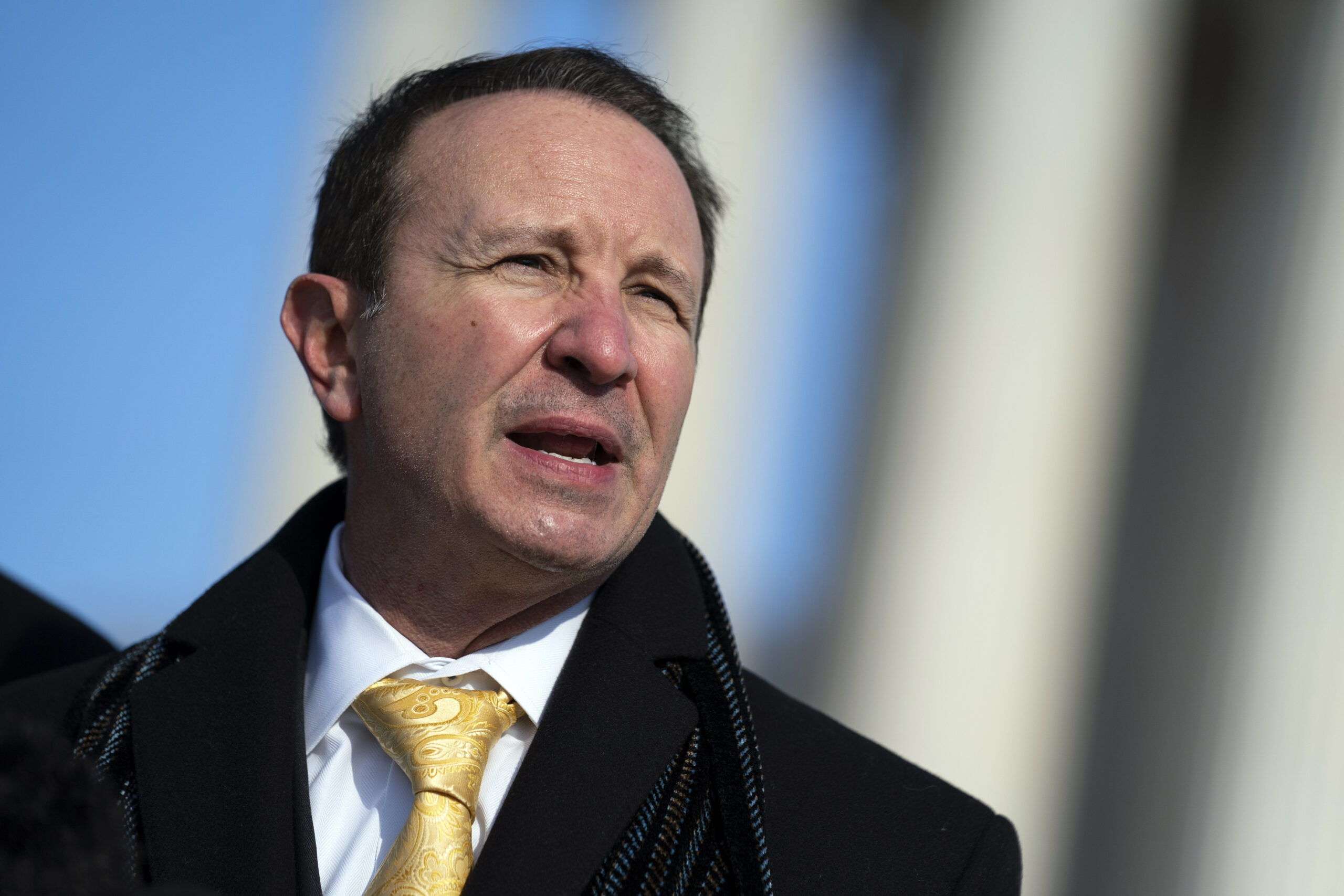
The state Senate sent the bill to GOP Gov. Jeff Landry, who is expected to approve it.
The new map was spurred by the Supreme Court’s decision to narrow the Voting Rights Act, which gave Louisiana the greenlight to redraw its majority-minority districts and kicked off new gerrymanders in other GOP-led southern states, like Tennessee.
Friday’s result is a major win for Landry and for President Donald Trump, further extending Republicans’ gains through mid-decade redistricting this cycle.
Rep. Cleo Fields’ (D-La.) district has been completely erased in the new map, while Rep. Troy Carter’s (D-La.) blue-leaning district has been redrawn to mostly mirror the seat he won in 2022.
Fields’ district snaked across the state from Shreveport to Baton Rouge, while Carter’s seat was largely based around New Orleans.
In order to pass the map for this year’s midterms, Landry used his executive authority to declare a state of emergency and canceled May primary elections for House races, something that has cost millions of dollars and led to widespread confusion. Louisiana’s House primaries will now take place on Nov. 3, with any necessary runoffs stretching to December.
Some GOP members of Louisiana’s congressional delegation were not pleased with the new map. Rep. Clay Higgins (R-La.) recently called it a “Frankenstein looking thing” that “was NO DOUBT drawn up by a very small handful of guys in a secret room.”
His post caught the attention of state House lawmakers when their chamber approved the map on Thursday. Louisiana Legislative Black Caucus Chair Edmond Jordan, a Democrat, joked on the House floor that “hell has frozen over” because he agreed with Higgins.
Louisiana’s one-seat gain comes as other states Georgia like and most recently South Carolina declined to pursue redistricting or put it on hold until the 2028 cycle. The redraw spree first kicked off last summer in Texas and has spread to 10 states, some of which are still held up in court.
There will almost certainly be legal challenges in Louisiana, and potentially from the same plaintiffs in Louisiana v. Callais, who have already argued in court filings that the one remaining Black-majority district is unconstitutional.
Aaron Pellish contributed.







Leave a Reply