
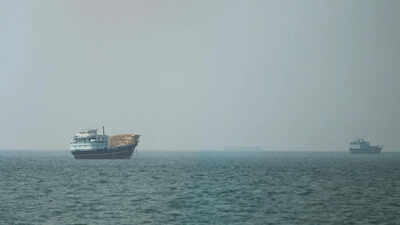
NEW DELHI: For tracking ships with Indian seafarers in conflict-hit West Asia, shipping minister Sarbananda Sonowal Tuesday directed maritime regulator DG Shipping to have a comprehensive vessel-by-vessel operational dashboard to account for every such ship, irrespective of their flags.The online dashboard — for tracking their movement in Persian Gulf, Strait of Hormuz and Gulf of Oman — will provide real-time information on vessel position, ownership, cargo, crew strength, crew welfare, threat assessment, intended voyage, next port of call and availability of food, fuel, medicines and communication facilities.This comes amid fresh strikes on two foreign-flagged commercial ships in the West Asia region that had 30 Indian seafarers.“The instructions are clear that every Indian seafarer has to be accounted for in this conflict zone. DG Shipping has been directed to ensure a liaison officer is appointed to look after the affected seafarers,” said an official. Shipping ministry said each liaison officer will serve as the single point of contact for families, coordinating medical updates, travel documentation, family assistance, repatriation, Seafarers Welfare Fund support, outstanding wages, contractual entitlements and other compensations.Sonowal was chairing a high-level inter-ministerial review meeting with officials from different ministries, representatives of Indian missions in Oman and Iran on the evolving security environment across Persian Gulf, Strait of Hormuz and Gulf of Oman. The meeting assessed risks facing Indian seafarers and evaluated India’s contingency and emergency response mechanisms.TOI has learnt that currently there are seven Indian-flagged ships in the west of Strait of Hormuz with 148 Indian seafarers and another five foreign-flagged vessels carrying fertiliser are bound for India.The minister also directed officials to work closely with Indian missions in Iran, Oman and the UAE, and other affected nations in the region, alongside MEA, to obtain verified and realtime information relating to navigational safety, coastal-state advisories, route status, port-of-refuge arrangements, hospitals, medical evacuation, repatriation procedures, mortal remains management and the status of ongoing investigations.“Every vessel movement through the affected region, the minister directed, must be undertaken only after a fresh threat assessment, the professional judgement of the ship’s master and close coordination with competent maritime authorities,” the ministry said.






Leave a Reply