
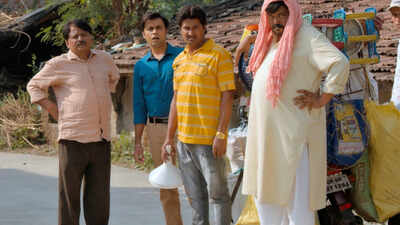
Once upon a time, the story of a protagonist could not begin until the train departed the station. The train had to leave the small town behind for them to “make it big”. Only cities with skyscrapers and picturesque skylines sheltered “ambitions”. The small towns they came from were reserved mostly for bouts of nostalgia and occasional flashbacks. The metropolis was where they became something. Until then, their story was not worth watching on screen.Indian screens ran on that city-bound journey for the better part of 50 years. The pandemic reversed that flow. Small towns and villages are no longer mere platforms that characters leave behind. Now, they are the places where stories are made, told and sold.
The rise and reign of streaming
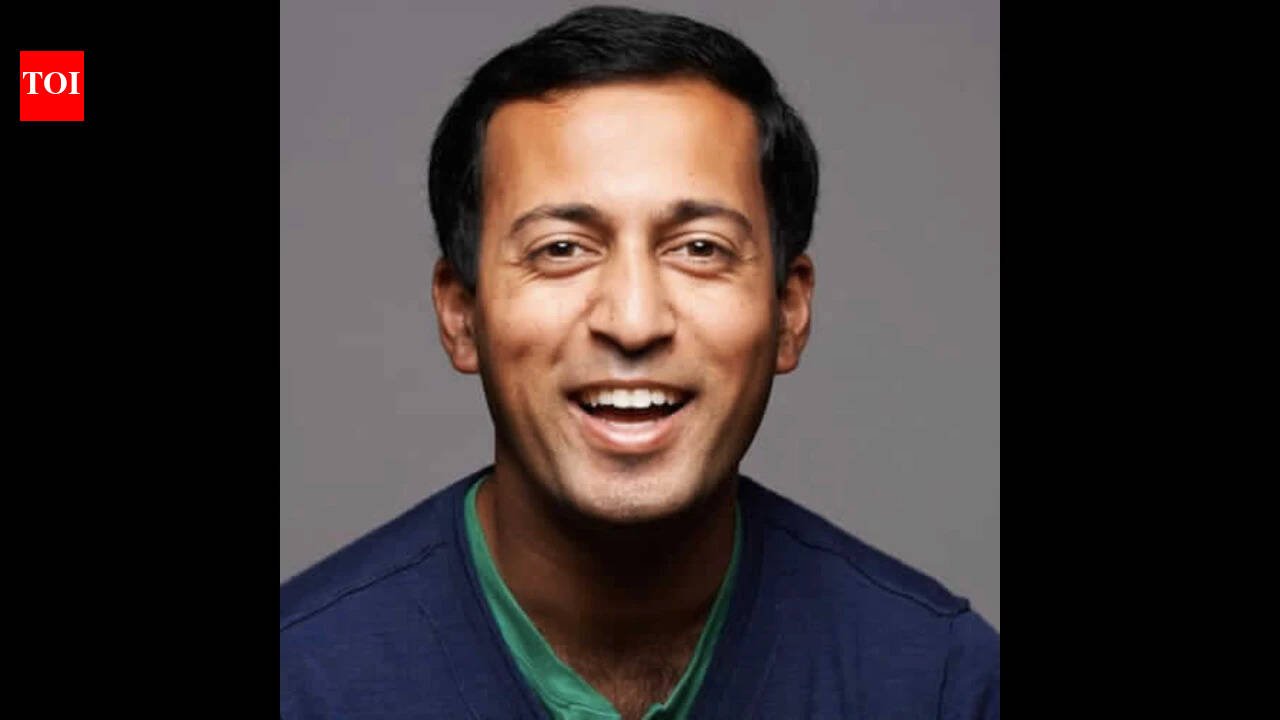
Initially, what helped Indian OTT platforms gain rapid access to the masses was affordable 4G mobile data. Then came the Covid-19 lockdown, and it became the ultimate catalyst for “OTT bingeing”: when you couldn’t go to the screens, the screens came to you.For quite some time, the platforms reserved space for stories about urban dwellers: studio apartments, startup struggles, high-rise buildings, glass ceilings, metro romances, heartbreaks and whatnot. Those stories occupied space on our screens, and there is no denying that we loved them — per square foot!But somewhere along the line, the novelty of those stories was lost in repetition and repackaging. The heart of storytelling began to shift its base to non-metro landscapes: the hinterlands. Small towns became the focal point instead of being overlooked or forgotten. Rural imagery started serving as the thematic backdrop.Most of those small-town stories found a home on OTT platforms, as though “the larger-than-life can take the theatrical space; small screens call for small-town stories” was the key to the compartmentalisation.One may look at it as a course correction on the platforms’ part. After all, the pandemic did not just expand India’s OTT audience; it fundamentally redistributed it. Boston Consulting Group’s December 2020 report found that new OTT-user growth in Tier 2, Tier 3 and Tier 4 markets was 1.5 times faster than in metros and Tier 1 cities during the pandemic and lockdown. Before the pandemic, around 90% of OTT users were concentrated in metro and Tier 1 cities, while only about 10% came from Tier 2, Tier 3 and Tier 4 markets.By 2022, the IAMAI–Kantar ICUBE Report estimated that India had 668 million OTT users, with 341 million, or 51%, living in rural India. Even within urban India, 61% of OTT users were outside the country’s nine largest metros. With deeper internet penetration, 55%, or 488 million, of India’s 886 million internet users were in rural India by 2024, and OTT platforms found their fastest-growing audiences in smaller towns and villages.This demographic shift helps explain why streaming services have invested heavily in stories rooted in India’s hinterland rather than confining themselves to metropolitan settings. The creators themselves readily confirm this.Richie Mehta, who directed ‘Delhi Crime’ and ‘Poacher’, puts the economics plainly. “Poacher was a bit of an outlier because of the budget of a series like that, coupled with the language of choice,” he says. “The platforms made a series like that viable, and without them, there’s simply no way Poacher would exist, along with my producers, QC Entertainment, who rolled the dice to finance the series, knowing that platforms would acquire it in this new market.”That is not a director describing a mere creative awakening or an artistic impulse. That is a director describing a financing structure that did not previously exist, and a market that arrived to meet it.
The heart and humour of the hinterland
During the pandemic, ‘Panchayat’ was the dramedy we found comfort in. One of TVF’s, or The Viral Fever’s, crown jewels, it follows Abhishek Tripathi, played by Jitendra Kumar, aka Sachiv Ji, an urban engineering graduate with corporate ambitions but no job offers, who takes up a job in a remote, fictional village called Phulera. Despite his occasional frustrations with settling into a much less “happening” village life, the show pulls us in as the mundane yet quirky realities of rural India begin to settle in like a comfortable cushion.Vijay Koshy, president of The Viral Fever, locates the shift in audience preferences during the pandemic. “During the pandemic, people slowed down and started looking for stories that felt familiar,” he tells The Times of India. “Small-town stories offered that warmth without being overly dramatic.”‘Panchayat’s’ first season premiered on Prime Video just weeks after the lockdown began, which was either fortunate timing or a demonstration that the audience was already there and waiting. “Audiences have also become more open to different kinds of stories, thanks to OTT and exposure to global content. Earlier, many rural settings were shown through stereotypes. Today, creators are telling stories with a little more authenticity,” Koshy explains.
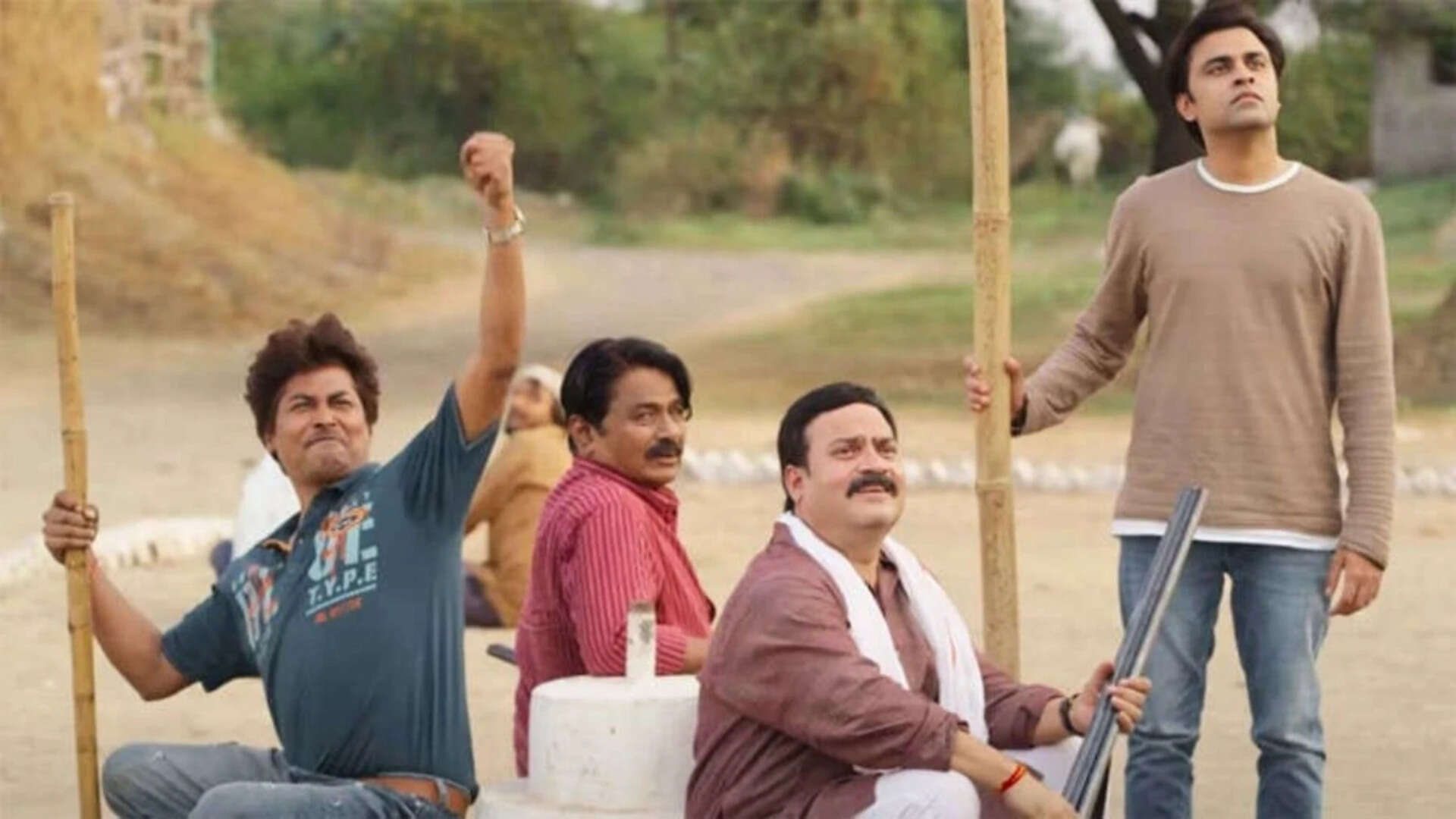
A scene from Panchayat.Image courtesy: Instagram
What ‘Panchayat’ does well is exactly that: it refuses to sentimentalise the “poor” infrastructure and sticks to authenticity. In Phulera, governance is not in good shape, the administration is overwhelmed and the roads are what they are.But, Koshy says, “The beauty of Panchayat is that it has never tried too hard to impress people. It stays honest to its world. Every character in Panchayat feels like someone you have met or grown up around. We all know a character like Banrakas or Binod in our lives. Viewers have become so emotionally invested that ‘Dekh Raha Hai Binod’ is a catchphrase in popular culture.”Indeed, the warmth is in the people, not the place, which is a harder trick.“They [simple stories] are actually very difficult to write because there’s nothing to hide behind. You can’t depend on twists or some kind of gimmick to keep people watching. Every scene and every character must feel genuine and fit within the natural progression of the story. The challenge is finding depth in everyday moments,” Koshy spills the beans.“If you think about it, everyday life is stuck in a routine. So how do you find something interesting there? You need emotions of all kinds, and if you can pepper them with humour, it helps the audience find a greater reason to remain connected.”‘Panchayat’ nails the slice-of-life genre almost to a T; no wonder the show has survived four seasons where its imitators have not. It invites us into a world, albeit fictional, where life is made up of very real micro-joys despite the hardships. Shows like ‘Gullak’, ‘Gram Chikitsalaya’ and ‘Dupahiya’ carry the flag forward.Why does this “simplicity” formula work time and again?“Good writing is the backbone,” Koshy reveals. “Basu Chatterjee and Hrishikesh Mukherjee were masters of middle cinema — heartfelt, slice-of-life stories that celebrated relationships, humour and everyday emotions. Their films proved that simple, relatable narratives rooted in middle-class India could be both critically acclaimed and immensely popular. Then, over time, mainstream Indian entertainment often celebrated exceptional lives and opulent circumstances,” he continues.“TVF chose to focus on the former — on ordinary people navigating extraordinary challenges in everyday situations. What we perhaps recognised was that there was a large audience whose lives, ambitions and everyday realities were not being reflected with enough authenticity on screen.”Talking about what makes these slice-of-life shows so widely accepted and appreciated, Koshy affirms, “The audience doesn’t just watch these stories; they see their own lives reflected in them. These stories may seem small on the surface, but they touch on emotions that are deeply universal.”
Expanding the horizons: The dark turn
That universality exists beyond the periphery of heart and humour. Stories of the hinterland are more than just little pleasures and micro-joys. The small-town spectrum is anything but micro or little: where there is comfort, there are neo-noirs too.‘Sacred Games’ opened the door to crime thrillers, albeit in Mumbai, and established a blueprint for what OTT audiences would consume. A “rage” for a reason, the Anurag Kashyap and Vikramaditya Motwane directorial was unsanitised and had its own brand of dark glamour. It made a case for the audience’s tolerance for moral murk and real violence, with no redemptive closing arc.What ‘Sacred Games’ had begun, ‘Mirzapur’ turned into a sensation.Kaleen Bhaiya’s carpet business and the web of power and succession politics turned a quaint small town into a crime headquarters where rivalries, betrayal and ruthless vengeance became regular events. Not only did ‘Mirzapur’ earn cult status, with a legion of memes as proof of its legitimacy, but it also broke the common mould of small-town imagery in India. Survival is not solely an urban virtue, nor is legacy an ambition fostered only by the city elite.‘Mirzapur’ was not a lone wolf. ‘Paatal Lok’ followed in its footsteps, nominally set in Delhi and Punjab — and the Northeastern states in Season 2 — but narratively tethered to the hinterlands its characters came from and could not leave behind.
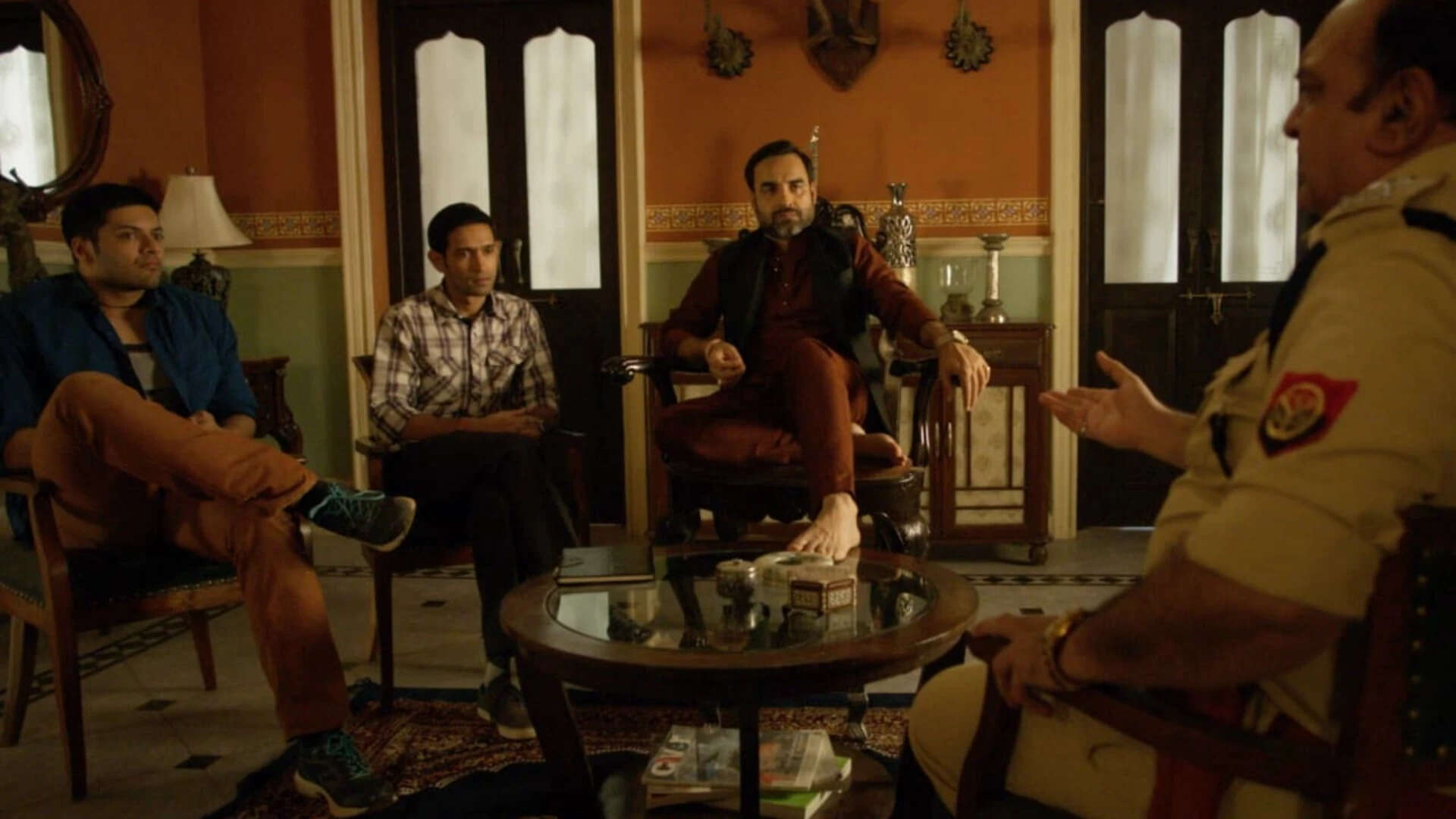
A scene from Mirzapur.Image courtesy: Instagram
‘Kohhra’ and ‘Guns & Gulaabs’ extended the register.One reason these noir dramas strike a chord despite their turbulence is the authenticity they present. The characters are not polished, the moral lines are blurred and the storytelling is not filtered for the sake of palatability. These stories resonate with audiences because they hold up a mirror. They refuse to be reduced to linear plotlines or to sugarcoat harsh realities.Two shows deserve a closer look because each is anchored in something already documented.‘Aashram’ builds its story around a corrupt, greedy and exploitative self-proclaimed godman who uses political protection to shield his illicit operations and silence his victims, a structure Indian readers can match to specific cases without much effort.‘Jamtara: Sabka Number Ayega’ takes the Jharkhand district known as India’s phishing capital and asks the more useful question beneath the cybercrimes and scams: what does the fractured local economy offer a young man chasing riches?Mehta reads the appetite as a saturation effect. “Perhaps the urban narrative is reaching a boiling point, whereby urban crime stories or family dramas are no longer as novel as they used to be,” he reasons.“The appetite for stories rooted in places beyond the metro is increasing, and as a result, it inspires creators like me to immerse ourselves in worlds we never would have gone into and discover stories that are not commonly spoken of.”
Bridging the ‘culture’ gap, exploring languages and regions
While Hindi shows are grabbing attention, regional works are not falling behind either. One would do well to remember the Bong Joon-ho sermon here.In Bengali, show creators as well as producers are exploring different genres and untapped storytelling styles.Abhrajit Sen’s ‘Dakghor’ sends a city-bred postmaster into a remote village and then declines to treat the village merely as scenery. Damodar Das, played by Suhotra Mukhopadhyay, navigates a world of ghosts, local deities and accumulated customs that operates by its own logic and is never condescended to. ‘Dakghor’ essentially unfolds before us as a world of forgotten simplicities.
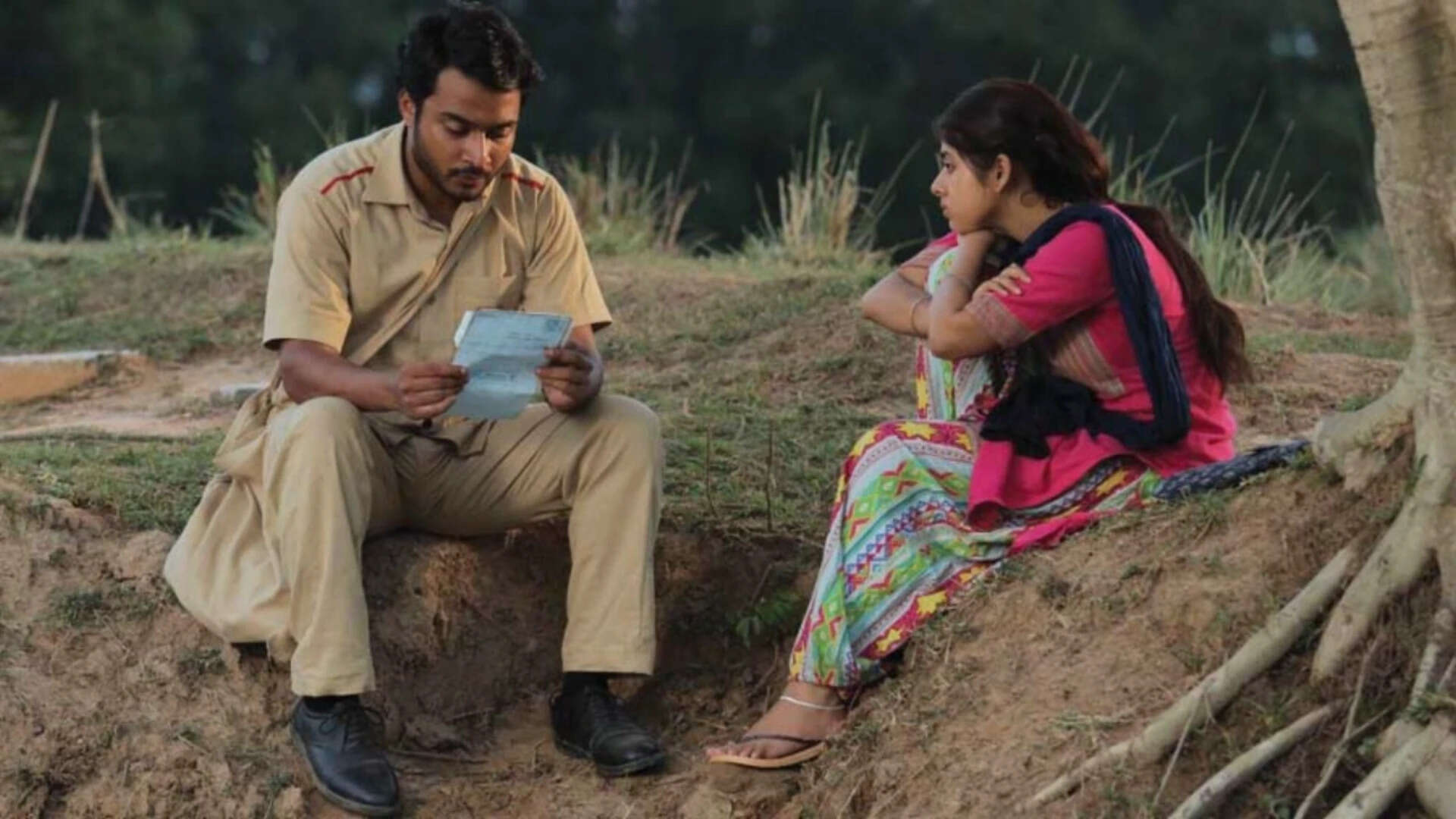
A scene from Dakghor.Image courtesy: Instagram
Sen is sharp on why the setting travels. “In the cities, our eyes and brains have gotten so used to the world of concrete that even an hour away from that clutter feels like a dopamine rush,” he says.But he does not think the appeal is the scenery. “No matter where you are from — a village, a small town or even the city itself — human emotions are universal. When a story stays rooted in that truth, when it touches that nerve that reminds us of the beauty of human connection and their conversations — that makes it click.”Sen, who has shows like ‘Antormahal’ and ‘Ronkini Bhavan’ to his credit, raises another important point: “Even if you’re unaware of the local culture and customs, you could still relate to someone’s anger, joy, grief, love, heartbreak and disappointment. For a story to work, it doesn’t need a specific genre; it needs authentic emotions in place.”Nirjhar Mitra’s six-episode limited series ‘Dainee’ ventures into the grey and grimmer areas of human emotions and presents a no-nonsense, edge-of-your-seat survival thriller in which two estranged sisters navigate the dark realities of witch-hunting and deep-rooted superstitions in rural India.“The topic was unpopular, but equally sensitive. The story needed to be told,” Mitra explains, giving the reason behind picking such a jolt of a story.
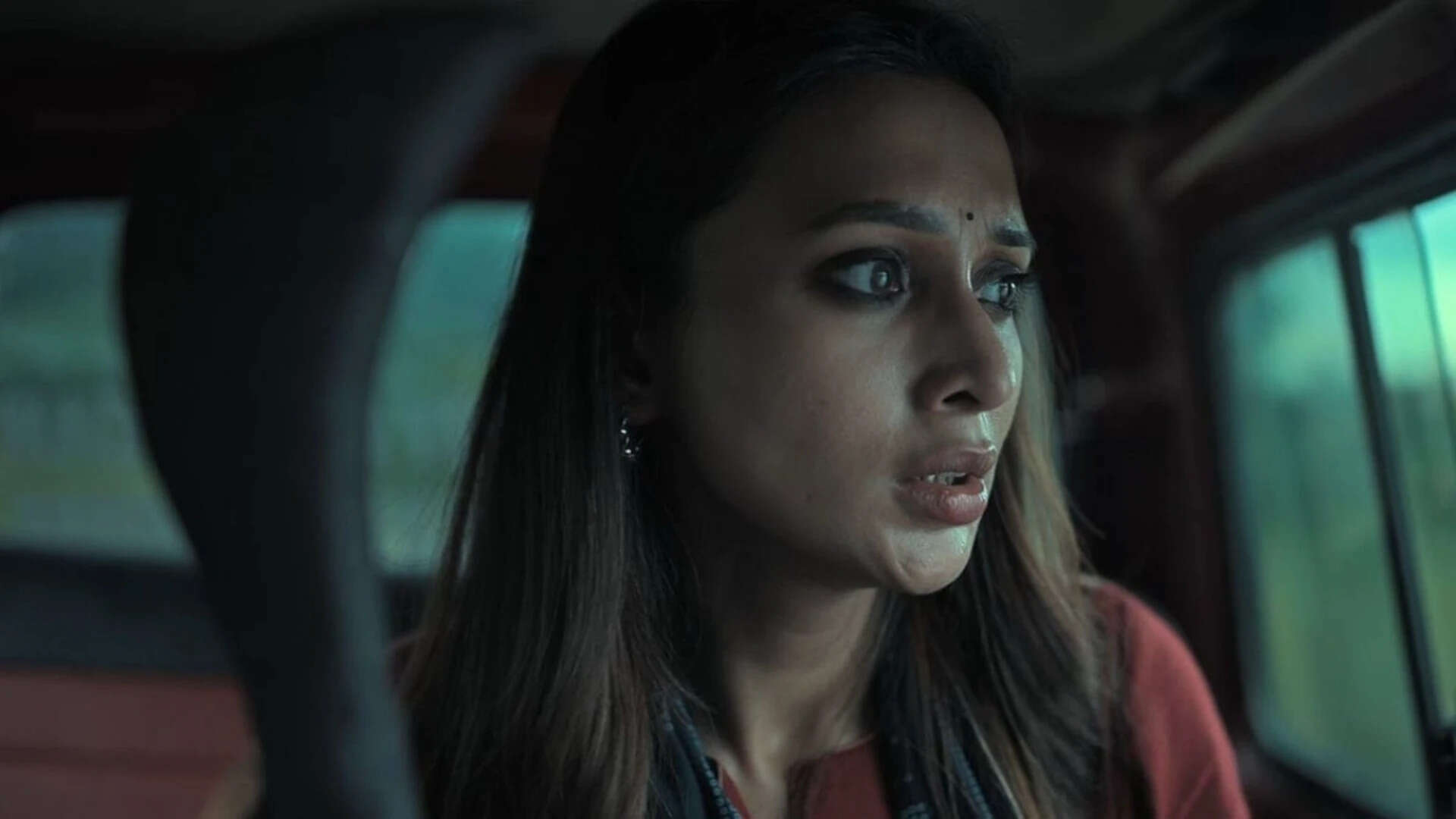
A scene from Dainee.Image courtesy: Instagram
“It’s never easy to try to work on a kind of story that hasn’t been done before. More so when it’s a genre that has not been cultivated much in fiction. But when you present a story in a manner that does justice to the idea behind it, you can count on the audience to respond to that.”He is unsentimental about the violence too. “At the end of the day, fear, jealousy and even malice aren’t alien to us. We can’t disown the grey space. And as for the violence, unfortunately, that also is part of the rural reality.”
The pursuit of possibility
What has helped hinterland stories find a wide urban audience is the sheer range of possibilities they hold. For years, Indian storytelling stereotyped narratives and diminished nuance for the sake of gloss. It rounded the edges, smoothed the frictions and sometimes even offered road trips as swift resolutions.Mainstream commercial projects have ignored perspectives that come from unnamed and unfamed places. With several OTT platforms in the game, creators are keen to explore the varied avenues that exist beyond the sheen of metro cities. The storytelling circle has grown significantly bigger; hence, more layers have found a seat within it.Richie Mehta’s ‘Poacher’ is a shining example: a dramatised portrayal of “Operation Shikar”, bringing the dangerous and tragic world of illegal wildlife crime and ivory poaching in India into focus.Earlier, such topics were meant for more serious formats, like documentaries. But Mehta admits, “I felt that a documentary format may not capture the sense of adventure and courage that they [the real wildlife crime fighters] embody. It inspired me to play into my own wheelhouse — to tell a dramatic story about them, with the hope that young people would be inspired to follow in their footsteps if they felt compelled to do something to protect wildlife.”
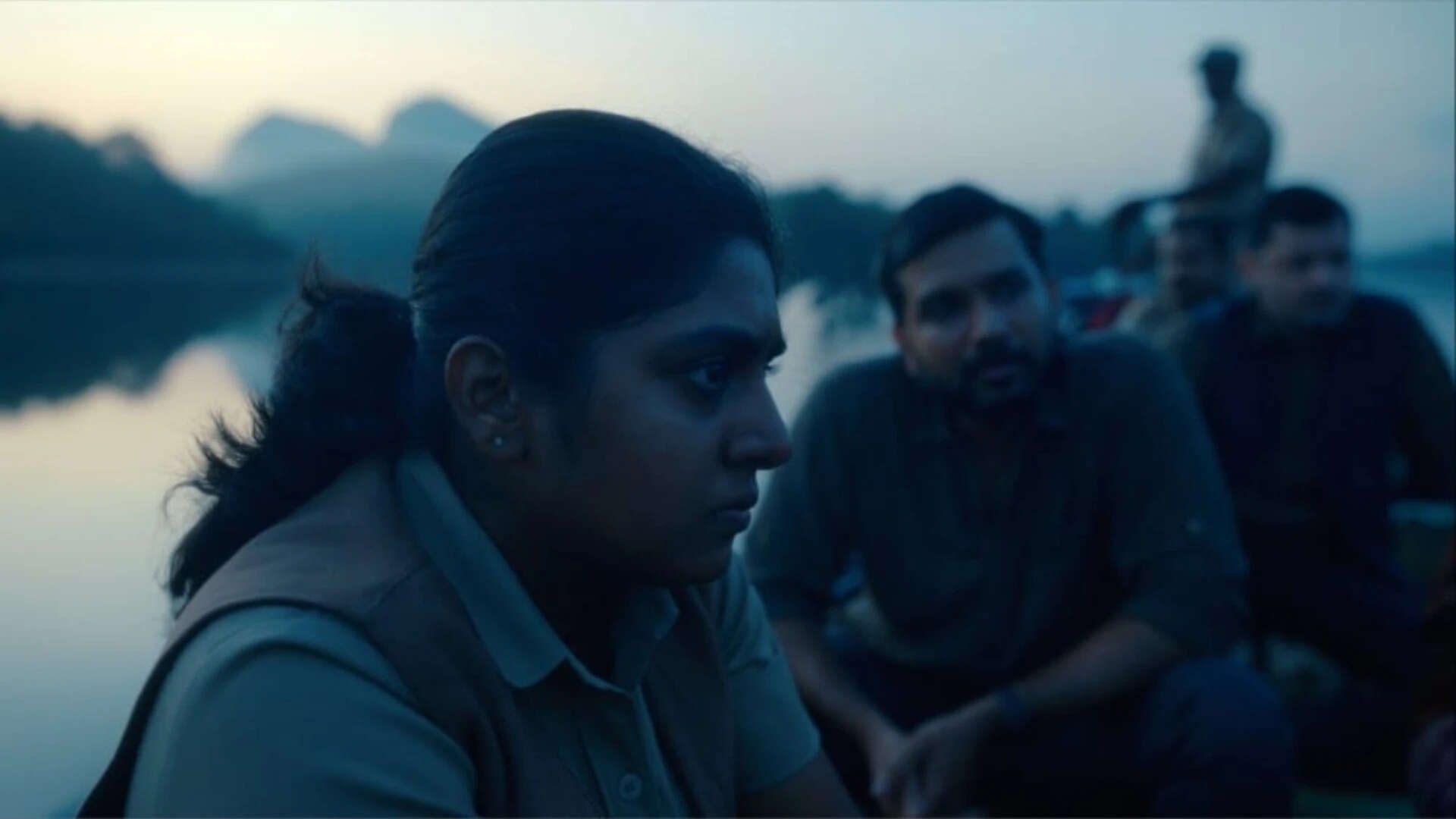
A scene from Poacher.Image courtesy: Instagram
Thanks to the platform that OTT now provides, a show as region-specific and rooted as ‘Poacher’ has had a “global impact”.Mehta tells TOI, “The series is still being referred to around the world; people are still discovering it. I have to tip my hat to Amazon Prime in this regard; they really did right by the series.”
What does the future of storytelling hold?
What makes OTT platforms ideal for the lesser-explored aspects of human emotions and everyday stories is the space they provide. Because the soil across the hinterland is far from uniform, they expand the landscape, making room for both warmth and vengeance, ambition and compassion, hardship and humour, rebellion and kindness.Will this “trend” stand the test of time?“I think there’s no going back,” Mehta says optimistically. “Sure, there will always be the blue-chip superhero and spy stories, boomeranging around the country’s metros, but I feel the new frontiers are the spaces that audiences don’t consider enough, and that space has limitless adventure, coupled with social significance, tied to it.”Meanwhile, Koshy believes, “Good stories are never a phase.”He says, “Today, audiences are willing to watch stories from every corner of the country as long as they are told well. Rural stories have found their space because they offer a fresh perspective, not because they’re trendy. Tomorrow, another setting may become popular, but what will always last is authentic storytelling.”His two cents? “If a story is honest, emotionally engaging and rooted in great characters — whether urban or rural — audiences will connect with it, no matter where it is set.”And that perhaps is the most vital shift the streaming space has brought about: stories do not need to run outward, chasing some curated aesthetic or perfection. Sometimes, the best stories already exist where we are; waiting to be seen, heard, and told.A good storyteller simply knows where to look.


Leave a Reply