
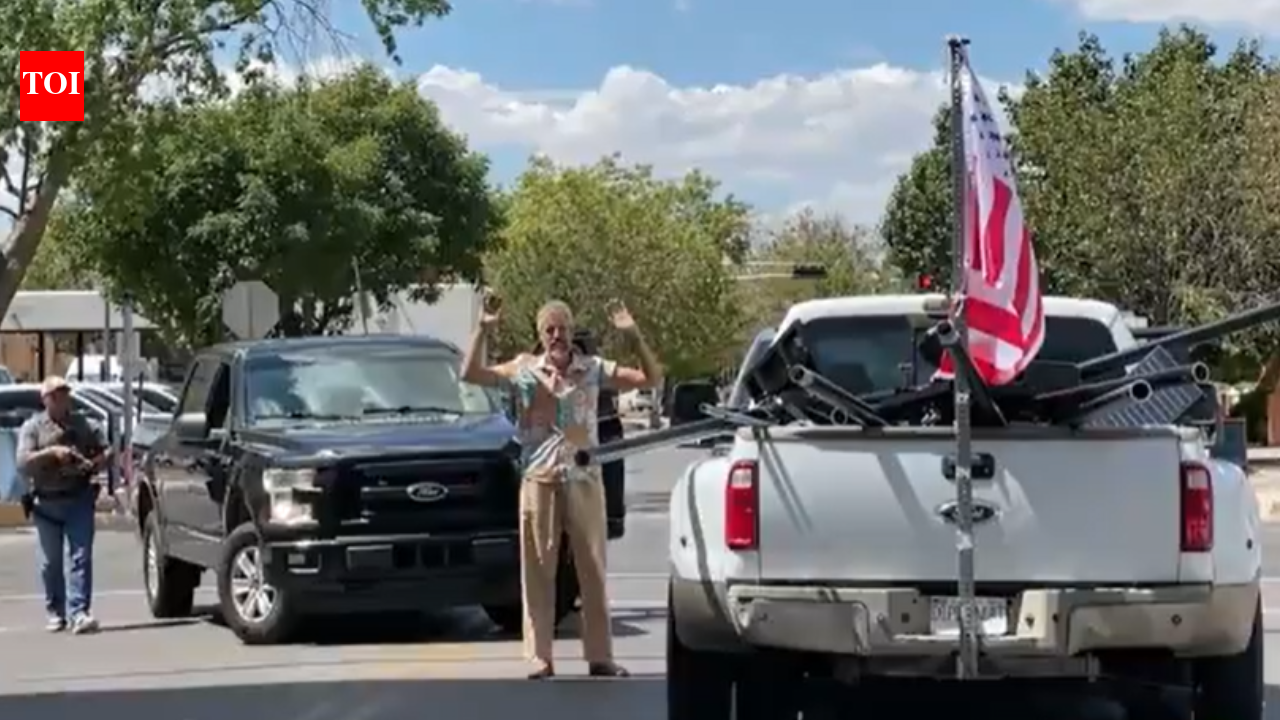
A New Mexico man was arrested after allegedly taking down Flock Safety surveillance cameras, loading the equipment into his pickup truck and driving directly to the Bernalillo County Sheriff’s Office headquarters, where he said he was returning the cameras. Jevon Martinez of Rio Rancho has previously faced felony charges after authorities accused him of removing and damaging Flock cameras in the city. His latest arrest comes days after Bernalillo County Sheriff John Allen announced that his office was ending its contracts with Flock Safety amid concerns over data privacy and how information collected by the company could be accessed and handled. Martinez has publicly criticised the cameras, which use automated licence-plate recognition technology to record vehicle movements, and has said he considers them a threat to public safety and privacy.
New Mexico man removed cameras and drove them to sheriff’s headquarters
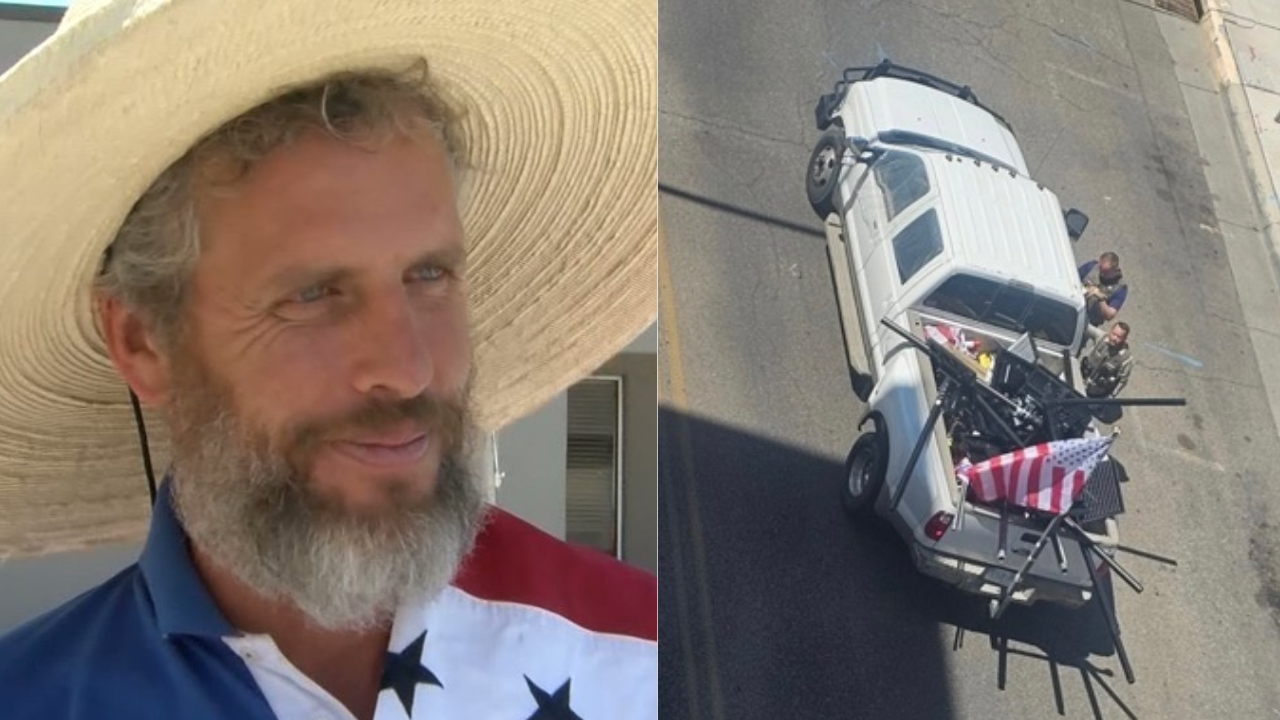
Martinez was arrested in Albuquerque after authorities encountered him with Flock cameras and related equipment in the bed of his pickup truck. According to reports on the incident, Martinez had been removing cameras in Bernalillo County and documenting his actions on Facebook Live. He then drove to the sheriff’s headquarters with the equipment, where deputies and detectives contacted him before taking him into custody. Martinez has maintained that he was not simply stealing the equipment and said he intended to return the cameras to law enforcement. The circumstances surrounding the latest incident remain under investigation, meaning claims about exactly what happened to each camera should be attributed to investigators or Martinez rather than presented as established facts.
Martinez has previously targeted Flock cameras
The latest arrest follows an earlier confrontation between Martinez and Flock equipment in Rio Rancho. In May 2026, police investigated multiple damaged Flock cameras and missing equipment. Authorities said at least three cameras had been damaged or destroyed and that solar panels connected to the equipment had also been removed. Flags were reportedly placed on some of the camera poles, including one carrying a message referring to the “Republic of New Mexico”. Investigators later connected Martinez to the incidents and said they found flags in his vehicle resembling those placed at the camera locations. Police also said Martinez had recorded videos connected to the incidents on his phone.
Earlier case resulted in multiple felony charges
The Rio Rancho investigation led to nine felony charges, according to local reporting. Martinez was accused of three counts of larceny, three counts of criminal damage to property and three counts of tampering with evidence. Authorities estimated the damage at more than $20,000. Martinez was later released while awaiting proceedings, with conditions imposed on him. The allegations from that case have not established guilt by themselves, and the charges should therefore be described as accusations unless and until resolved by a court.
Martinez had vowed to keep removing the cameras
The dispute continued into the summer, when Martinez spoke publicly about his opposition to the surveillance system. During a court-related appearance, he was asked whether he intended to continue removing Flock cameras and reportedly answered, “Absolutely”. He described the cameras as a threat to public safety and privacy. His position has been that removing the equipment is justified because of the amount of information the technology can collect about people’s movements. Authorities, however, have treated the physical removal and alleged damage of the equipment as criminal matters.
Sheriff’s office was already ending its Flock contracts
The latest incident occurred against the backdrop of a major policy decision by Bernalillo County Sheriff John Allen. The sheriff recently announced that the BCSO would terminate its three contracts with Flock Safety, citing concerns over privacy and the protection of data collected through the system. The contracts covered automatic licence-plate reader cameras, speed cameras connected to the Flock network and gunshot-detection technology. The decision does not mean the sheriff’s office has rejected surveillance technology altogether. Allen has indicated that he still sees value in such tools but wants stronger safeguards around how information is collected, accessed and shared.
Data access became a major concern
One of the issues surrounding Flock in New Mexico is who can access information collected by automated licence-plate readers. Such systems can create records showing when and where vehicles have been observed, allowing authorised investigators to search historical sightings. Privacy advocates have raised concerns that information collected in one jurisdiction could potentially be accessed by agencies elsewhere. Reporting based on public-records requests has highlighted instances in which New Mexico licence-plate-reader data was accessed by law-enforcement agencies outside the state.Sheriff Allen has also expressed concern about agencies that have connections to federal immigration enforcement. BCSO had taken steps to restrict access to its data by certain outside agencies, underscoring the broader dispute over whether local surveillance information should be available beyond the jurisdiction that collected it.
Flock cameras use automated licence-plate recognition
Flock Safety’s cameras are designed to automatically capture images of passing vehicles and identify licence plates. The system can also record other characteristics of a vehicle, allowing investigators to search for vehicles based on information beyond the plate number itself. Supporters say the technology can help police investigate crimes, locate stolen vehicles and identify vehicles associated with suspects.Privacy advocates argue that the same capability can create a detailed record of people’s movements even when they have not been accused of wrongdoing. That tension has made automated licence-plate recognition one of the most controversial forms of modern police surveillance in the US.
Privacy debate extends beyond New Mexico
The controversy surrounding Martinez is part of a much wider debate over Flock Safety and automated licence-plate readers across the US. Cameras have been installed in thousands of communities, creating extensive networks of searchable vehicle data. In several states, individuals and activists have damaged, obstructed or removed cameras in protest against what they describe as mass surveillance.A major investigation by The Washington Post also documented cases in which law-enforcement personnel allegedly misused licence-plate-reader systems to track people for personal reasons. Such incidents have intensified questions about whether agencies have sufficient controls over who can search surveillance databases and what purposes qualify as legitimate.







Leave a Reply