
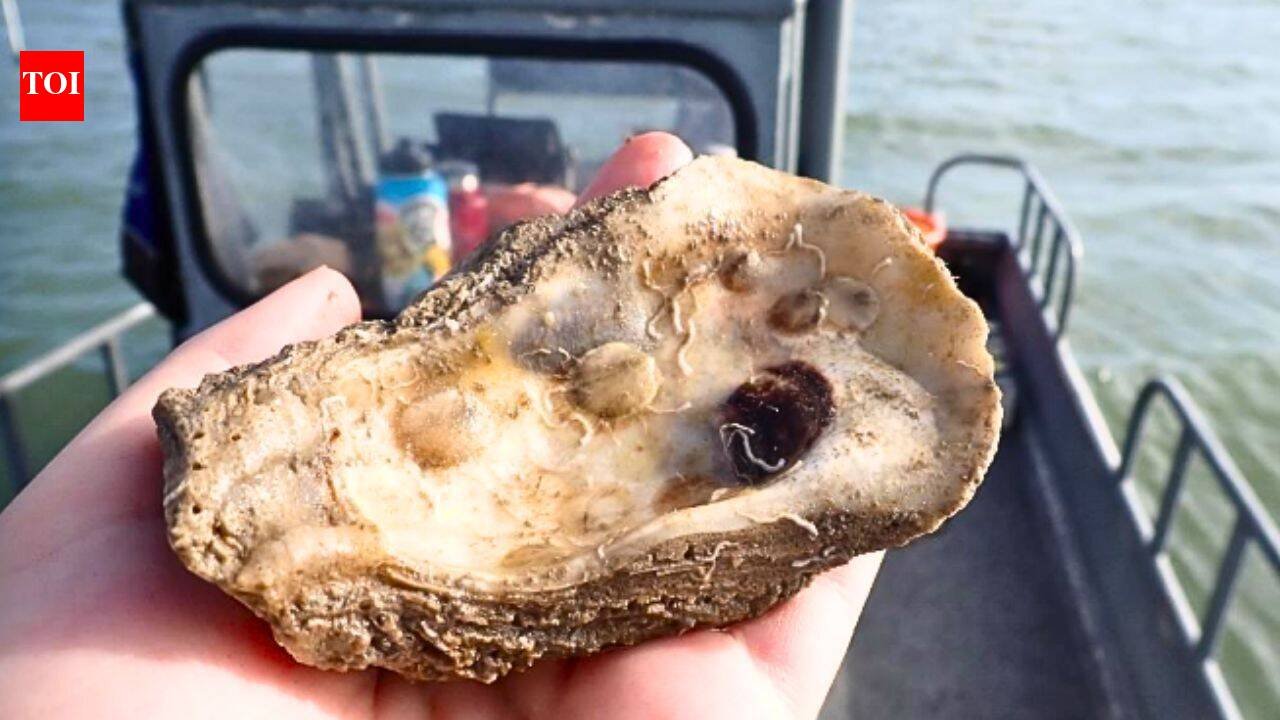
Discarded oyster shells are being given a second life along the Texas coast, where researchers used them to rebuild reefs. A final report describes how the ‘Sink Your Shucks’ programme collected more than 650,000 pounds of shells from restaurants and oyster farms during the period. Reclaimed shells, once quarantined, were used in restoration projects, including 4.5 acres of oyster reef built in St. Charles Bay in May 2022, which expanded an existing restoration area to 18 acres. According to Texas A&M University Corpus Christi, the project also involved local communities, with volunteers placing recycled shells into mesh bags. Monitoring found that oysters began settling on the newly built reefs soon after construction and grew rapidly during the two-year study.
How recycled oyster shells helped rebuild 4.5 acres of Texas reef
The project addressed a key challenge in oyster reef restoration that shells are needed to rebuild reefs, but suitable material can be limited and costly. The ‘Sink Your Shucks’ programme helped solve this by collecting discarded shells from seafood businesses and redirecting them to restoration sites. During the project, the programme grew from two restaurant contributors to 10 restaurant partners and three oyster farms. Shells were collected one to three times a week and transported to a stockpile at the Port of Corpus Christi. They were then quarantined for at least six months before being used for restoration. By the end of the project, more than 650,000 pounds of oyster shells had been reclaimed, nearly three times the original target of 225,000 pounds.
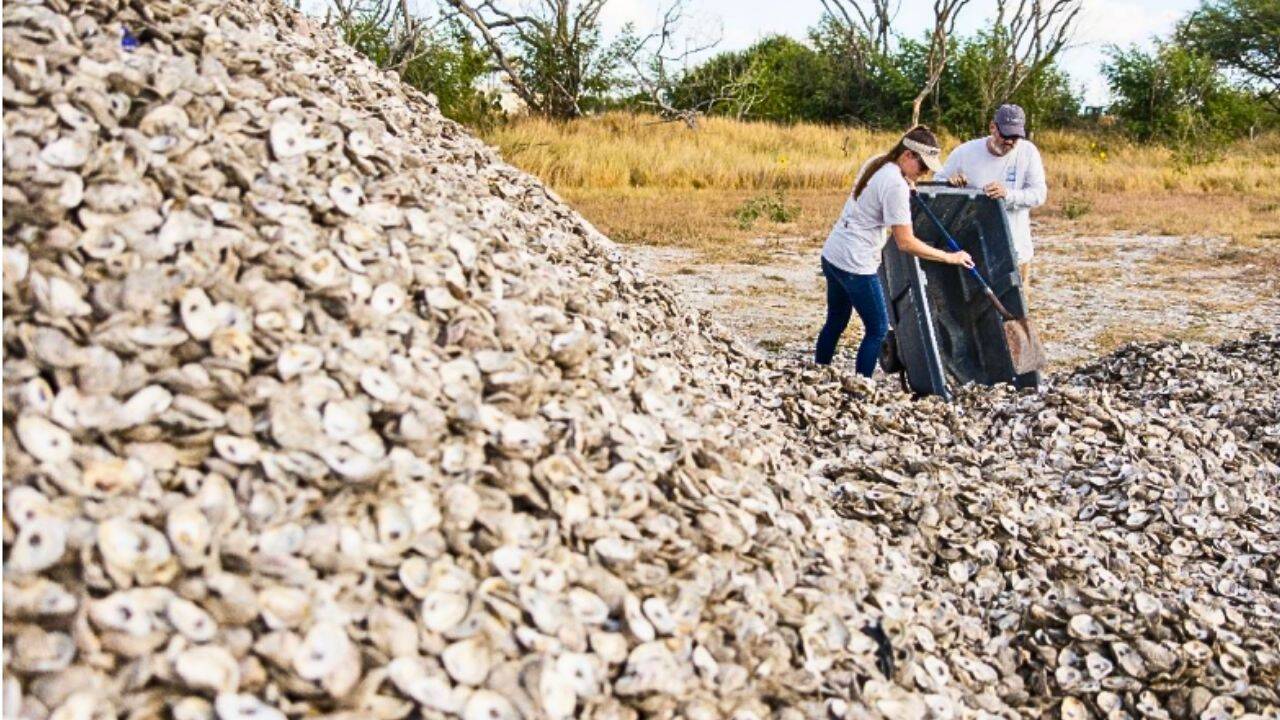
PC: Texas A&M University Corpus Christi
How recycled oyster shells helped build new reefs in St. Charles Bay
In May 2022, the project used recycled oyster shells to build 4.5 acres of intertidal and subtidal reef in St. Charles Bay. This expanded an existing restoration area to 18 acres. Researchers then placed sampling trays at six sites to track oyster settlement and growth. During the first three months, oysters on the intertidal reefs grew at an average rate of 0.97 millimetres per day, compared with 0.95 millimetres per day on the subtidal reefs. The number of oysters increased over time at both reef types, although the subtidal sites recorded higher densities. Oysters began settling on the newly built reefs soon after construction. Six months later, the subtidal reefs had an average of 286 oysters per tray, while the intertidal reefs recorded an average of 51 oysters per tray after 12 months.
Why oyster reefs matter for Texas coastal ecosystems
Oyster reefs serve several important roles along the Texas coast. The report says they can help buffer storm surges, improve water quality, and provide habitat. They also support seafood, tourism, and recreation. St. Charles Bay is closed to commercial oyster harvesting, which allows restored oyster populations to develop without commercial harvesting pressure.The project also placed reefs near an eroding marsh shoreline beside Goose Island State Park. The marsh is home to the world’s only flock of migrating whooping cranes. By placing reef structures along vulnerable sections of the coast, the project aimed to help slow shoreline erosion while supporting oyster reef recovery. The restored areas also provide suitable conditions for oyster larvae to settle and grow naturally in the bay.
How communities became part of the oyster reef restoration effort
The programme also involved local communities in the restoration work. In 2024, two events at Goose Island State Park brought together 250 people. Participants helped place 20 tons of recycled oyster shells into 3,000 cotton mesh bags. These bags were used to form new reefs along a vulnerable shoreline near the fishing pier. The programme also reached people who could not travel to Rockport through schools, festivals and local programmes. Educational activities explained how oysters filter water and provide habitat. The report says these activities helped increase awareness and stewardship of coastal resources. By combining shell collection, reef construction, monitoring and public participation, the programme linked discarded oyster shells with reef restoration along the Texas coast.







Leave a Reply