
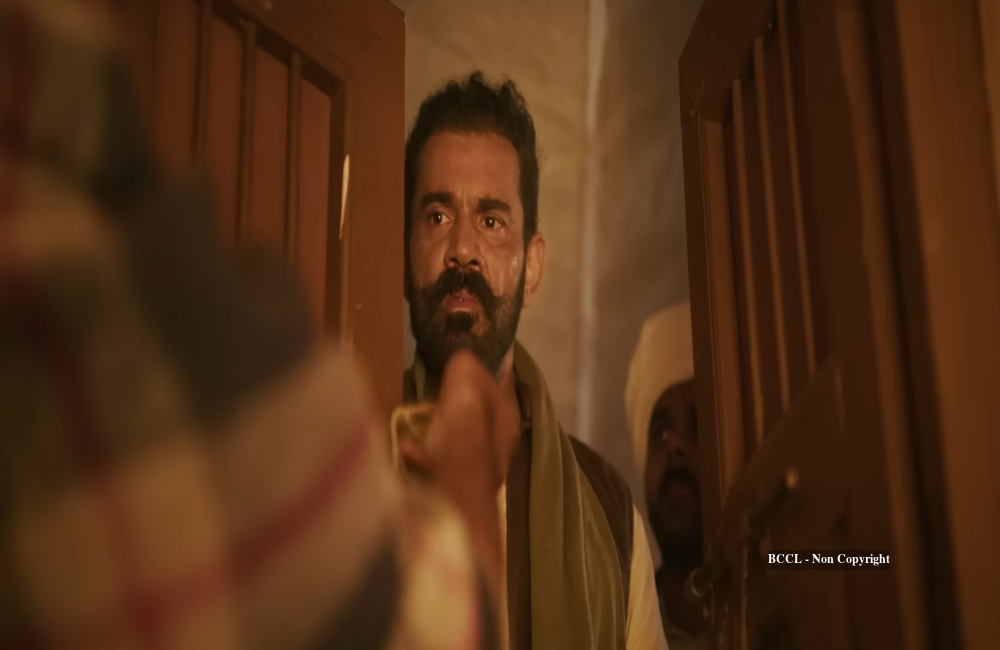
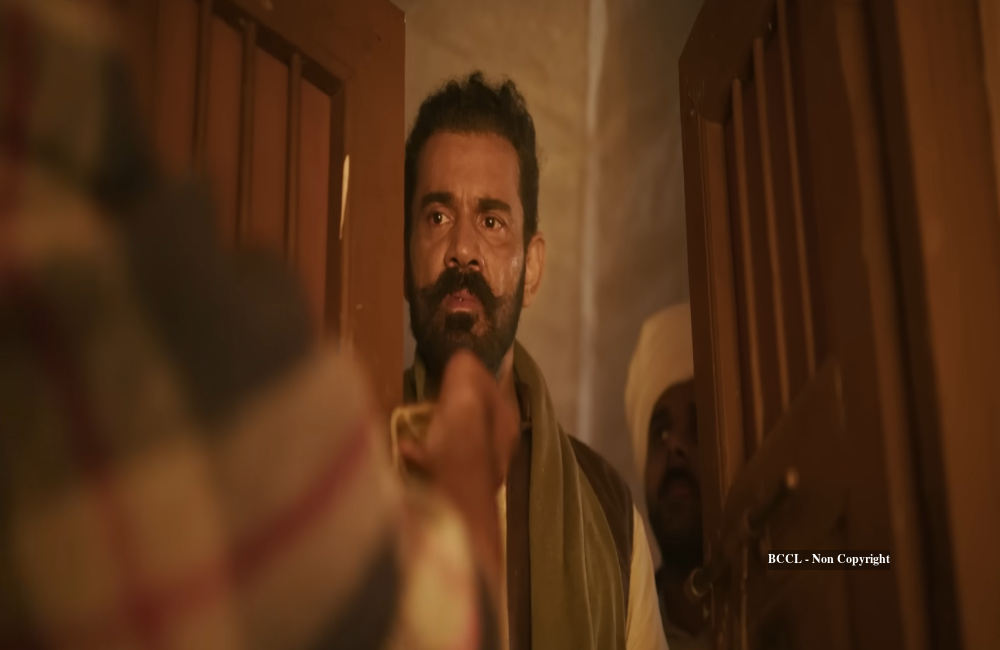
Story: After losing his mother, a grieving boy seeks God, only to discover divinity through selfless service. His miracles of love, food and compassion transform him into Neem Karoli Baba. Review: At a time when mainstream cinema is increasingly drawn towards scale and spectacle, Hanuman Ansh takes a quieter, more contemplative route. Written and directed by Vishal Chaturvedi and inspired by the life and teachings of Neeb Karori Baba, popularly known as Neem Karoli Baba, the film is based on Divine Detour: That Changed My Life. Rather than presenting a conventional biopic, it focuses on the spiritual philosophy behind the saint’s life — that love, compassion and seva can become a path to the divine. The story begins with Lakshman Das, a young boy devastated by the loss of his mother. His grief sets him on a search for God, which gradually evolves into a spiritual journey leading him towards Neem Karoli Baba. This is an effective emotional entry point because the film doesn’t require the viewer to be familiar with its subject. Lakshman’s grief and his search for meaning are universal, giving the story an accessibility that extends beyond a devotional audience. The film’s strongest idea is also its most grounded: spirituality is not necessarily about miracles, but about how one treats other people. Feeding the hungry, helping those in distress and serving without expectation become more significant than the supernatural episodes. This gives Hanuman Ansh an emotional core and keeps it from becoming a conventional saint biopic built around extraordinary events. Importantly, the film doesn’t constantly sermonise. Its message emerges through actions and relationships rather than lengthy explanations. When it concentrates on the human side of faith — loss, longing, compassion and the need to believe in something larger than oneself — it is at its most affecting. Shobhinaw Satyaa is a major strength as Neem Karoli Baba. He avoids the obvious pitfalls of playing a revered spiritual figure, never resorting to exaggerated mannerisms or theatrical solemnity. Instead, he relies on stillness, pauses and expressive silences. His restrained performance creates a sense of presence without constantly demanding attention, and some of his quietest moments prove more effective than the film’s overtly miraculous sequences. Vishal Chaturvedi also deserves credit for resisting the temptation to inflate the material. The modest scale suits the subject, allowing the film to retain an intimate quality. The direction is unobtrusive, letting the characters and their experiences carry the emotional weight rather than forcing spirituality through visual grandeur. That restraint, however, occasionally works against the film. The pacing is deliberate to the point of being sluggish in places, and some sequences feel more like illustrative episodes than dramatically developed scenes. The narrative can sometimes resemble a collection of spiritual anecdotes rather than a tightly constructed cinematic journey. Viewers unfamiliar with Neem Karoli Baba or less inclined towards devotional cinema may therefore find the middle portions slow-going. The music and soundscape complement the film’s reflective mood without overpowering the narrative. The devotional elements feel reasonably integrated into the storytelling, reinforcing its atmosphere rather than functioning merely as emotional cues. Where Hanuman Ansh succeeds is in its sincerity. It doesn’t try to turn Neem Karoli Baba into a larger-than-life cinematic hero, nor does it depend entirely on miracles to establish his spiritual stature. Instead, it finds greater value in the everyday acts of compassion that defined his philosophy. The film’s most resonant thought is that serving humanity can itself be an expression of faith. The result is a film that is emotionally sincere but not always dramatically compelling. Its measured pace and episodic structure prevent it from becoming a fully immersive biographical drama, but the conviction behind its message and Shobhinaw Satyaa’s understated performance give it considerable warmth. Hanuman Ansh is ultimately less a conventional biopic than a spiritual reflection on grief, faith and service. It won’t work equally well for viewers looking for pace or conventional dramatic highs, but those willing to settle into its contemplative rhythm will find a film that leaves behind a simple, humane message: love, serve and have faith.







Leave a Reply