
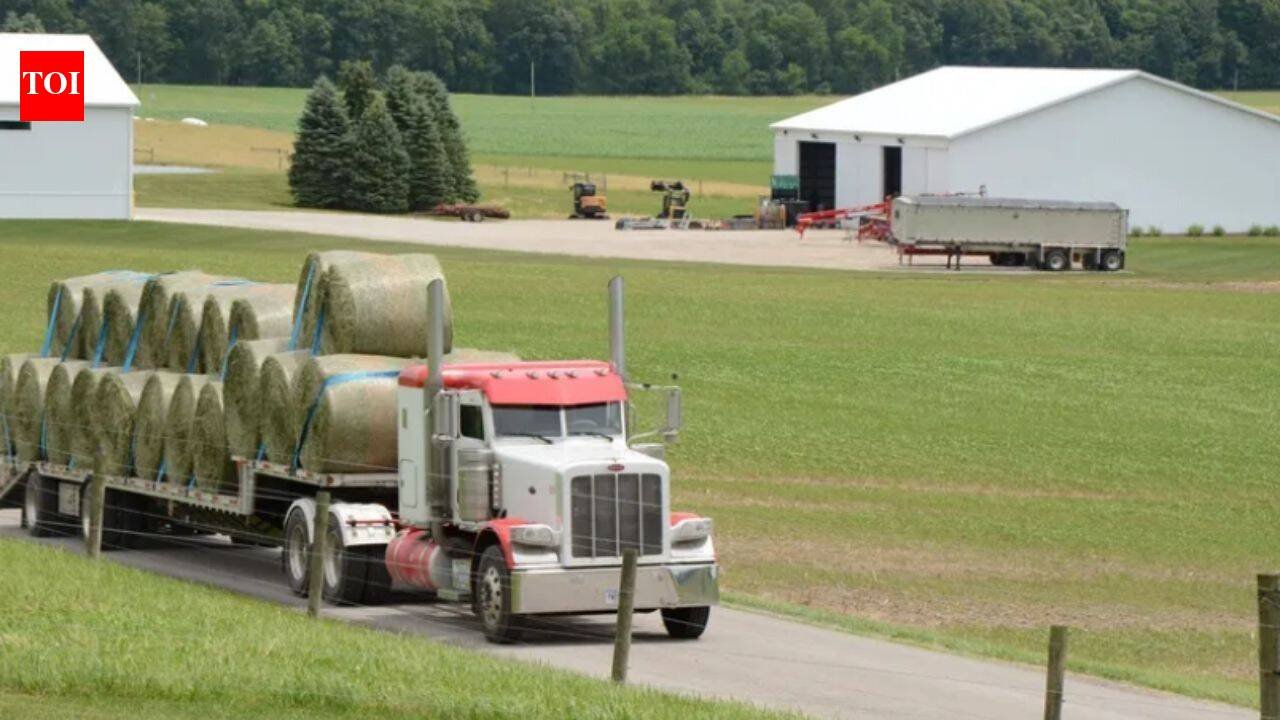
What began as a secret land purchase has grown into a nearly 500-acre family farm built around conservation, forestry and a long-term commitment to the land. In 1988, Ohio attorney Neil McKown quietly purchased 155 acres without first telling his wife, Pamela. The property was overgrown, rundown and neglected, but what initially looked like a risky decision eventually became the foundation of a nearly 500-acre family farming operation. In a report based on interviews with the McKown family, Farm Progress detailed how the family transformed the land while maintaining its woods, improving drainage and adopting conservation practices. Their efforts have now earned the family the Ohio Conservation Farm Family Award. Most notably, McKown turned down an estimated $400,000 to $500,000 timber harvest because he preferred to keep the forest standing.
A secret purchase that changed the family’s future
McKown’s first step into farming was far from conventional. After practising law with his father, he wanted an escape from the pressures of legal work and the constant demands of computers, phones and clients. He had grown up in a small farming community about five miles from the property and had worked summer jobs on farms and at an agricultural fertiliser plant. The desire to spend more time outdoors eventually led him to the 155-acre property in 1988. McKown signed the purchase agreement without telling Pamela. He waited until he returned home before revealing what he had done. After dinner, he told his family to get into the car so they could see what they had bought.The first impression was not particularly promising. Pamela described the house and property as an eyesore, while much of the land was overgrown and neglected. Still, the family decided to take on the challenge.
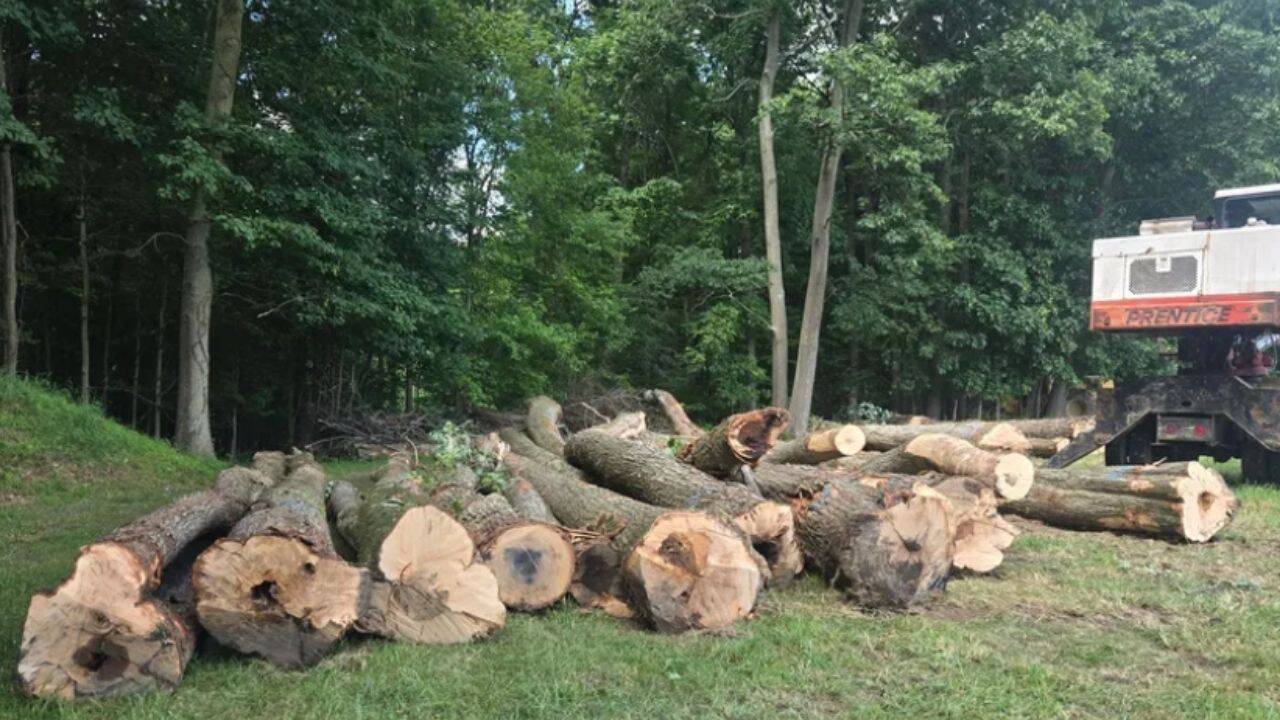
The desire to spend more time outdoors eventually led Neil McKown to the 155-acre property in 1988 (Image Credit: McKown family via Farm Progress)
From neglected acreage to working farm
The McKowns began with only about 80 tillable acres, leaving the remainder as woods and pasture. Neil’s first attempt at growing soybeans in 1990 even prompted three neighbouring farmers to stop by and examine his grain drill, apparently concerned about his lack of farming experience. Nevertheless, the family continued. They worked on the woods during winter, removing grapevines and undertaking timber-stand improvements with assistance from conservation cost-sharing programmes. The children, Sam and Lauren, were involved in the work while they were still young.The farm also presented a significant drainage challenge. Located in a prehistoric lake basin with sandy and silty soils, the property had only one inadequate drainage outlet and a few old drainage tiles. Working with a neighbouring farmer, the McKowns developed a drainage solution that connected their property to an existing system. They subsequently tiled the farmland systematically over five years and installed 30-foot buffer strips along the ditch.
The operation steadily expanded
The original 155 acres eventually became part of a much larger operation. The family added cattle and hay equipment in the mid-1990s, while their son Sam became increasingly involved in the agricultural work. By the time he was 14, Sam had started doing custom hay work for local farmers. He continued the work through high school and college before eventually making farming his full-time livelihood.The family’s biggest expansion came when they purchased a neighbouring 220-acre farm. The operation now covers nearly 500 acres, with crops and livestock forming part of the diversified agricultural system. The farm produces corn, soybeans, wheat, hay and alfalfa, while cattle are also raised. Highly erodible areas have been converted to pasture and managed through rotational grazing.
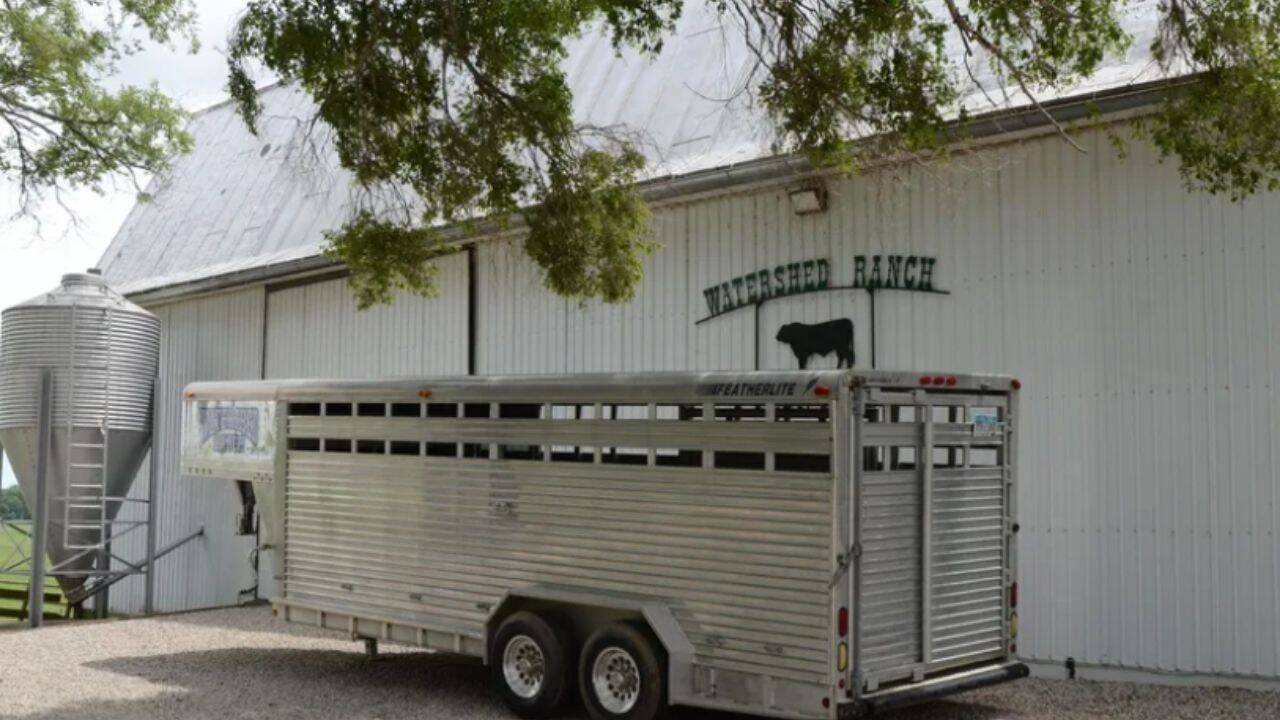
Image Credit: Farm Progress/Jennifer Kiel
Conservation is built into the farming system
As the farm grew, the McKowns continued incorporating conservation practices rather than treating land protection as separate from agricultural production. They use vertical tillage in autumn followed by no-till planting in spring. The family also works with an agronomist and carries out grid soil sampling every three years to guide fertiliser applications. Their forestry management is particularly important to the family. They work with a professional forester and use selective harvesting to improve the condition of the woodland rather than treating the trees simply as a source of income. That philosophy became clear when the forester estimated that a more extensive timber cut could generate between $400,000 and $500,000. McKown declined, saying he would rather see the woods than cash in on the timber. The family has also removed invasive burning bush from the woodland and maintains an apiary and pond on the property.
The farm has become an outdoor classroom
The McKowns have also used the property to introduce children to farming and natural ecosystems. Students from St. Mary’s and fifth-graders from Auburn and Shelby have visited for farm days. The family uses the property to teach about its agricultural history, glaciers and vernal pools. A naturalist from Gorman Nature Center has helped students understand the importance of the property’s vernal pool, including its role in supporting salamanders and frogs.For the McKowns, the land has consequently become more than a place for producing crops and livestock. It has also become a setting where younger generations can learn about agriculture, conservation and the natural history of the region.
A family operation moving into its next generation
Today, Sam is a central part of the operation, managing much of the hay production. About 90% of the hay is sold to horse owners and cattle operations, while he also raises around 15 head of beef cattle. He has expanded his own agricultural holdings by purchasing 130 acres near Ontario, Ohio, where he grows alfalfa and row crops. Forty acres there are enrolled in a 15-year Conservation Reserve Program reforestation programme. His sister Lauren pursued a different career and works for OhioHealth in Columbus, but the family’s connection to the farm remains central to the story of its development.
A long-term view of the land
The McKowns’ transformation of the property has taken nearly four decades. What started with an unexpected 155-acre purchase has developed into a nearly 500-acre farming operation recognised for its conservation practices. For Neil, the land represents something that extends beyond its immediate economic value. His decision to preserve the woods despite the potential for a $400,000-$500,000 timber harvest reflects the family’s broader approach: improving the land while maintaining the natural features that make it valuable.The Ohio Conservation Farm Family Award recognises the family’s conservation efforts alongside its agricultural work. And after 38 years, what McKown once described as his “pipe dream” has become a family enterprise in which farming, conservation, forestry and education continue side by side.






Leave a Reply