
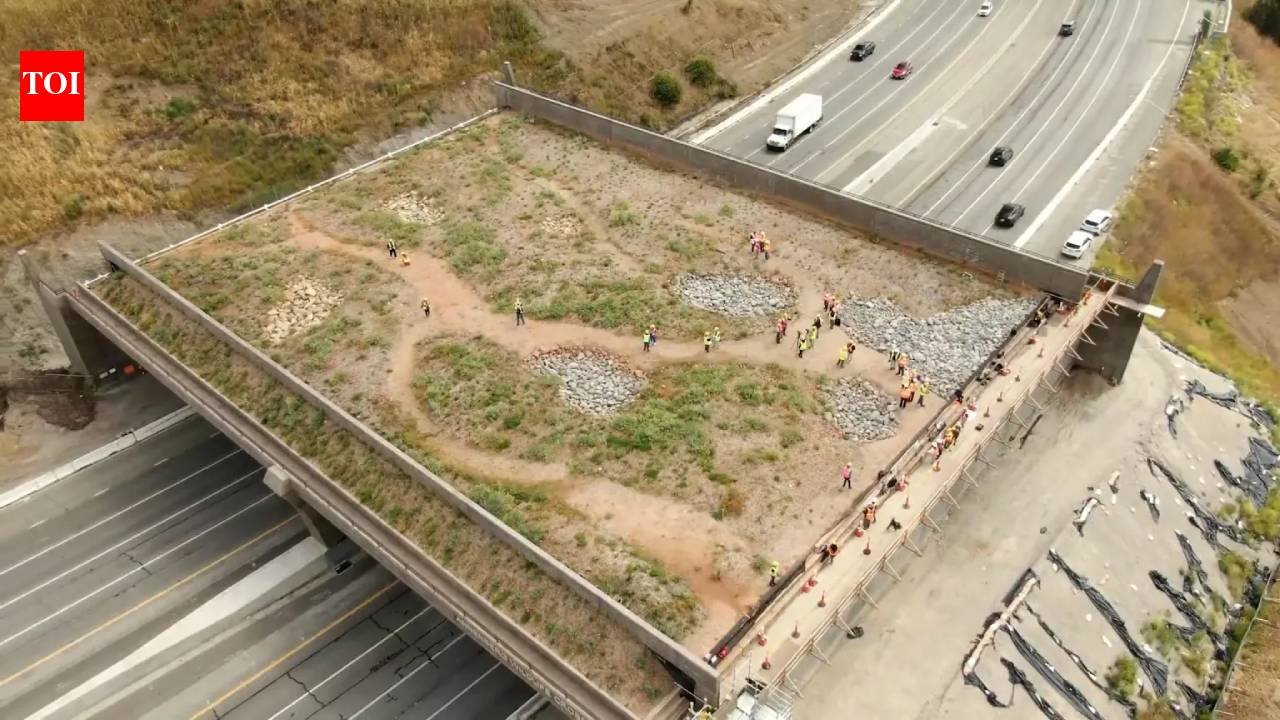
Wildlife crossings are increasingly being used across the United States to help animals safely navigate roads and highways, while reducing wildlife-vehicle collisions. Now, two new crossings are being planned in California’s Mojave Desert near Joshua Tree National Park, in an effort to reconnect important wildlife habitats.The proposed crossings will span State Route 62, a highway that runs between Joshua Tree National Park to the east and the Sand to Snow National Monument to the west. Conservationists say the road has fragmented habitat and made it more difficult for wildlife to move between the two protected areas.The projects are part of a broader push for wildlife crossings in Southern California. Along with the two Mojave Desert crossings, three additional structures are planned to span Interstate 15. The region will also soon see the opening of the massive Wallis Annenberg Wildlife Crossing over the 101 Freeway in Agoura Hills.
State Route 62 crossings years in the making
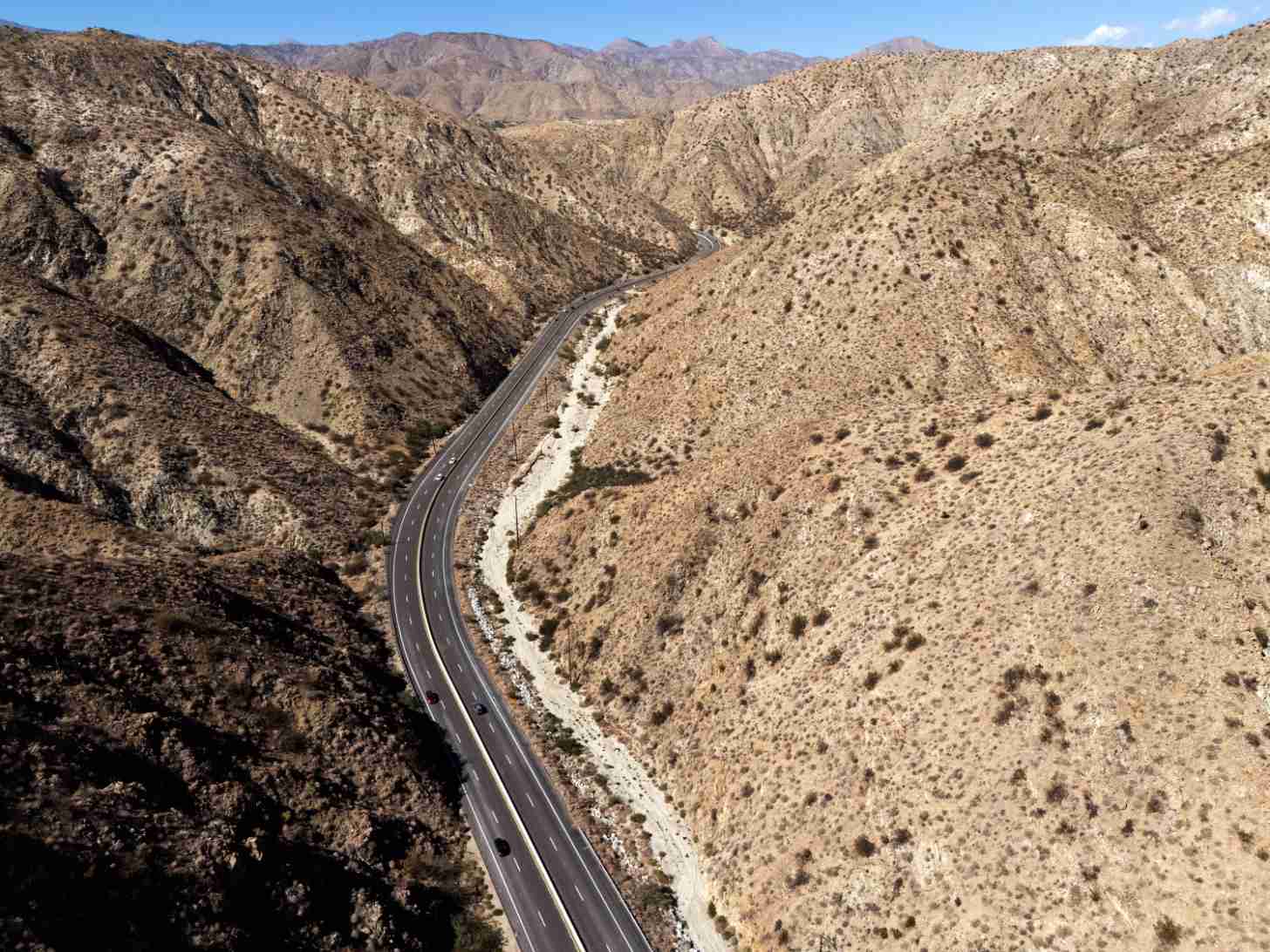
Researchers are studying wildlife movement in California’s Mojave Desert ahead of the crossings. (Photo: Mojave Desert Land Trust/Lighthawk)
The two Mojave Desert crossings have been in development for several years, according to Kelly Herbinson, a wildlife biologist and executive director of the Mojave Desert Land Trust.“This highway runs between two really important protected areas for wildlife, Joshua Tree to the east and Sand to Snow National Monument to the west,” Herbinson told KTLA earlier this year.She explained that the highway has effectively fragmented the habitat, making it harder for species including bighorn sheep, deer, black bears and mountain lions to move between the areas.The need for safer wildlife passage was underscored in late April, when an 18-month-old male cougar was struck and killed on State Route 62’s Yucca Grade.Funding for the proposed crossings began coming together earlier this year. In February, the Mojave Desert Land Trust secured a $5.5 million grant from the California Wildlife Conservation Board. Following the mountain lion’s death, the Coachella Valley Mountains Conservancy provided another $512,000 grant in May.
Researchers begin studying wildlife movement
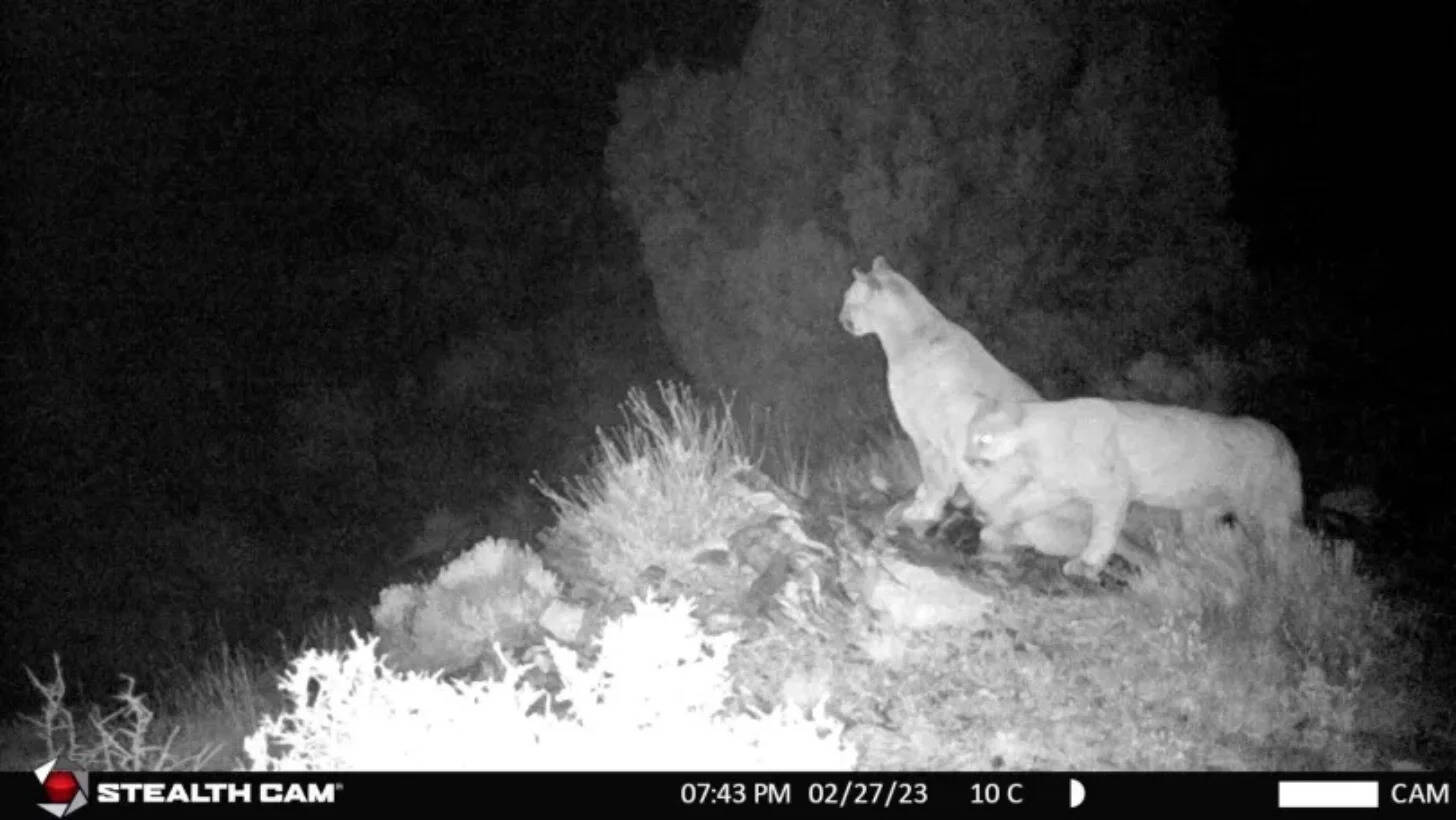
Bighorn sheep, mountain lions and bobcats are among the species being studied. (Photo: NPS)
Although construction is still years away, researchers have already begun gathering data that could help determine how the crossings should be designed.Wildlife researchers are surveying the area to document species such as bighorn sheep, with mountain lions and bobcats also expected to be studied. One important part of the research involves collecting animal scat for DNA analysis.The genetic data will help researchers understand wildlife movement and genetic exchange across State Route 62. Detection dogs are also expected to assist researchers in locating animal scat.The studies could eventually provide a baseline against which wildlife activity can be measured after the crossings are constructed. Researchers will also be able to examine whether animals are successfully using the structures and whether movement between previously fragmented habitats increases.“Generally, these genetic studies are long-term studies that can be informative for years to come and be used to track changes in genetic health as the crossings are adopted by wildlife,” Geary Hund, senior biologist and wildlife crossing project manager, told the San Bernardino Sun.
Construction is still years away
The Mojave Desert Land Trust has emphasized that the project is still in its planning and design stages.Herbinson told KTLA that it would take about three years just to complete engineering surveys, environmental permitting and the design process for the crossings.“It’s a three-year project just to do engineering surveys, get through the environmental permitting process, and actually design what the crossings might look like,” she said. “After that, we’ll hopefully get funding to do that second phase, which is finalizing the designs and breaking ground.”The current grant funding is expected to take the two proposed crossing projects to approximately 65% design completion, according to the Mojave Desert Land Trust.The $5.5 million state grant is funding technical studies and engineering work required to design the structures and prepare plans for environmental review. Once that stage is completed, the land trust and its partners will seek additional funding for construction.
Wildlife studies will continue for years
The research program is expected to continue well beyond the initial planning phase.The current study is scheduled to run through April 2027. A second phase is expected to continue through December 2029 and will include roadkill surveys. A third phase would take place after construction to assess how wildlife responds to the completed crossings.However, the timeline remains dependent on securing additional funding for the construction phase.Herbinson said the proposed crossings could ultimately benefit both wildlife and people living in communities surrounding the desert.“Desert communities exist at the intersection of people, wildlife, and wide-open landscapes,” she said in a press release. “The proposed wildlife crossings would re-establish the natural movement of animals across the land, reduce dangerous wildlife-vehicle collisions, and strengthen the health of the ecosystems that sustain us.”She added that the investment could help create safer roads while supporting communities that coexist with surrounding wildlife.“Thanks to the support of the Wildlife Conservation Board and our partners, we can invest in solutions that not just protect wildlife but support safer roads and more resilient communities that exist within, not apart from, nature,” Herbinson said.





Leave a Reply