
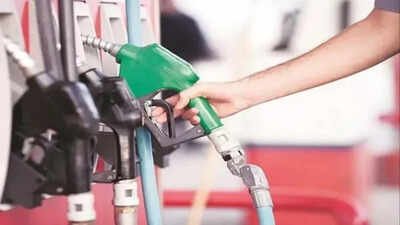

NEW DELHI: Delhi has the strongest CNG infrastructure among the cities assessed in a TERI study and, along with Bengaluru, also has relatively strong EV infrastructure.The study, supported by the Petroleum and Natural Gas Regulatory Board (PNGRB), found that effective charging capacity was considerably lower in Lucknow, Guwahati, Dhanbad and Chamba. It said infrastructure readiness was a key determinant of the timing of the transition and that national transition pathways needed regionally differentiated implementation strategies.The “Study on Comparative Assessment of Vehicular Fuels in India’s Energy Transition” examined petrol, diesel, CNG, electricity and LNG across two-wheelers, three-wheelers, private and commercial four-wheelers, light commercial vehicles (LCVs) and heavy-duty vehicles. It covered Delhi, Mumbai, Mumbai Port, Surat, Ahmedabad, Guwahati, Lucknow, Bengaluru, Dhanbad and Chamba.The study found that India should not adopt one fuel or technology as a universal replacement, with different technologies performing different roles across vehicle fleets, applications and stages of the transition.It found that EVs currently provide the lowest ownership costs for two-wheelers and three-wheelers, while CNG offers a relatively balanced and deployment-ready mobility solution across a wide range of personal and commercial applications. The study said CNG has a strong position in passenger cars, taxis, buses and LCVs, while LNG remains particularly relevant for long-haul freight.The study was based partly on a primary survey of 2,315 vehicle owners and drivers across 10 locations, using stratified random sampling. The survey covered vehicle usage, travel distance, mileage, infrastructure access, fuel and maintenance expenditure, technology preferences and willingness to retrofit.Economic considerations emerged as the strongest factor in the assessment, accounting for 31.49% of the overall weighting, followed by environmental considerations at 22.34% and technical factors at 21.25%. The report said the weights reflected the importance of affordability, ownership cost and operating economics in technology selection.The study said CNG-powered vehicles have the lowest overall life-cycle emissions among the fuel options assessed for several passenger and commercial vehicle segments. It also said environmental performance cannot be judged solely through tailpipe emissions, with EV performance influenced by electricity generation, battery manufacturing and material requirements.The findings come amid a continuing debate over the role of vehicles and fuels in Delhi-NCR’s air pollution and the effectiveness of past interventions. Tarun Kapoor, advisor to PM, said better data was needed to guide policy. “Good authentic data is very urgently needed. Whatever interventions we’ve done in the past, it’s been like hitting in the dark and the results have not really been the way it was thought,” he said.The study also said electrification changes rather than eliminates energy-security risks by shifting some dependence from petroleum towards electricity infrastructure, critical minerals, imported automobile components and battery supply chains.
Share your thoughts in the comments
Be respectful · TOI community guidelines
“The real policy question is not which fuel should replace all others, but rather which fuel is best suited for which application, under what operating conditions and at what stage of India’s transition journey,” said AK Tiwari, member, PNGRB.The study recommended a technology-neutral framework at the national level, with differentiated approaches based on vehicle segment, region and application. It also called for accelerated CNG infrastructure development, greater use of CBG and differentiated CNG and LNG strategies, with LNG focused on long-haul mobility.






Leave a Reply