
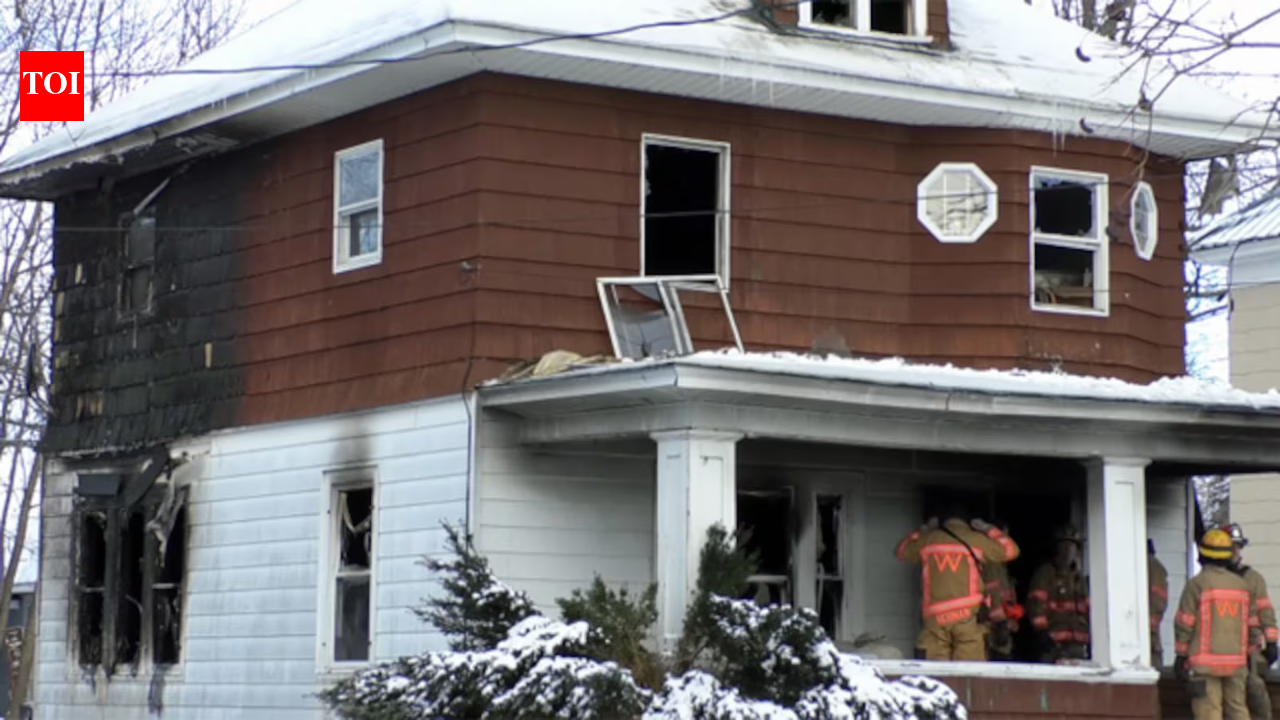
A New York teenager who lost her father and four sisters in a devastating house fire was at the centre of a legal dispute months later, after relatives who raised more than $100,000 to support her allegedly failed to hand over most of the money. According to a 2019 report by WWNY-TV and court documents cited by the broadcaster, the New York Attorney General’s office sought the return of $71,539.29, alleging that the funds had been improperly spent and that investigators had been misled about the money. The case was filed in New York State Supreme Court in October 2019 by then-Attorney General Letitia James. The state alleged that the relatives had not transferred the full amount to Hailey or her mother, Melissa Davey, despite repeated requests for an accounting. The original court petition also alleged that the fundraisers had failed to comply with state requirements governing charitable donations. WWNY-TV and the court petition detailed the allegations.
A community came together after the tragedy
The fire broke out on February 14, 2019, at the family’s home on Myrtle Avenue in Watertown, New York. Hailey’s father, Aaron Bodah, and her four sisters, Merissa, Alexa, Erin and Skylar, died in the blaze. Hailey, then 13, was the only surviving child in the family.The tragedy prompted an outpouring of support from the local community. A GoFundMe campaign organised on behalf of Kenneth Bodah raised $25,680 through 523 donations, according to the fundraising page . Other efforts included community fundraisers and donations collected through a memorial fund and a union-related initiative.The fundraising was intended to help Hailey following the loss of her immediate family. In a letter published in the local newspaper, her paternal relatives had reportedly assured donors that the money would be managed responsibly and used for her benefit, according to the state’s court filing.
How the donations came under scrutiny
The Attorney General’s office began seeking financial records after learning that the funds had not been transferred to Hailey or her mother within the period specified under state law. According to the petition, the relatives were asked in August 2019 to disclose the total amount raised, identify where the money was being held and explain how the funds would be handed over. A cashier’s cheque for $35,021.61 was delivered to Hailey on September 20, 2019, through the relatives’ lawyer.However, investigators subsequently obtained bank records that showed $97,199.29 had been deposited into an account called the Bodah Family Memorial Fund between February 19 and September 23, 2019. The state alleged that a substantial portion of the money remained unaccounted for or had been spent on purchases that were not consistent with the stated purpose of the fundraising.The records cited in the petition included more than $5,300 in purchases from Lowe’s, a home improvement retailer, covering household appliances and other supplies. A further $453.86 was spent at an online home furnishings retailer, according to the filing. The state also identified payments to a church and a monument company. It argued that the donations had been solicited specifically for Hailey and that the money should not have been diverted to other expenses without the appropriate basis.
State sought the return of more than $71,000
By October 2019, the Attorney General’s office was seeking the transfer of the remaining $71,539.29 to Hailey, through her mother and legal guardian. It also requested penalties and a full accounting of the money raised through the different fundraising efforts.Kenneth Bodah Jr., Beth Ann Bodah and Travis Bodah were accused of failing to turn over the donations as required by law. The petition further accused Kenneth and Beth of making false statements to investigators, while Kenneth was separately accused of fraud.These were allegations contained in the state’s legal filing, rather than findings of guilt. WWNY-TV reported at the time that it had been unable to reach the three relatives for comment. The case highlighted the questions that can arise when donations are collected for a named individual after a tragedy, particularly when relatives or other organisers control the funds before they reach the intended beneficiary. In Hailey’s case, the state sought to ensure that the money raised in the aftermath of an unimaginable loss was delivered to the teenager it was meant to support.





Leave a Reply