
Every New Yorker has walked past a yard sale and kept walking. Most of the time, they’re right to. The folding tables are full of chipped mugs, mismatched lamps and vases nobody has ever wanted. Every so often, though, one of those tables hides something that makes an auction house very happy and a family very confused.That was the case for one New Yorker who spotted a small white bowl at a yard sale in 2007. Priced at just $3, it looked unique. The buyer thought it was a bargain and took it home. The bowl sat in the buyer’s living room for several years, quietly becoming part of the household. Years later, the owner had it appraised, and experts estimated its value at up to $300,000. The reason? It was a rare Chinese artefact dating back around 1,000 years!
An unassuming bowl at the yard sale
Pic credit: Sotheby’s
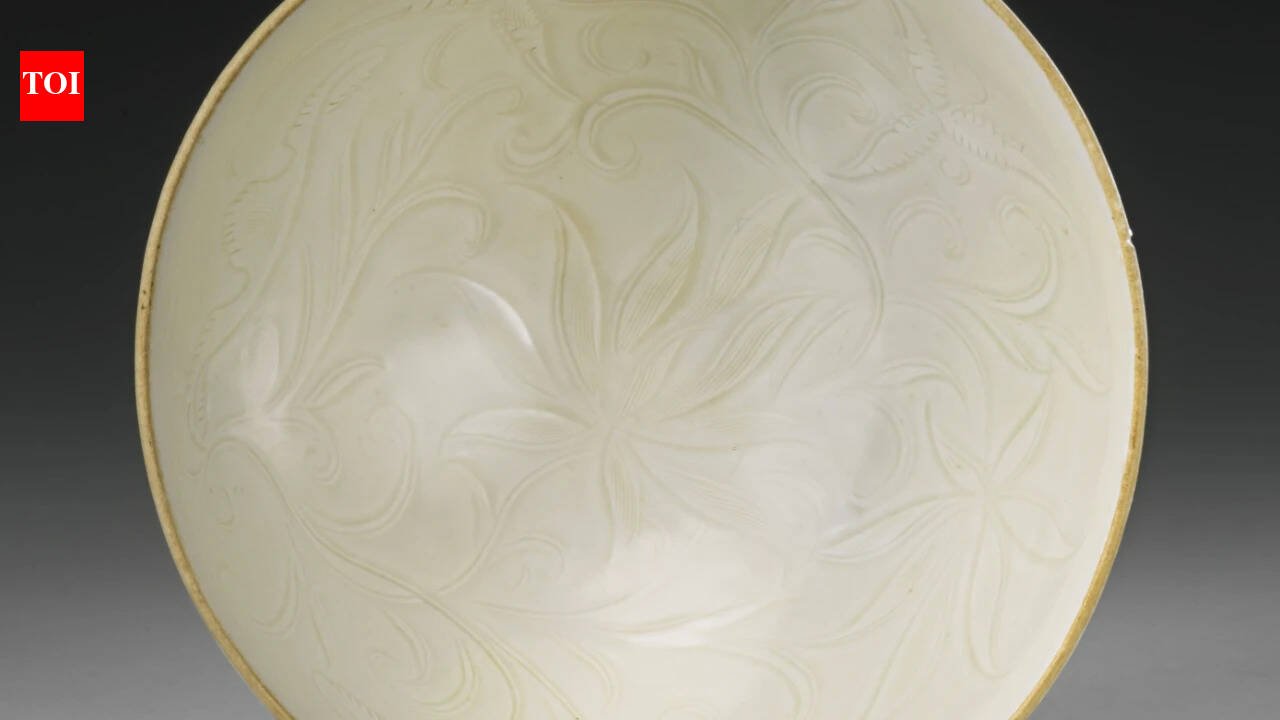
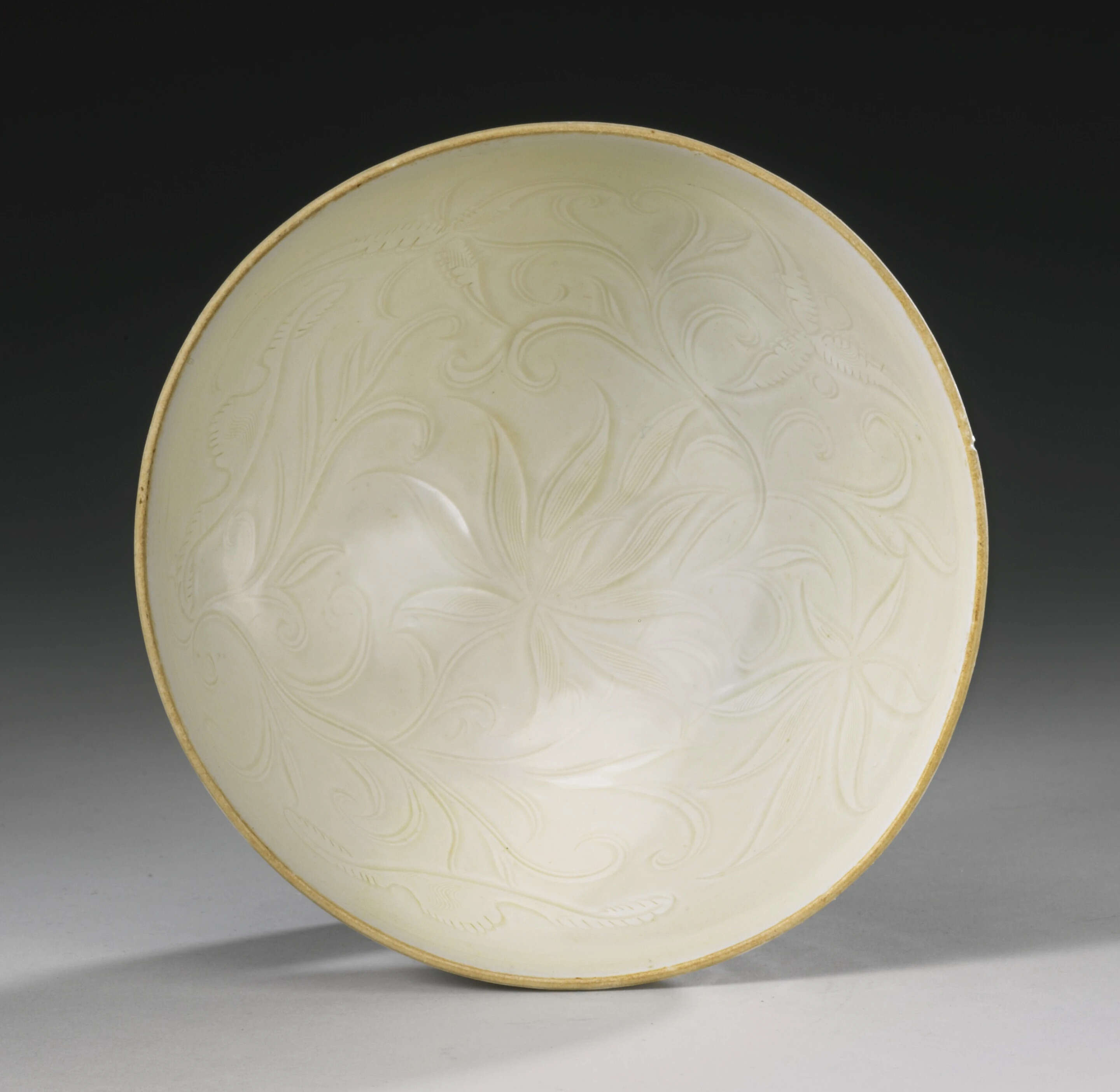
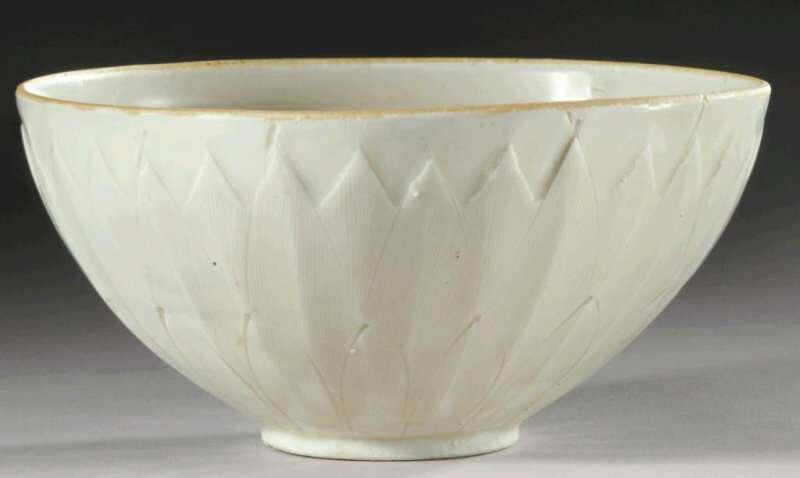
Yard sales are often filled with chipped mugs, discarded furniture and strange decor items, so it is easy to see why a pale bowl would not stand out. This white bowl with a carved design sat there. Its ivory glaze pooled into darker streaks near the base, and rows of moulded leaves wrapped around the outside. Inside, a lotus pattern was carved into the clay. Nothing about it looked like a museum object, which may be the most important detail in the whole story.The bowl’s unique design and intricate workmanship sparked the buyer’s curiosity. They wanted to know what they had. The family kept the bowl in their living room for a few years before deciding to have it appraised, according to Sotheby’s spokeswoman Cecilia Leung.Experts identified the bowl as ‘Ding’ ware, a type of Chinese porcelain made during the Northern Song dynasty, which ruled from 960 to 1127. It was worth between $200,000 and $300,000. Few people expect to hear numbers like that about something they bought for pocket change.
A rare Chinese artefact
Pic credit: Sotheby’s
The bowl was a rare and important example of ‘Ding’ ware. Ding ware was prized for its thin walls and fine white body. This type of porcelain was made in the kiln region of Quyang, in Hebei province, and early pieces were usually plain. Later potters began carving and moulding their designs, and some Ding wares imitated gold and silver vessels, which were far more expensive. ‘The high quality of the potting seen here is evident in the feather-light weight of the bowl, with the carved walls especially thin and delicate,’ the auction house says. The auctioneers described it as ‘rare and exceptionally beautiful’.Collectors of later dynasties grouped Ding ware among the ‘five great wares’ of the Song period, and it is easy to see why. The glaze runs in darker tears near the foot, and the walls are so thin that light can pass through them. Those qualities are hard to fake and harder to find in good condition.The shape of the bowl is also worth noting, as similar designs appear in silver bowls from the Song dynasty. ‘For example, see a bowl illustrated in Zhongguo jin yin poli falangqi quanji, vol. 2 (2), Shijiazhuang, 2000, pl. 261, together with another silver bowl of more rounded body but the exterior moulded with layers of overlapping upright leaves, reminiscent of that seen on this bowl, pl. 262,’ the auction house explained.The rare Ding ware was in ‘good condition’, Sotheby’s said. ‘The rim is very slightly warped, and the foot rim is not perfectly circular. There is a tiny firing tear under the rim on the interior, approx. 1/8 in. (0.4 cm) long; otherwise, the bowl is in overall good condition.’The bowl went up for auction at Sotheby’s in New York in March 2013. Four bidders competed for it, and the price climbed well past the estimate. The winner was Giuseppe Eskenazi, a London-based dealer, who paid $2,225,000. That figure includes the buyer’s commission.







Leave a Reply