
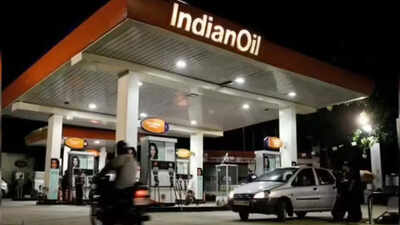
Delhi has made its ‘No PUC, No Fuel’ rule permanent, tightening checks on vehicles that do not meet emission norms. The move comes as the city continues to battle poor air quality, with vehicle emissions being a major contributor, especially during the winter months. By linking fuel access to emission compliance, authorities are now pushing for stricter, everyday enforcement instead of occasional drives. So, what does this mean for you as a vehicle owner? Simply put, if your vehicle does not have a valid Pollution Under Control (PUC) certificate, you may not be able to refuel. Petrol pumps across the city have been instructed to check the PUC status digitally before dispensing fuel. If the certificate has expired or is missing, fuel can be denied until it is renewed.
The system is largely technology-driven. Fuel stations are connected to centralised databases that allow them to verify PUC details in real time. This reduces the need for manual checks and ensures that the rule is followed consistently across locations. The rule applies to all internal combustion engine vehicles in Delhi. This includes private cars, two-wheelers, and commercial vehicles. Older vehicles, which are more likely to have higher emissions, could be impacted the most if not maintained properly. If you want to avoid inconvenience, you can take a few simple steps. You can check your PUC validity regularly and renew it before it expires. Keeping a digital or physical copy handy can also help if needed. Since getting a PUC certificate is quick and inexpensive, staying compliant is relatively easy.






Leave a Reply