
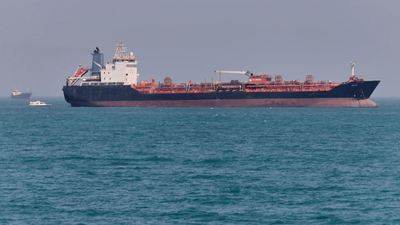
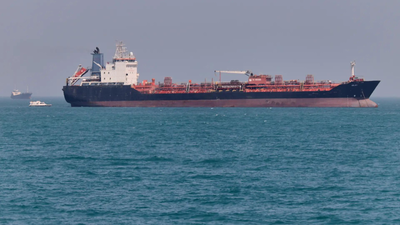
NEW DELHI: The Strait of Hormuz remains technically open, but commercial shipping is far from normal, according to Anil Devli, chief executive of the Mumbai-based Indian National Shipowners’ Association, the nearly century-old body that speaks for much of the country’s shipping industry.With 14 Indian vessels trapped in this chokepoint that funnels half of India’s crude oil and most of its LPG, the risks are sky-high. And with Indian ships earlier hit by Iran’s Islamic Revolutionary Guard Corps (IRGC), Devli said, there is bound to be some sense of hesitation among seafarers.Iran’s blockade continues despite a fragile ceasefire even as the US paused on Wednesday a three-day naval mission to open the Strait of Hormuz. “Technically, Hormuz is open. Vessels are transiting, but for commercial traffic. the risks are still immense,” Devli told TOI on Wednesday. Before the US and Israel launched strikes on Iran in late Feb, thousands of vessels passed through the Strait every month. But by April, crossings plunged to barely 5%.Vessels stuck in the Strait currently dodge a lethal mix of sanctions, IRGC patrols, and naval escorts. “We understand that some neutral-flag vessels are transiting with Iran’s tacit permission or US protection”, but “normal traffic”, said Devli, has come to a halt.The vessels that are moving are doing so on borrowed time and borrowed trust—ships from countries Iran considers “friends”, Chinese-flagged bulk carriers broadcasting their ownership on open radio, Pakistani vessels, neutral-flag tankers carrying cargoes to neutral countries, including India. Until Monday, even US-flagged commercial ships had stayed away. And until very recently, not a single US-flagged vessel had made it through.That changed on May 4 when two US-flagged merchant vessels crossed Hormuz amid the Iranian blockade under escort of US Navy guided-missile destroyers as part of Washington’s Project Freedom.When the first Indian ship came out, then the second, the sixth, the seventh, the eighth—confidence was building. Then, two Indian-flagged vessels got fired on April 18 by IRGC boats: VLCC Sanmar Herald (2 million barrels Iraqi crude) and bulk carrier Jag Arnav. An audio captured the Sanmar Herald’s radio plea: “Sepah Navy! You gave clearance—I’m second on your list. You’re firing now! Let me turn back!”The incident prompted India to raise it with the Iranian Ambassador regarding the safety of its mariners, but confidence among Indian seafarers—already fragile —cratered.“‘You yourselves cleared me’, the captain was heard on the radio telling the Iranians. That tells you the level of uncertainty that the seafarers on board vessels transiting the strait are dealing with,” said Devli. Weeks earlier, a Hong Kong-linked tanker burned after attempting stealth transit—hit and left in flames — with IRGC warnings of mined waters blaring to all traffic.There was a brief breakthrough over the weekend. The Marshall Islands-flagged MT Sarv Shakti, carrying 46,313 tonnes of LPG for Indian Oil Corporation and crewed by 18 Indians, crossed the strait on May 2 and is expected to reach Visakhapatnam by May 13. It is the first India-linked tanker to make the passage after nearly two weeks of severe disruption triggered by the collapse of peace talks in Islamabad on April 13 and the subsequent US naval blockade around Iranian ports.During the peak of hostilities last month, even Gulf port operations slowed dramatically. Shipping supplies, food deliveries and basic services for Indian seafarers and crew members were disrupted across hubs including Dubai, Abu Dhabi and Kuwait. That situation, Devli said, has since stabilized.India has so far facilitated movement of eight LPG vessels through the strait during the crisis with diplomatic engagement and close coordination between Iranian and Indian govt agencies, naval authorities, and maritime bodies. Indian-flagged vessels are currently operating strictly under govt directions and sanctions compliance protocols.NUSI and Directorate General of Shipping (DGS) have advised Indian crews in the region to maintain heightened vigilance in Iranian waters and the Strait of Hormuz, avoid unnecessary shore leave, keep communication systems functional, and regularly monitor advisories issued by Indian authorities.As shipowners pay premiums to keep crews aboard, war-risk insurance costs have jumped sharply by upto 70%—adding millions of dollars in extra costs per trip.For Indian shipowners, especially those on fixed-term contracts, the limbo is turning financially painful.






Leave a Reply