
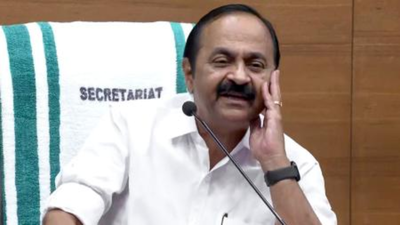
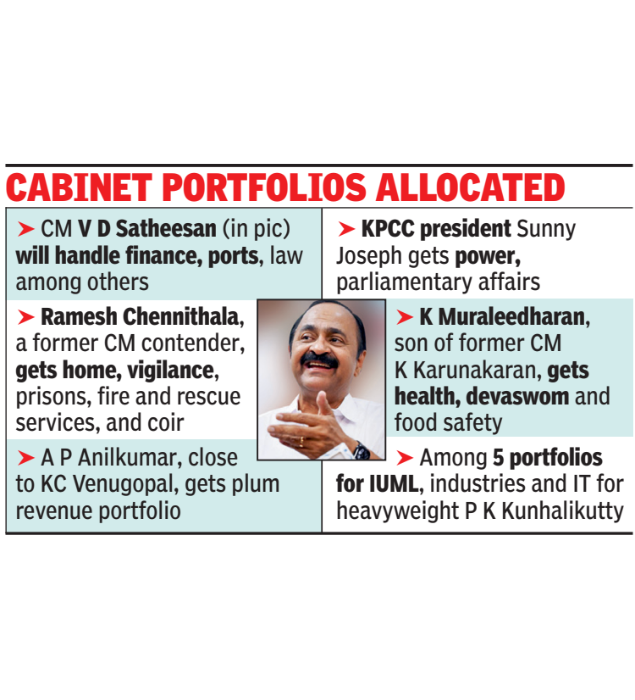
THIRUVANANTHAPURAM: Kerala’s most controversial infrastructure project in recent history is officially dead. Chief minister V D Satheesan Wednesday announced that UDF govt had decided to scrap the controversial SilverLine semi-high-speed rail project designed to link Thiruvananthapuram and Kasaragod, ending the flagship infrastructure initiative of the previous LDF govt after years of protests and uncertainty. The anti-SilverLine agitation went on to evolve into one of the fiercest mass mobilisation against the previous Pinarayi Vijayan govt. The CM told media that the cabinet took a decision to revoke all land acquisition notifications issued for it. “Though the project had effectively been dropped, the notifications continued to remain in force, causing difficulties for ordinary people who were unable to sell, purchase or mortgage their land,” Satheesan said.
.
Satheesan clarified that UDF was not against a high-speed rail corridor, as long as it did not place a financial or environmental burden on Kerala. “We opposed SilverLine because it did not even have a proper detailed project report. Had it been implemented, it would have been an environmental disaster, as 30ft-high embankments were planned for 300km and 10ft-high walls for another 200km of the corridor,” he said. During monsoon, it would have wreaked havoc, Satheesan said. SilverLine was proposed as a 529.45km rail corridor connecting 11 districts.Will withdraw cases against Silverline protesters: Kerala CMConceived by Kerala Rail Development Corporation, the project, also known as K-Rail, aimed to reduce travel time between the two ends of the state to around four hours. Its estimated cost had crossed Rs 1 lakh crore in later projections. The project had faced uncertainty after the Union govt did not grant final approval. People affected by the land acquisition process and others opposed to the project welcomed the decision. The chief minister said the home department would recommend the withdrawal of cases related to protests against the project pending before courts. A decision on withdrawal would be taken after examining the nature and status of each case individually, he added. The proposal faced sustained opposition from environmental groups, residents’ collectives and opposition parties.




Leave a Reply