
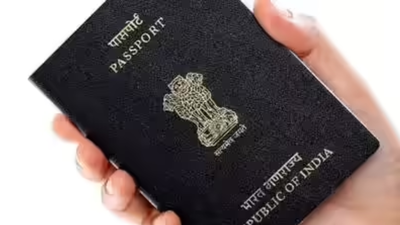
Prayagraj: Allahabad HC has held that a person’s conviction as a minor cannot be treated as a legal impediment to the issuance of a passport, emphasising that the ‘right to be forgotten’ – through removal or destruction of records of delinquency – enables juveniles to make a fresh start in life, reports Rajesh Kumar Pandey.A bench of Justices Ajit Kumar and Indrajeet Shukla made the remarks while quashing a 2021 order of the regional passport officer in Lucknow, which rejected petitioner Mohd Yunus Ansari’s application for a passport on the grounds of an adverse police report citing a pending criminal case.The passport authorities noted that the petitioner had faced a criminal trial and was convicted in a rape and kidnapping case in 2010, when he was 16 years and 10 months old.He had applied for a passport on Jan 29, 2020.The application was rejected on March 19, 2021, by the authorities who stated that Ansari had failed to respond to a notice regarding the outcome of criminal cases pending against him.The HC bench hearing Ansari’s appeal was apprised that he was tried by juvenile justice board (JJB), Gorakhpur, and convicted in Aug 2013.Ansari argued that his conviction by JJB could not have formed the foundation for the refusal of a passport, as the conviction recorded against a juvenile cannot be read as a stigmatising one against the petitioner.The govt counsel submitted that the petitioner had been a convict, and the application was rightly turned down. However, the court observed that the rejection appeared to be the result of “sheer annoyance” at the contempt proceedings the petitioner had previously initiated against the authorities for their delayed response. The court added that recording the pendency of a criminal case, when none existed, showed a non-serious attitude by the authorities and was a “monument of non-application of mind”.







Leave a Reply