
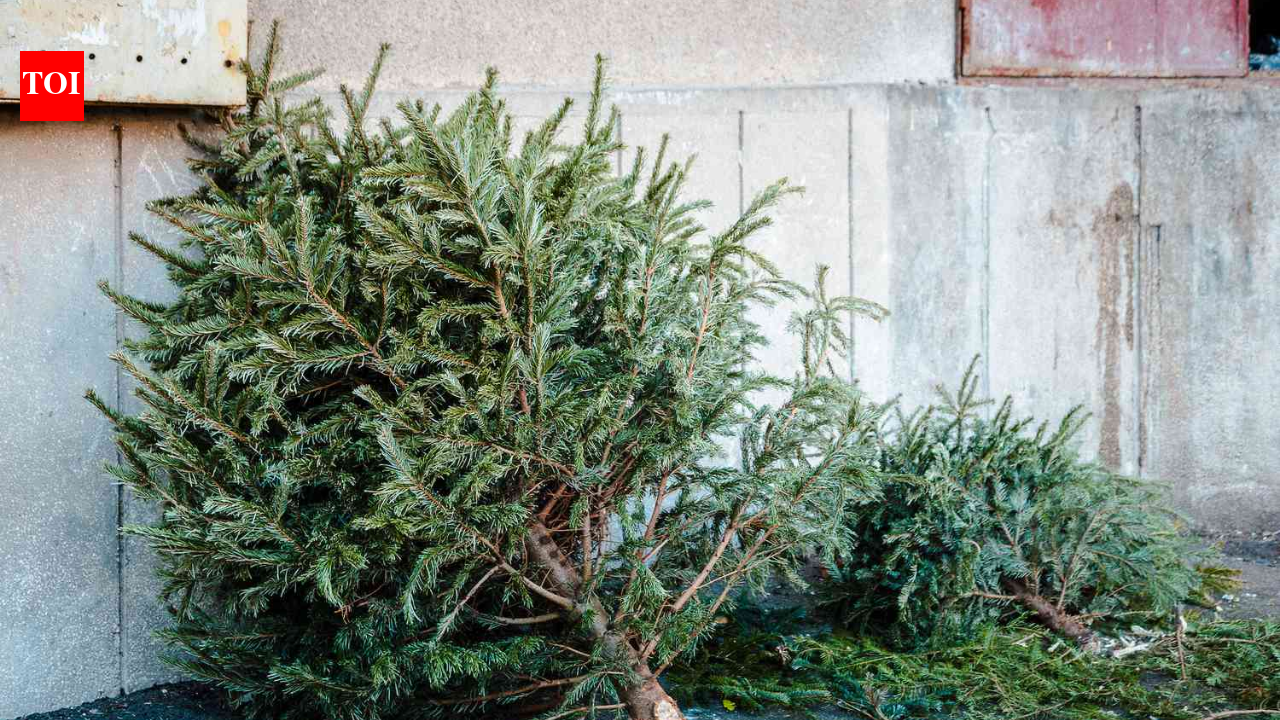
Discarded holiday trees collected from living rooms across Alabama are finding a second life along the Gulf of Mexico, forming the foundation of a student-led coastal restoration campaign. Discarded Christmas trees collected from homes across Alabama are getting a second life along the Gulf of Mexico, helping form the base of a student-led coastal restoration project. What began in 2021 as a small environmental effort has grown into an annual project on Alabama’s public beaches. Each year, around 200 high school students and community volunteers gather along the shoreline in Gulf Shores to place recycled Christmas trees and plant thousands of native plants to strengthen fragile sand dunes.According to public records from the City of Gulf Shores and historical information maintained by coastal restoration company Dune Doctors, the project combines sand trapping with native plant planting. Recycled Christmas trees are placed and secured in selected areas of the beach where wind-blown sand naturally collects around their branches. Over time, the trapped sand builds up and forms the base of new dunes. To help hold the sand in place during storms and strong winds, students plant about 3,000 native coastal plants around the tree barriers each year. These include sea oats (Uniola paniculata) and panicgrass (Panicum amarum).
How Christmas trees help build dunes
Sand dunes act as an important natural barrier that protects roads, buildings and inland habitats from storm tides and coastal erosion. When strong winds blow across the beach, loose sand is carried along until it hits an obstacle. By placing used Christmas trees in lines along or across the beach, volunteers create simple barriers that slow the wind. As the wind moves through the branches and needles, its speed drops and sand falls around the trees. Over several months, the sand can completely cover the branches. The trees provide an immediate structure, but the new sand mounds can still be damaged by wind if they are not planted with vegetation. Native plants provide longer-term protection. Sea oats, for example, develop deep, spreading root systems that hold sand together. As the plants grow, they help turn loose sand into a more stable dune that can continue to protect the coastline.
Students and community work together
The annual restoration effort depends on cooperation between local government, schools and environmental groups. The City of Gulf Shores operates public collection points after the holiday season, allowing residents to donate Christmas trees that are clean and free of decorations. Without the programme, many of these trees could end up in local landfills. City crews then move the collected trees to selected beach access points. Student groups are given instructions on coastal ecology and how to place the trees and plant vegetation. “Our goal is to give students a hands-on experience in environmental stewardship while actively protecting our coastal infrastructure,” event organisers said in project briefs published on the City of Gulf Shores civic portal. “Seeing how a discarded household item can directly help rebuild our beach ecosystem gives these young people a lasting sense of ownership over their local environment.” Timeline records from Dune Doctors, a coastal restoration company involved in beach management projects in the region, say the use of student volunteers has helped reduce the cost of manual dune planting while also speeding up habitat recovery after major storms.
Helping the Gulf Coast recover
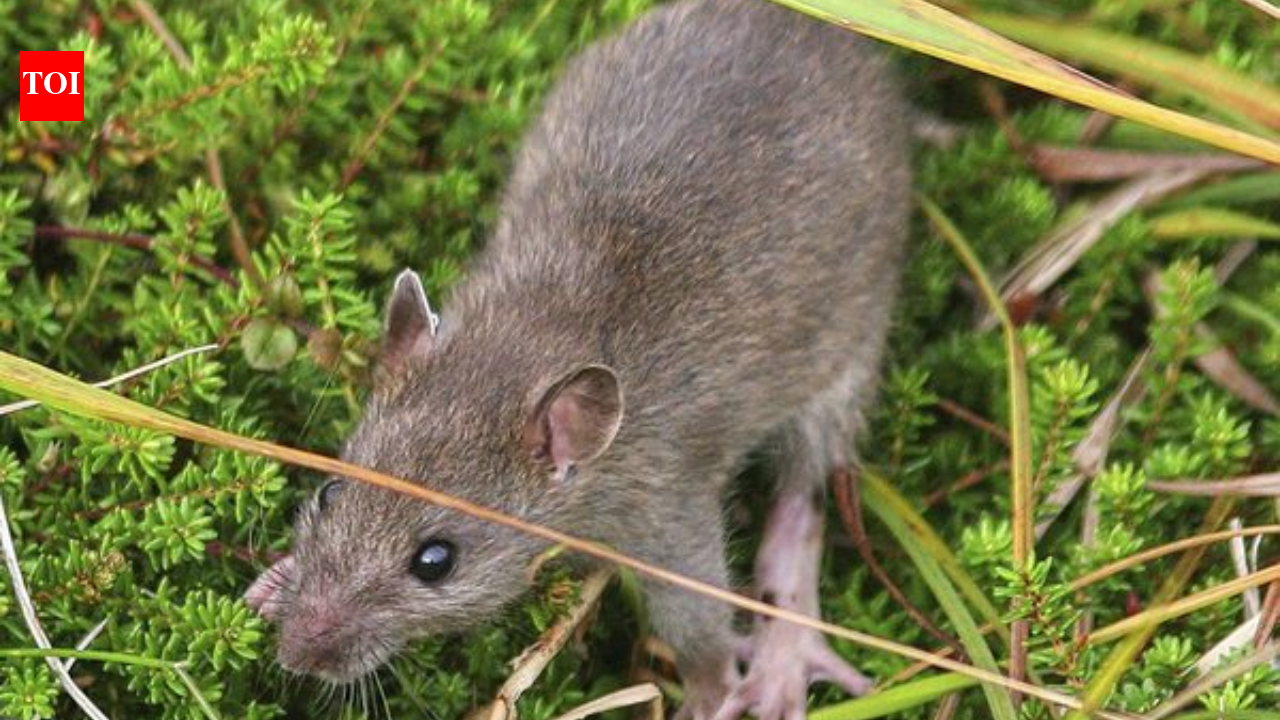
The combination of recycled trees and native plants is aimed at a major problem along the Gulf Coast, where hurricanes and powerful winter storms can quickly strip away beaches and dunes. Dunes without vegetation can lose several metres of height during a single major storm. Dunes supported by strong root systems are generally better able to withstand storm surges and waves. The old Christmas trees can also add organic material to the beach. As they break down, they release nutrients such as nitrogen and phosphorus into the normally nutrient-poor sand. This can help young sea oat plants develop roots more quickly. The plants also provide important habitat for wildlife. Project managers say sea oats and panicgrass can create nesting and shelter areas for animals such as the endangered Alabama beach mouse (Peromyscus polionotus ammobates) and several species of shorebirds that use vegetated dunes for protection from predators and severe weather. With hundreds of students taking part each year, the programme has developed into a simple, low-cost way for communities to reuse an everyday holiday item while helping protect Alabama’s coastline.




Leave a Reply