
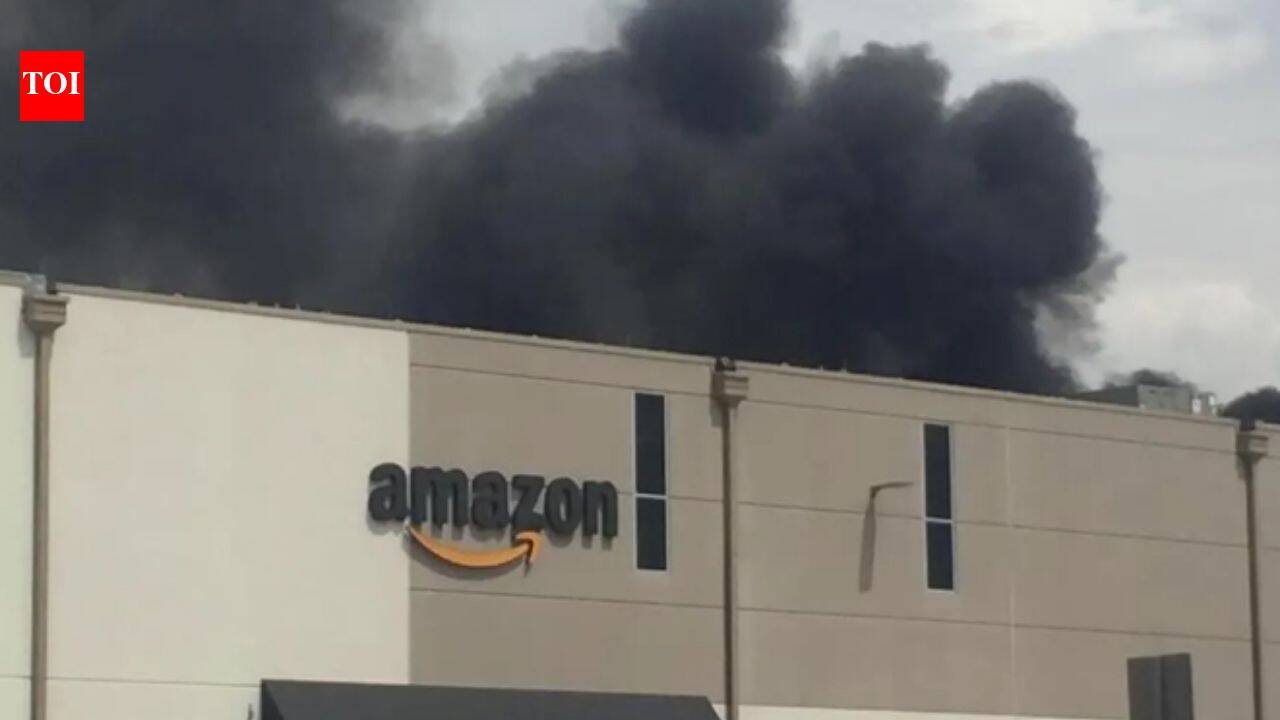
Rooftop solar systems are designed to produce electricity for years, but problems in their wiring and connections can create serious safety risks. Amazon faced this issue at several of its facilities in North America between April 2020 and June 2021, when six solar sites reported critical fire or arc flash events.Amazon had solar installations at 47 North American sites. Six of them experienced either a fire or an arc flash event during the 14-month period. This meant that about 12.7% of the sites with solar installations were affected.The incidents included a three-alarm fire at an Amazon fulfilment centre in Fresno, California, on April 14, 2020. The fire damaged 220 solar modules. Fourteen months later, a two-alarm fire at a facility in Perryville, Maryland, brought around 60 firefighters to the site.The incidents led Amazon to take its US solar operations offline by June 2021. The company wanted the systems to be properly designed, installed and maintained before they were switched back on. According to Eco portal, an internal Amazon report described the rate of dangerous incidents as “unacceptable and above industry averages”.
What caused problems
Amazon brought in Clean Energy Associates (CEA), an outside inspection firm, to examine its rooftop solar portfolio. The audit found one critical issue and 259 significant findings across sites in the US, Asia Pacific and Europe, Middle East and Africa.The findings included mismatched module-to-module connectors, incorrectly installed connectors, poor wire management and signs of water entering inverters. These were not defects in the solar panels themselves. Instead, many of the problems were linked to how the different parts of the systems had been connected or installed.Connectors are important because they join electrical cables and allow electricity to move between different parts of a solar system. If two connectors do not fit properly, electrical resistance can develop at the connection.Resistance can produce heat. As the connection becomes hotter, the plastic around it can soften, which can make the connection even less secure. In some cases, this can lead to an electrical arc.Solar systems also have a particular safety challenge because they generate direct current, or DC. Unlike household alternating current, or AC, direct current flows continuously in one direction.In an AC system, the current repeatedly passes through zero. This can help an electrical arc stop. A solar circuit, however, can continue supplying current while sunlight is available, allowing an arc to keep burning.
Why connectors became major concern
Large commercial solar arrays contain thousands of electrical connections. Every solar module has electrical leads, while larger systems can have additional connections for components such as optimisers and microinverters.These connections remain exposed to outdoor conditions for years. They have to withstand repeated heating and cooling, rain and strong sunlight while remaining secure.Another problem can occur when connectors made by different manufacturers are used together. They may look similar and fit physically, but that does not necessarily mean they have been tested to work safely together.Amazon’s audit identified mismatched connectors and connectors that had been installed incorrectly among its major findings. Poor wire management was another concern. A cable that is not secured properly can move against other parts of the system over a long period, potentially damaging the cable.Water intrusion was also found in some inverters. Inverters are devices that convert the DC electricity produced by solar panels into alternating current that can be used by electrical systems.
The cost of keeping the systems offline
The solar incidents also created financial costs for Amazon. According to the internal documents, each event cost an average of about $2.7 million.Amazon’s divisions requested $3.6 million in late 2021 to reinspect sites where significant findings had been reported. Internal teams also pushed the company to use more salaried employees for solar operations instead of depending heavily on outside vendors.Keeping the 47 North American solar sites offline also meant lost electricity generation. The documents estimated the loss at about $940,000 per month, or around $20,000 per site.The problems also came as safety requirements for solar connectors were being tightened. The 2020 wiring code added a requirement that connectors used together must be listed and identified as being suitable for intermatability when they are not the same type and brand.However, that change applied to installations covered by the updated code. Older systems were not automatically required to be inspected again under the new requirement.By the end of 2021, Amazon had rooftop solar powering 115 of its fulfilment centres globally.






Leave a Reply